

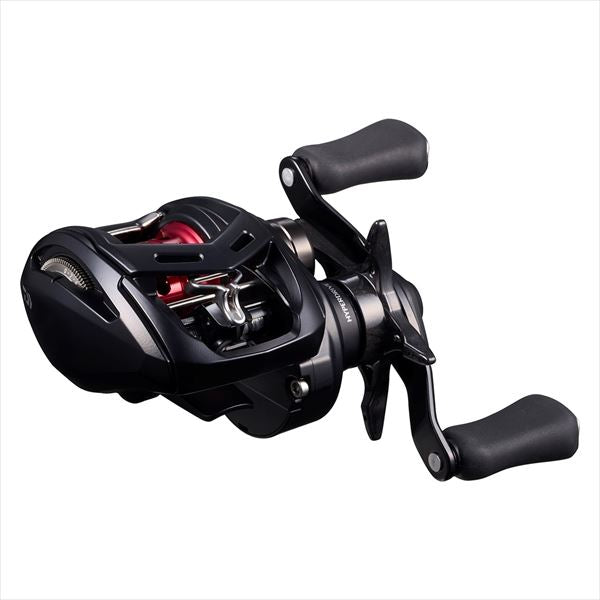
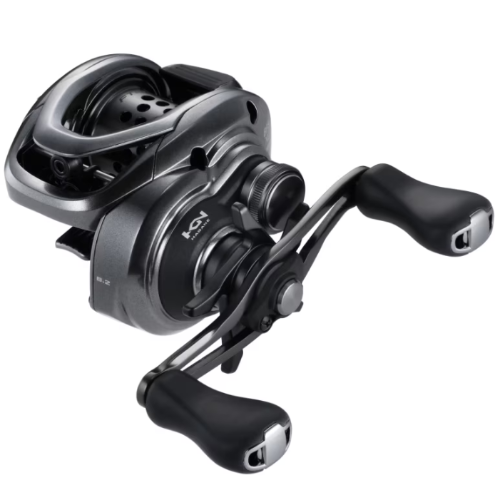
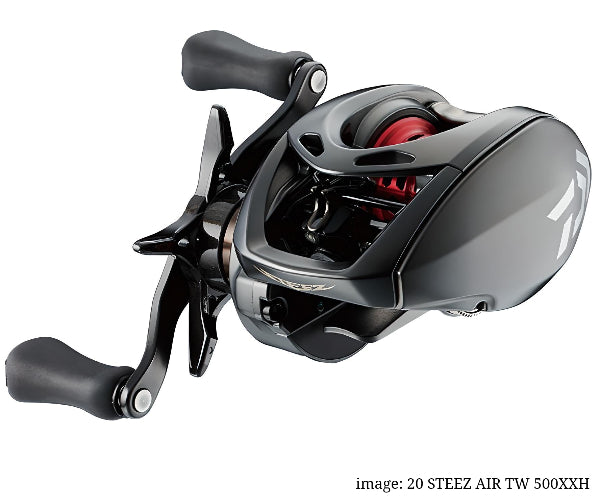
Top BFS (Bait Finesse System) Reels - A Complete Guide
Bait Finesse System (BFS) reels have transformed how anglers approach light lure fishing, particularly in freshwater and light saltwater applications. Originally developed in Japan, BFS is designed to cast ultra-light lures with a high degree of precision and control using a baitcasting platform.
Unlike traditional baitcasting reels, BFS systems rely on low-inertia spools and finely tuned braking systems to handle lightweight presentations that were once considered exclusive to spinning tackle. This makes them especially effective for targeting species such as bass and trout, as well as light saltwater species like horse mackerel and rockfish.
In recent years, BFS reels have gained significant popularity among anglers seeking greater control, accuracy, and versatility in finesse fishing scenarios.
The Japanese Domestic Market (JDM), where BFS technology originated and continues to evolve, offers some of the most refined and specialized reel options available today.
In this guide, we will explain what BFS reels are, break down their key technologies, show you how to choose the right model, and introduce some of the best JDM BFS reels trusted by anglers worldwide.

What is BFS?
Traditional baitcasting reels are generally optimized for medium to heavier lure weights, where spool inertia and braking systems are tuned for stability rather than extreme lightness.
In contrast, Bait Finesse System (BFS) reels are specifically engineered to handle lightweight lures that would typically be difficult to cast with conventional baitcasting setups.
At its core, BFS is a design approach that combines ultra-low inertia spools with highly refined braking systems, allowing anglers to cast small lures with precision and control using a baitcaster.
Depending on the model and setup, BFS reels can comfortably handle lures in the lightweight range—often from around 1–7 grams—opening up techniques that were traditionally dominated by spinning tackle.
This capability significantly expands the versatility of baitcasting gear. Anglers can present smaller, more natural-looking lures with improved accuracy, particularly in situations where subtle presentations are critical.
BFS reels are widely used in freshwater fishing for species such as bass and trout, but their applications extend into light saltwater fishing as well.
Techniques such as ajing (horse mackerel fishing) and mebaring (rockfish fishing) have further driven the evolution of BFS, especially within the Japanese Domestic Market, where finesse-oriented fishing styles are highly developed.
Key Features of BFS Reels
Several key characteristics distinguish BFS reels from standard baitcasting and spinning setups, particularly in how they handle lightweight lures.
-
Low-Inertia Spool Design: The defining feature of BFS reels is a low-inertia spool. Rather than focusing solely on spool diameter, BFS reels use ultra-lightweight spools—often in the 28mm to 32mm range—to reduce start-up inertia. This allows the spool to begin rotating with minimal force, making it possible to cast very light lures with control and accuracy.

-
Specialized Braking Systems:
BFS reels rely on highly refined braking systems to control spool rotation at low weights. Major manufacturers take different approaches:
- Shimano uses FTB (Finesse Tune Brake), a magnetic braking system that separates the brake unit from the spool to reduce spool weight while maintaining precise braking control.
- Daiwa employs magnetic braking systems such as AIR Brake and Magforce variants, tuned specifically for lightweight casting performance.
Each system is designed to stabilize spool rotation at extremely low inertia levels, which is critical for casting lightweight lures consistently.
-
Line Capacity and Compatibility: BFS reels are optimized for lighter line classes, typically in the range of 4–8 lb for fluorocarbon. Many modern BFS setups also support thin PE braided lines, especially in light saltwater applications such as ajing and mebaring. Shallow spool designs help reduce unnecessary line weight and improve casting efficiency.
It is important to note that nylon line is generally not recommended for BFS reels. Unlike fluorocarbon or PE lines, nylon has a higher water absorption rate and can expand when saturated. Because BFS reels use ultra-lightweight, thin-walled spools to reduce rotational inertia, this expansion can place additional stress on the spool under tension.
In extreme cases, excessive line swelling combined with tight line packing may affect spool integrity. While nylon line can technically be used in some situations, most anglers prefer fluorocarbon or PE lines for BFS applications due to their stability, lower water absorption, and more consistent performance.
-
High Gear Ratios: Most BFS reels feature relatively high gear ratios, commonly between 7.0 and 9.0. This allows for quick line pickup, which is particularly useful when managing slack line, setting hooks with small lures, or controlling fish during finesse presentations.
-
Lightweight and Compact: To maximize sensitivity and reduce fatigue, BFS reels are typically built with lightweight materials such as aluminum or magnesium. Compact body designs further enhance balance, especially when paired with light rods.
-
Saltwater Compatibility (Light Use): While BFS reels are primarily designed for freshwater applications, many JDM models are suitable for light saltwater use. Corrosion-resistant components and proper maintenance allow anglers to use BFS setups in environments such as ajing and light rockfish fishing. However, regular rinsing and care remain essential.

How to Choose a BFS Reel
When selecting a BFS reel, it is important to consider how each component aligns with your fishing style, target species, and preferred lure weight range.
-
Spool Design and Diameter: While spool diameter is often referenced, the more important factor in BFS performance is spool inertia. Most general-purpose BFS reels use spool diameters in the 28–30mm range, offering a balance between casting distance and control. For ultra-light applications around 1 gram, smaller and lighter spools (typically 28mm) can improve start-up response and casting precision.
-
Handle Design
Handle length affects both control and cranking leverage. Most BFS reels feature compact handles designed for quick, precise input rather than maximum power. Anglers should also consider left- or right-hand retrieve orientation based on their casting and retrieve preference.
-
Gear Ratio: High gear ratios (7.0 to 9.0) are common, allowing for faster line retrieval and improved hook-setting speed. Choose a gear ratio that suits your technique and rod action.
- Weight: Lighter reels improve casting feel and reduce fatigue during long sessions. Magnesium bodies are preferred for their strength-to-weight ratio.


