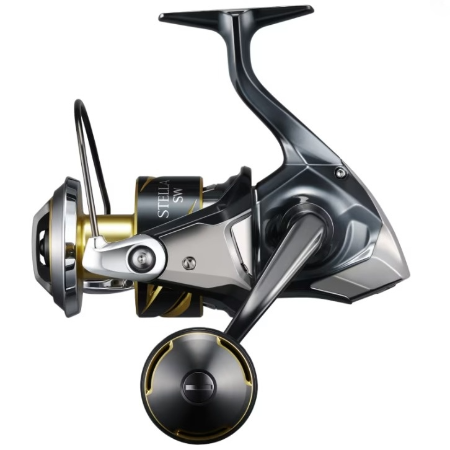
Magsealed vs X-Protect: A Technical Comparison of Reel Sealing Systems
Introduction
Saltwater fishing exposes reels to highly corrosive environments, including salt spray, humidity, and airborne particulates. Over time, these elements can accelerate internal wear and compromise mechanical integrity.
For anglers who demand reliability in demanding offshore and coastal conditions, effective water-resistant sealing systems play a critical role in maintaining long-term performance.
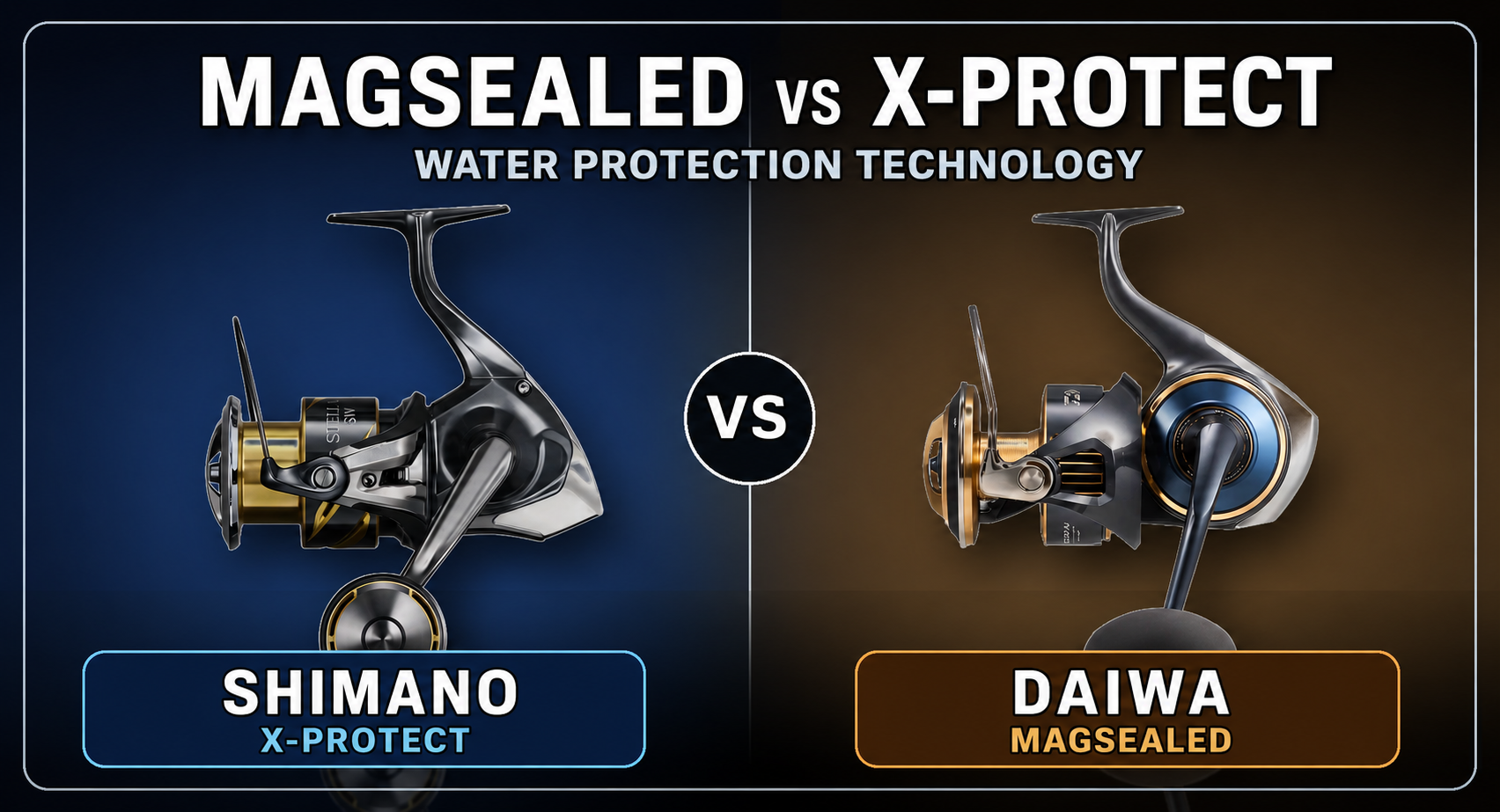
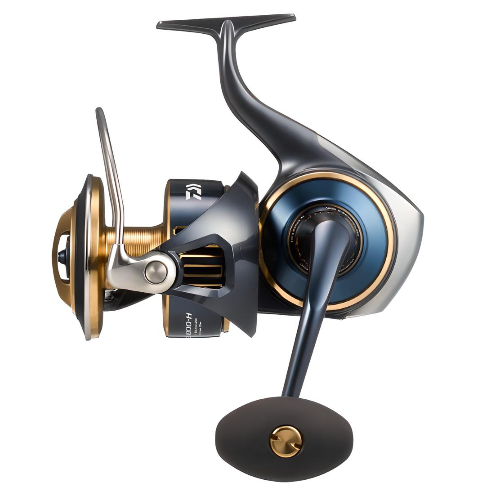
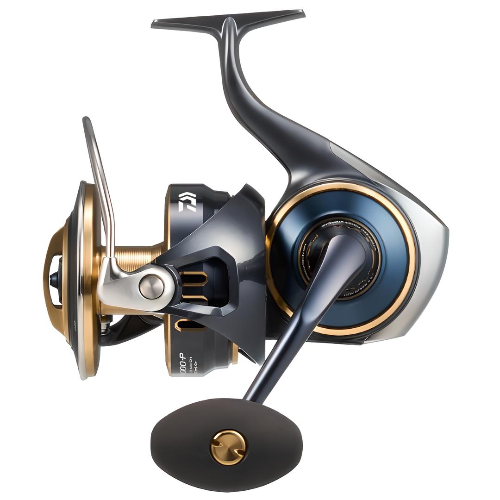
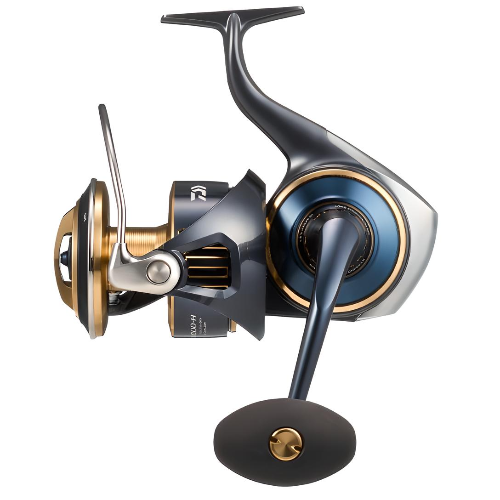
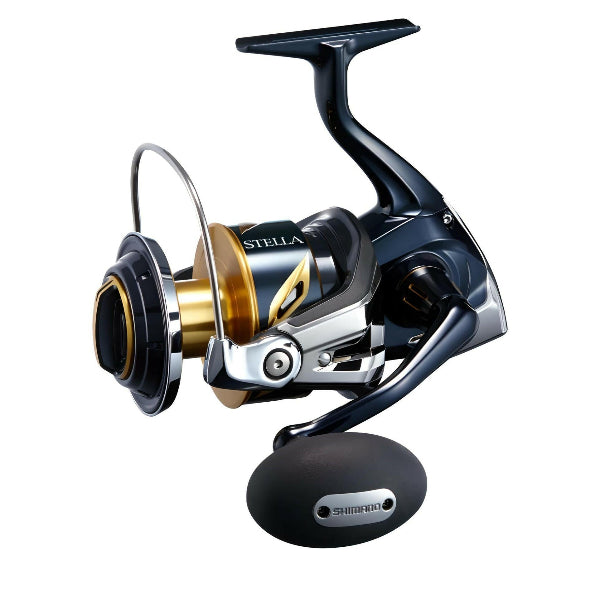
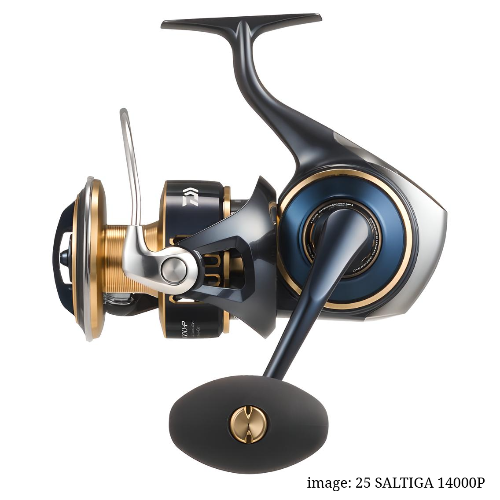
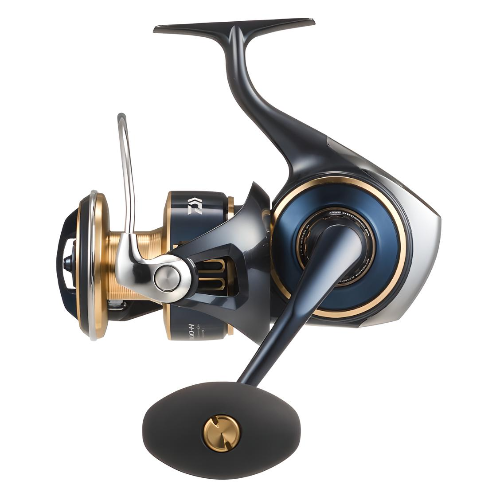
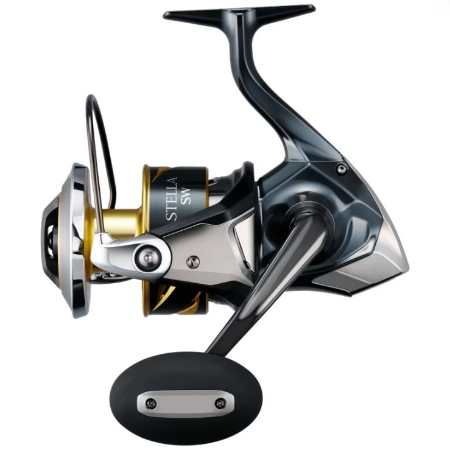
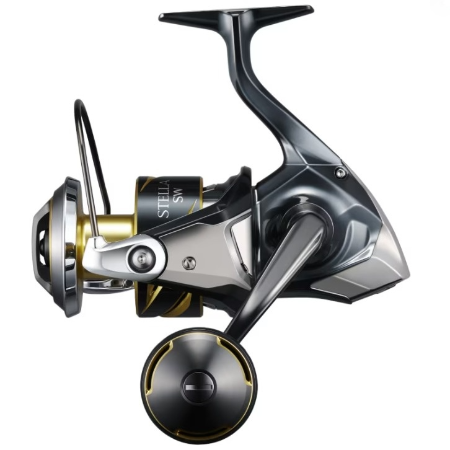
Japanese manufacturers Daiwa and Shimano have each developed proprietary approaches to saltwater protection. Daiwa’s Magsealed system utilizes magnetized ferrofluid to create a liquid-based seal around key entry points, while Shimano’s X-Protect employs a non-contact labyrinth structure combined with water-repellent design principles. Although both technologies aim to reduce water intrusion, they differ fundamentally in construction philosophy and maintenance considerations.
This article examines the structural concepts behind Magsealed and X-Protect, exploring how each system approaches saltwater resistance, serviceability, and long-term reliability. Rather than focusing on marketing claims, we analyze the engineering differences that define their real-world performance.

Understanding the Technologies: Magsealed vs X-Protect
Daiwa Magsealed: Magnetic Fluid Sealing System
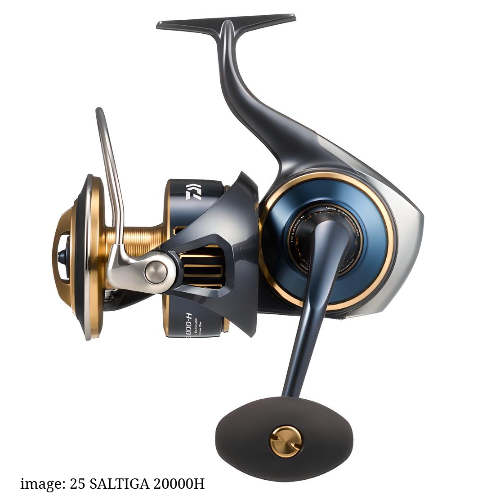
Daiwa’s Magsealed system uses a magnetically controlled ferrofluid to form a dynamic seal around critical entry points such as the main shaft and line roller. Rather than relying on traditional rubber gaskets, Magsealed holds a thin layer of magnetic oil in place using magnetic attraction.

This ferrofluid is a specialized liquid containing magnetic nanoparticles suspended in oil. When exposed to a magnetic field, it remains positioned precisely within small gaps, helping reduce the likelihood of water, salt spray, and dust entering internal components. Because the seal is maintained by magnetic force rather than mechanical compression, it minimizes rotational resistance compared to conventional contact-type seals.
Magsealed is designed primarily for salt spray and environmental exposure protection rather than full submersion. Its effectiveness depends on maintaining the integrity of the magnetic fluid layer, which is typically serviced by authorized technicians.
Shimano X-Protect: Labyrinth-Based Water Resistance
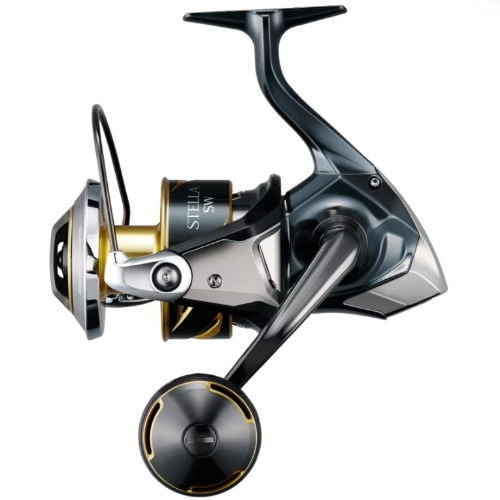
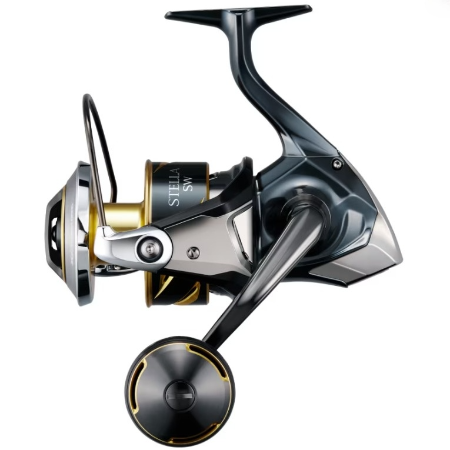
Shimano’s X-Protect technology employs a non-contact labyrinth structure to reduce water intrusion. Instead of using liquid seals or compression gaskets in rotation-critical areas, X-Protect creates a series of precisely engineered internal pathways that make it difficult for water to travel toward sensitive components.

By combining this labyrinth structure with water-repellent surface treatments, Shimano enhances resistance to salt spray while preserving smooth rotational performance. Because the system avoids liquid or contact-type seals in key rotating areas, it prioritizes low friction and long-term mechanical consistency.
X-Protect is commonly implemented in saltwater-capable Shimano spinning reels where smoothness and efficiency remain central design priorities.
Shimano X-Shield: Structural Sealing for Harsh Environments
In addition to X-Protect, Shimano employs X-Shield in certain offshore-oriented models. X-Shield uses physical sealing structures such as gaskets and precisely fitted body interfaces to increase resistance against direct wave splash and heavy water exposure.
While X-Protect focuses on maintaining smooth rotation with minimal resistance, X-Shield reinforces structural protection in areas subject to higher water pressure.

Lifespan and Long-Term Performance of Sealing Systems
Neither Magsealed nor X-Protect is designed to provide permanent waterproofing. Both systems are engineered primarily to resist salt spray, environmental moisture, and airborne contaminants rather than prolonged submersion.
In the case of Daiwa’s Magsealed, the effectiveness of the seal depends on the integrity of the magnetically controlled ferrofluid layer. Over extended use, especially in harsh saltwater environments, contamination or displacement of this magnetic fluid may reduce its sealing efficiency. Because Magsealed relies on precisely positioned ferrofluid, servicing typically requires factory-level maintenance to restore optimal performance.
Shimano’s X-Protect, by contrast, relies on structural labyrinth pathways combined with water-repellent design principles. Since it does not depend on a liquid sealing medium, its performance is tied primarily to the mechanical integrity of internal tolerances and surface treatments. Over time, heavy exposure to saltwater and improper maintenance may reduce overall water resistance, though the core labyrinth structure remains part of the reel’s physical design.
In practical terms, both systems are highly effective against splash and environmental exposure when properly maintained. However, neither is intended for repeated submersion, and long-term durability ultimately depends on usage patterns, cleaning habits, and periodic servicing.
Rather than viewing these technologies as permanent waterproof solutions, they are best understood as advanced water-resistance systems that require responsible care to maintain peak protection.
Maintenance Considerations: Service Philosophy and Accessibility
One of the practical differences between Magsealed and X-Protect lies in their servicing approach and maintenance philosophy.
Daiwa Magsealed: Authorized Service-Oriented Design
Magsealed systems rely on precisely positioned ferrofluid maintained by magnetic force. Because this magnetic oil must be applied under controlled conditions, servicing typically requires an authorized Daiwa service center. The ferrofluid used in Magsealed systems is not generally available to consumers, and improper disassembly of sealed areas may compromise the integrity of the magnetic barrier.
As a result, maintenance of Magsealed components is often manufacturer-supported rather than user-performed. Routine external cleaning remains straightforward, but internal seal restoration is designed to be handled professionally.
Shimano X-Protect: Structure-Based Water Resistance
Shimano’s X-Protect system does not depend on liquid sealing media. Instead, it relies on labyrinth structures and water-resistant design principles. In many Shimano spinning reels, commonly serviced areas such as line rollers and accessible bearings can be cleaned and re-lubricated by users following standard maintenance practices.
Because X-Protect is structurally integrated rather than fluid-dependent, basic maintenance such as salt removal, cleaning, and re-greasing does not typically require restoration of a specialized sealing medium. However, as with any saltwater reel, professional servicing may still be recommended periodically to ensure optimal long-term performance.
Comparison Table: Daiwa Magsealed vs Shimano X-Protect
| Feature |
Daiwa Magsealed |
Shimano X-Protect |
| Sealing Mechanism |
Magnetically controlled ferrofluid forming a dynamic liquid seal at key entry points |
Non-contact labyrinth structure combined with water-resistant design principles |
| Water Resistance Design |
Designed to resist salt spray and environmental moisture; not intended for full submersion |
Engineered to reduce water intrusion through structural pathways; not intended for full submersion |
| Dust Resistance |
Helps reduce dust and fine particle entry through magnetic fluid barrier |
Labyrinth structure also helps limit entry of dust and debris |
| Impact on Rotation |
Non-compression liquid seal minimizes mechanical contact and rotational resistance |
Non-contact structural design prioritizes smooth rotation without fluid-based sealing |
| Long-Term Performance |
Seal effectiveness depends on maintaining ferrofluid integrity; servicing typically handled by authorized centers |
Performance depends on structural tolerances and surface treatments; durability influenced by usage and maintenance |
| User Maintenance |
Internal seal areas generally serviced by authorized technicians; routine external cleaning user-accessible |
Many externally accessible components can be cleaned and re-lubricated by users following standard maintenance practices |
| Professional Servicing |
Recommended for restoration of magnetic fluid in sealed areas |
Periodic professional servicing recommended for long-term saltwater use |
| Service Accessibility |
Magsealed areas require controlled servicing conditions |
Structure-based system does not rely on liquid seal replenishment |
| Recommended Use |
Saltwater environments with frequent spray exposure and need for sealed shaft protection |
Saltwater environments where smooth rotation and structural water resistance are prioritized |
Line Roller Specific Comparison
The line roller is one of the most exposed components on a spinning reel, making it particularly vulnerable to salt spray, fine debris, and corrosion over time. Because it rotates constantly under load, even minor contamination can affect smoothness and long-term durability. Both Daiwa and Shimano incorporate protective measures in this area, but their engineering approaches differ.
Daiwa Magsealed Line Roller:
In Magsealed-equipped models, Daiwa applies magnetically controlled ferrofluid around designated entry points in the line roller assembly. This magnetic oil forms a dynamic liquid barrier that helps reduce the likelihood of water and contaminants reaching internal components. Unlike traditional rubber gaskets, the system relies on magnetic force to maintain the fluid’s position within precise gaps.

Magsealed protection is primarily designed to resist salt spray and environmental exposure rather than full submersion. As with any saltwater-exposed component, effectiveness depends on proper rinsing and maintenance habits. Because restoration of the magnetic fluid layer requires controlled application, servicing of Magsealed areas is typically handled by authorized technicians.
Some anglers choose to modify or remove Magsealed components to simplify self-maintenance, but such modifications may alter the reel’s original sealing performance and can affect manufacturer warranty coverage.
Shimano X-Protect Line Roller:
Shimano’s X-Protect system protects the line roller through a non-contact labyrinth structure combined with water-resistant surface treatments. Rather than relying on liquid sealing media, this design increases the complexity of the entry path, making it more difficult for water to reach internal bearings.

In many Shimano spinning reel models, the line roller assembly can be disassembled for cleaning and lubrication using standard maintenance procedures. This allows anglers to remove salt deposits and debris as part of routine care.
In practical use, regular rinsing and periodic lubrication are essential regardless of sealing technology. Neither Magsealed nor X-Protect eliminates the need for responsible maintenance when fishing in saltwater environments.
Practical Recommendations for Saltwater Anglers
Choosing between Daiwa’s Magsealed and Shimano’s X-Protect systems ultimately depends on your fishing style, maintenance preferences, and servicing expectations.
-
Anglers who value a fluid-based sealing system at key entry points and are comfortable with manufacturer-supported servicing may find Magsealed-equipped reels appealing. The effectiveness of the magnetic fluid seal depends on maintaining its proper condition, and restoration typically requires authorized service.
-
Those who prefer to perform routine cleaning and lubrication themselves may appreciate Shimano’s X-Protect design. In many models, accessible components such as line rollers can be maintained using standard procedures, allowing anglers to address salt buildup as part of regular care.
-
Regardless of sealing technology, both systems are engineered to resist salt spray and environmental exposure—not full submersion. Rinsing reels with fresh water after each saltwater outing and performing periodic maintenance remain essential practices.
-
In environments with fine sand or heavy airborne debris, careful cleaning is especially important. While Magsealed employs a liquid barrier at specific entry points, and X-Protect relies on structural pathways to limit intrusion, neither system eliminates the need for preventive maintenance.
-
Long-term durability depends less on the specific sealing philosophy and more on responsible use, cleaning habits, and periodic servicing—whether performed by the user or through authorized technicians.
Ultimately, both Magsealed and X-Protect represent advanced water-resistance approaches. The best choice is not determined solely by technology, but by how well the reel aligns with your maintenance style and fishing conditions.
Conclusion
Daiwa’s Magsealed and Shimano’s X-Protect represent two distinct engineering philosophies in saltwater reel protection.
Magsealed utilizes magnetically controlled ferrofluid to create a dynamic liquid barrier at critical entry points. This approach emphasizes sealed shaft areas and resistance to environmental exposure, with servicing typically performed through authorized technicians.
X-Protect, by contrast, relies on a non-contact labyrinth structure combined with water-resistant design principles. Its structure-based system prioritizes smooth rotational performance while allowing routine maintenance of accessible components in many models.
Neither system is designed for full submersion, and both are engineered primarily to resist salt spray, moisture, and airborne contaminants. Long-term performance depends heavily on usage conditions, rinsing habits, and periodic servicing rather than on sealing technology alone.
For saltwater anglers, the choice between Magsealed and X-Protect is less about absolute superiority and more about alignment with maintenance preferences. Anglers comfortable with manufacturer-supported servicing may appreciate Magsealed’s fluid-based sealing approach, while those who prefer hands-on maintenance may favor the structural accessibility of X-Protect.
Ultimately, consistent freshwater rinsing, careful cleaning, and responsible servicing remain the most important factors in preserving any saltwater reel’s durability and performance.