Daiwa vs Shimano Reels: Which is Better? A Thorough Comparison
When buying a Japanese fishing reel, the biggest dilemma is probably "Should I choose Daiwa or Shimano?"
We often hear opinions like "Shimano is better for reels" or "Daiwa is more cutting-edge," but specific functions and performance are rarely mentioned. I think many people talk based on vague impressions or outdated information.
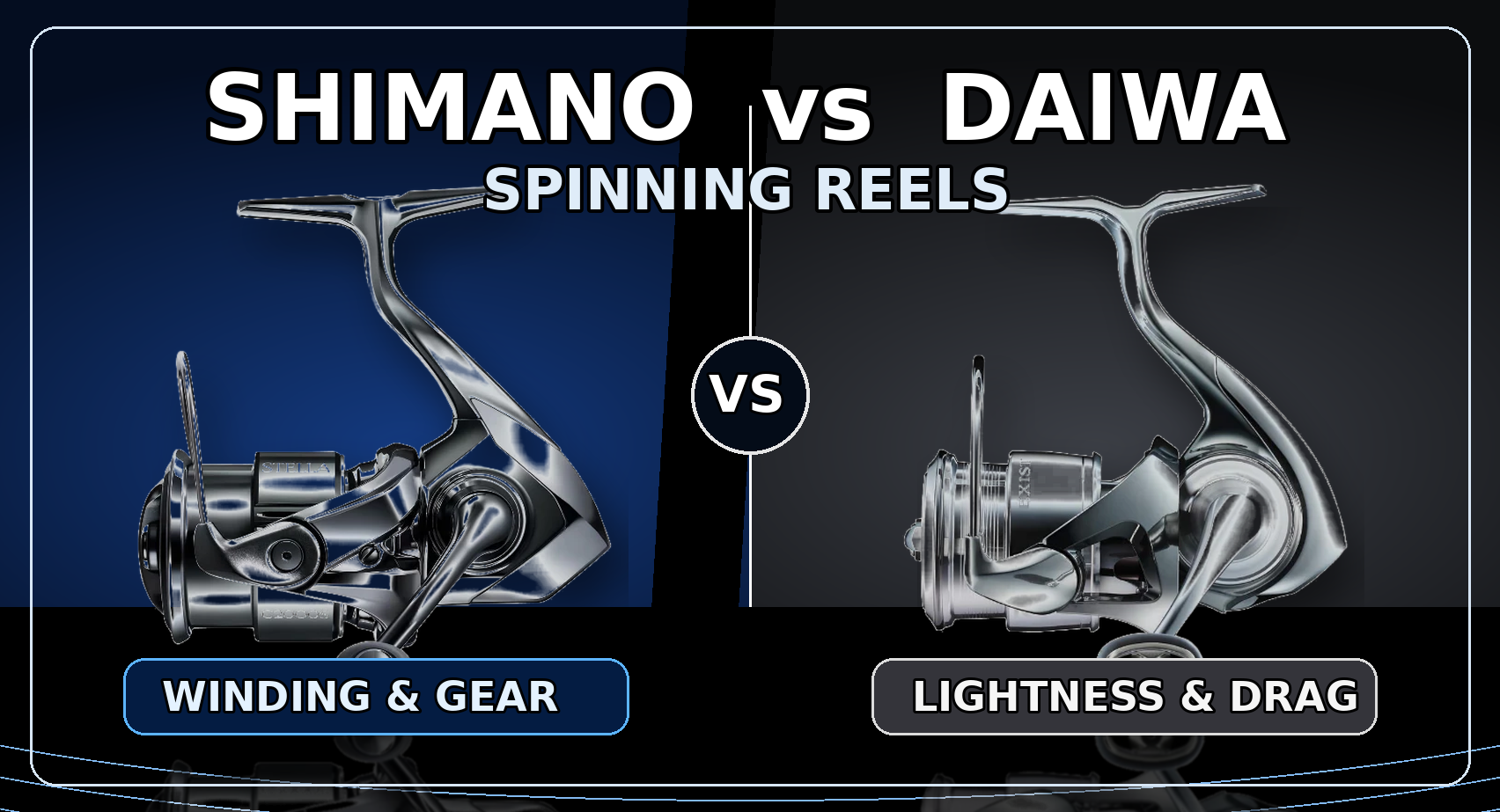
Therefore, I would like to compare the features of Daiwa and Shimano spinning reels based on facts as much as possible and give them a score.
"Lightweight" Goes to Daiwa
| Daiwa | Shimano | |
|---|---|---|
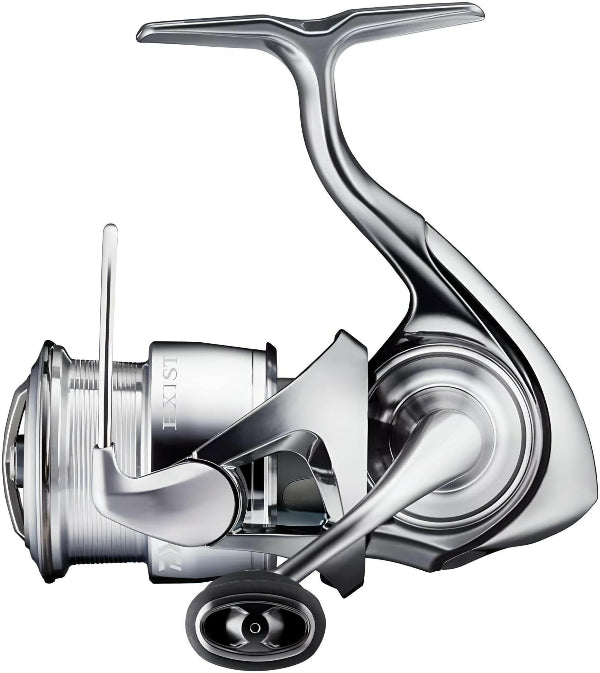
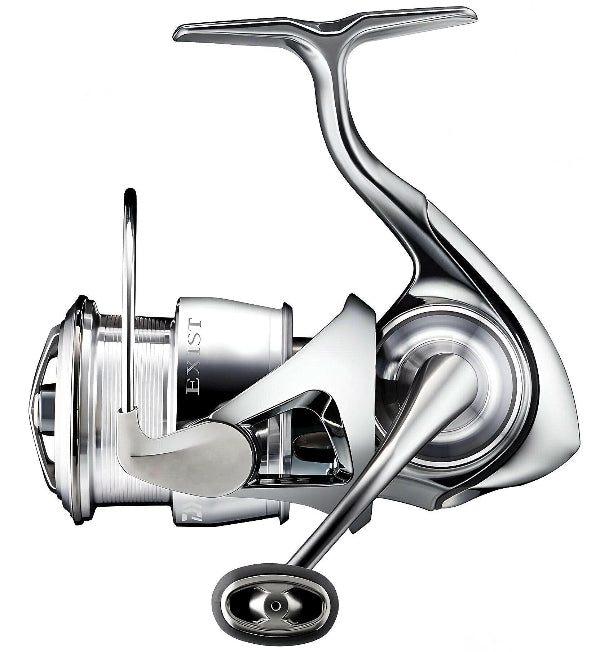
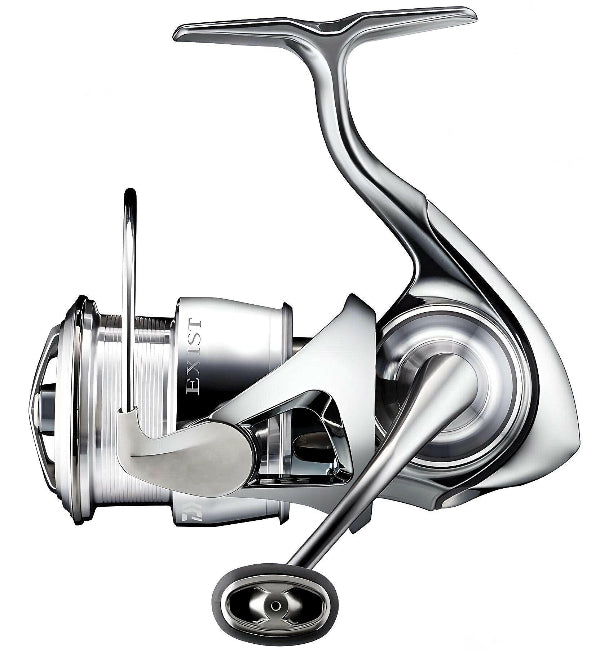
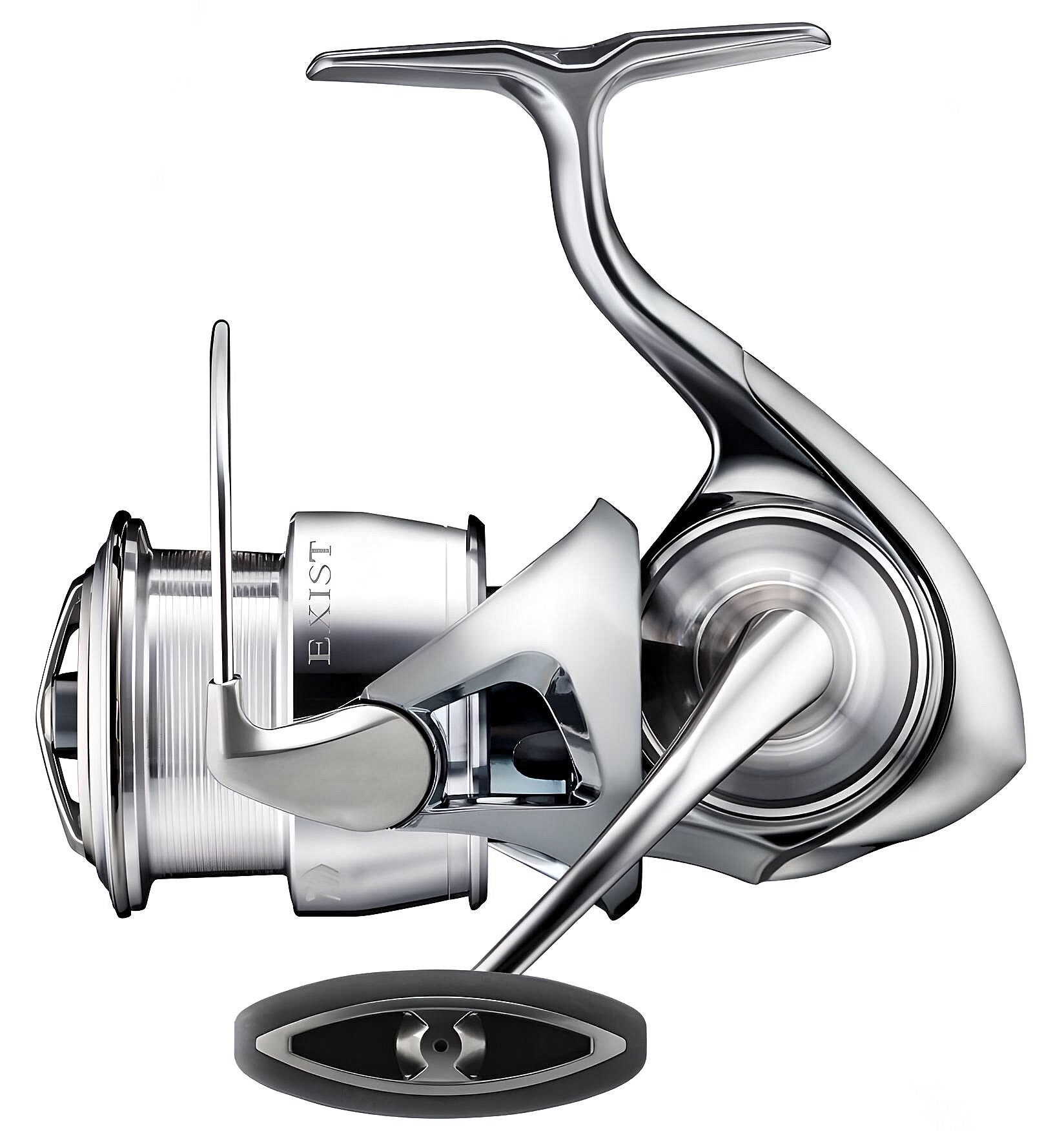
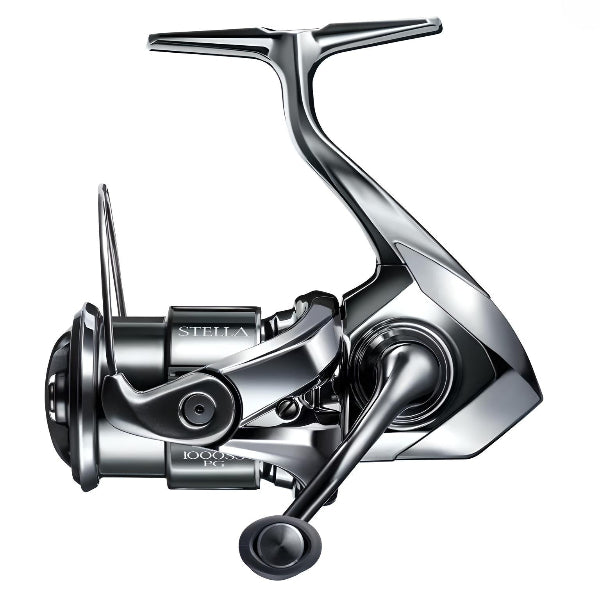
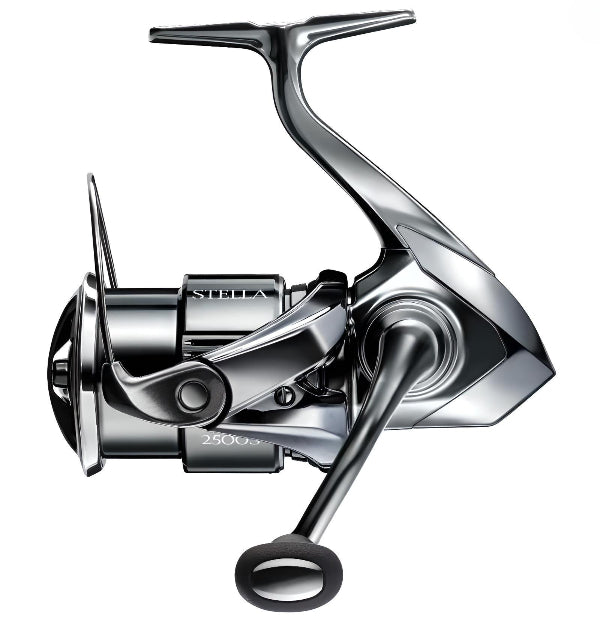
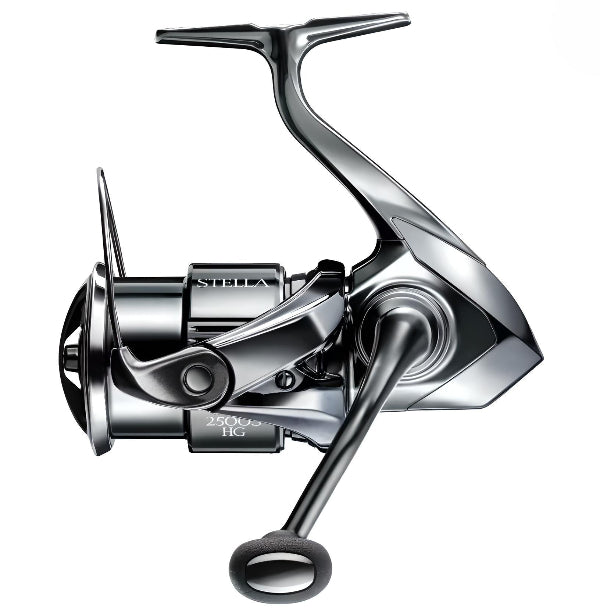
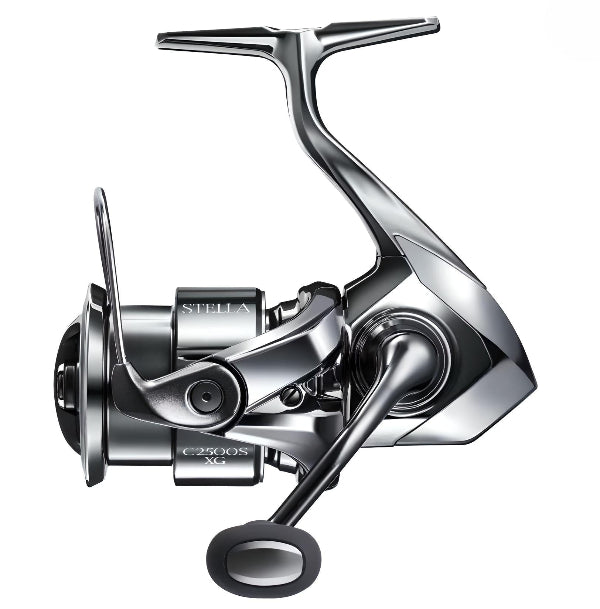
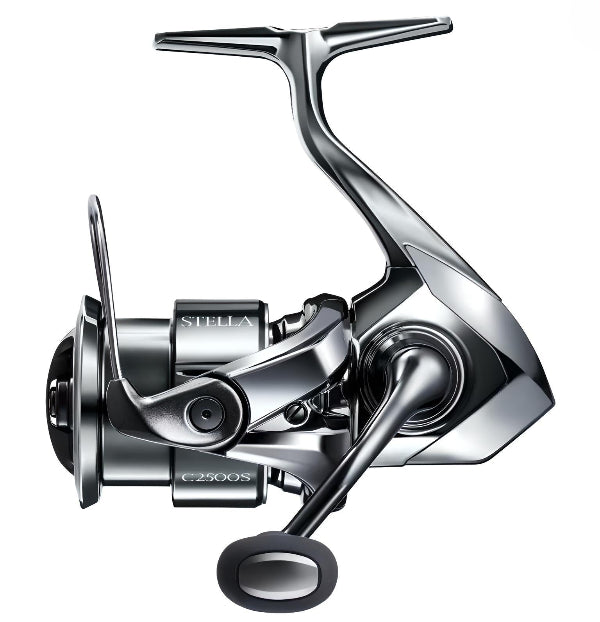
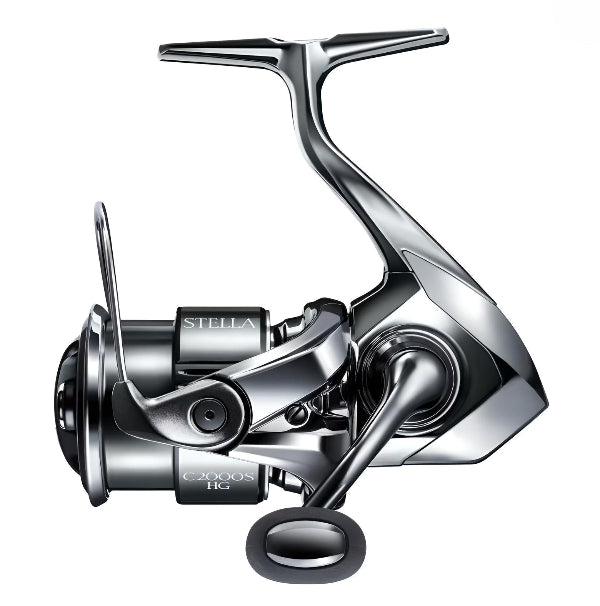
| Flagship | 22 Exist 160g | 22 Stella 205g |
| Aluminum Body | 24 Certate 175g | 24 Twin Power 210g |
| Lightweight | 23 Airity 150g | 23 Vanquish 165g |
| Mid-Range Lightweight | 23 Legalis 190g | 22 Miravel 205g |
The table above compares the weight of each 2500 size (2500S). Daiwa's spool diameter is slightly smaller, so it's not a perfect comparison, but the Exist is 180g even in the 3000S size, showing a strong emphasis on being lightweight.
Basically, lighter weight means higher sensitivity. Skilled anglers can feel the sensation of the lure swimming, and even changes in water pressure when a fish chases it. For those seeking such delicate sensitivity, we recommend Daiwa, which has a rich lineup of lightweight reels.

"Drag system" Goes to Daiwa
Daiwa equips the ATD (Automatic Tournament Drag) from the Crest model (one of most affordable) and up, so even low-priced models have a smoothly tracking drag.
For Shimano, reels with Rigid Support Drag start from the Twin Power and up; other reels tend to have a sudden release once the drag starts slipping. Compared to Daiwa, the maximum drag force is also generally lower.
| Daiwa | Shimano | |
|---|---|---|
| Flagship | 22 Exist 5kg | 22 Stella 4kg |
| Aluminum Body | 24 Certate 10kg | 24 Twin Power 4kg |
| Lightweight | 23 Airity 5kg | 23 Vanquish 4kg |
| Mid-Range Lightweight | 23 Legalis 5kg | 22 Miravel 4kg |
Maximum drag force for 2500 or 2500S size

"Winding Feel" Goes to Shimano
Shimano's waterproof technologies, X Protect and Core Protect, are non-contact waterproof mechanisms. In contrast, Daiwa's MAGSEALED has physical resistance because the magnetic oil is in contact. Therefore, it is often said that Shimano has a better winding feel.
This is also a matter of personal preference, so if you are curious, please try winding them at a tackle shop to see for yourself.

"Waterproofing Cost-Performance" Goes to Shimano
Shimano's body waterproofing starts from the NASCI, allowing you to purchase a waterproof reel at a low price. Also, regarding line roller waterproofing, Daiwa only adopts it in its top 3 models, while Shimano adopts it in 6 models from the ULTEGRA and up.
For reels used in environments where they are splashed with water, such as on boats, Shimano is a better choice for cost-performance in waterproofing.

"Super Slow Oscillation" Goes to Shimano
Shimano's high-end reels are equipped with a super slow oscillation mechanism (Infinity Loop), but there are no Daiwa reels equipped with a slow oscillation mechanism. Super Slow Oscillation ensures the line is wound more tightly. This means the line travels back and forth on the spool less often during release, reducing friction and resulting in longer casting distances.
Therefore, those who want to use slow oscillation or cast longer distance will choose Shimano.

"Water and Dust Resistance" Goes to Daiwa
As mentioned earlier, Daiwa's MAGSEALED is a contact-type waterproof mechanism where the gap is sealed with oil, minimizing the intrusion of water and dust.
Another reason for its high waterproof performance is the Monocoque Body. The Monocoque body has a structure where the body cover acts as both a screw and a cover, like a plastic bottle cap, making it possible to minimize water entering through gaps in the body.

"Line Stopper" Goes to Daiwa
Daiwa adopted the Perfect Line Stopper around 2018. It can easily hold the line just by pinching it from above, which is vastly more convenient than the conventional line stopper where you pass the line from below.
Shimano's line stoppers are known for being slightly less likely to snag the line. However, this is irrelevant to actual fishing, so you probably don't need to consider it too much.

"Gear" Goes to Shimano
Shimano equips Extra Super Duralumin drive gears (HAGANE Gear) from the low price range starting with the SEDONA. Daiwa only equips them in high-end models from the CERTATE and up, and most others are zinc gears.
Extra Super Duralumin gears are superior to zinc gears in terms of hardness and lightweight properties.
The dedication to gears is exactly what you would expect from Shimano, whose main business involves gears. When it comes to the gear itself, Shimano definitely has a stronger commitment to quality.

Conclusion
We have compared 8 points above. Of course, performance varies depending on the model, but I hope even beginners have understood the characteristics of Daiwa and Shimano.
It cannot be said that one is comprehensively superior to the other. The optimal reel differs depending on the type of fishing, purpose, and environment.
Finding a reel that suits you is a difficult task, but I hope this article will be somewhat helpful in your reel selection.