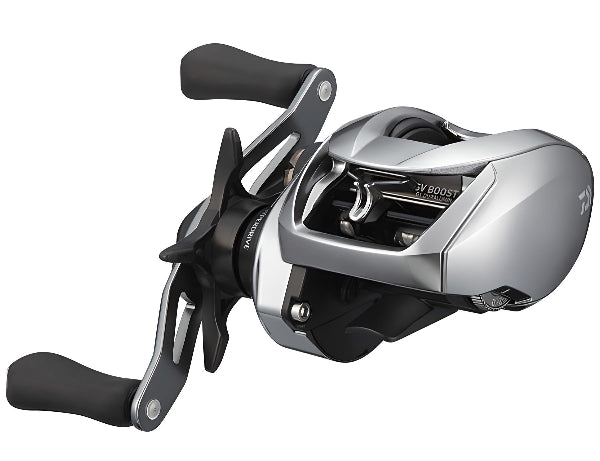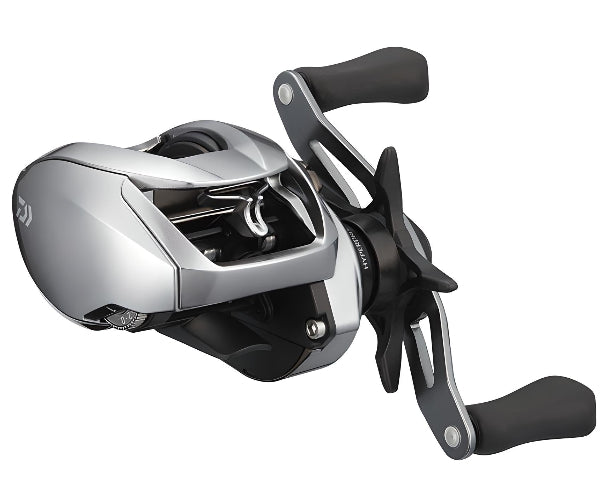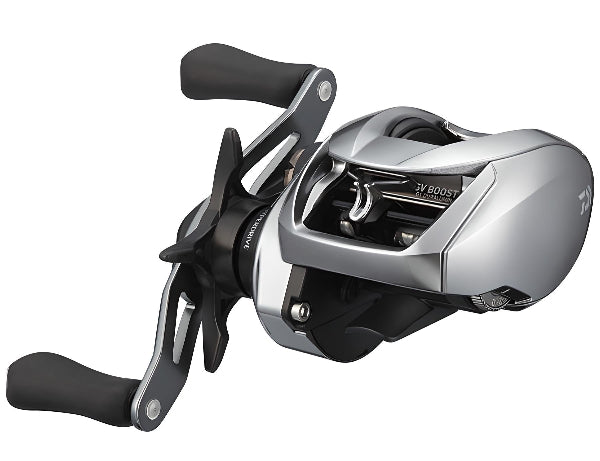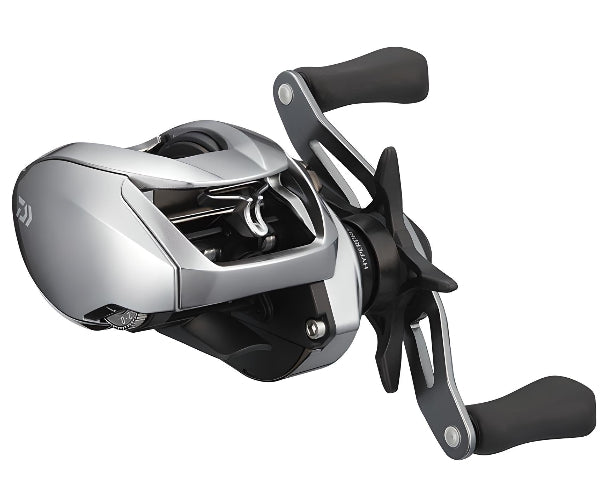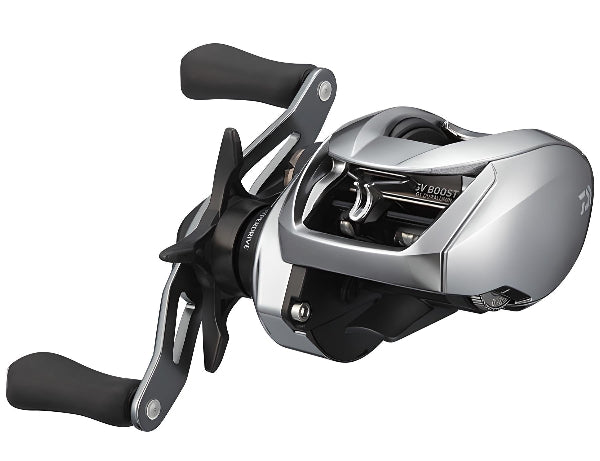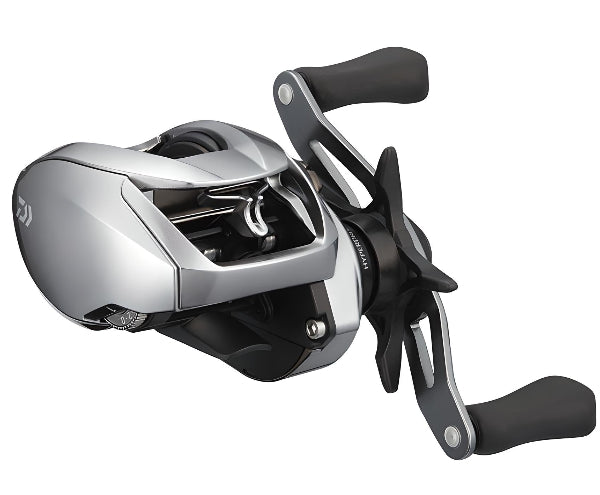
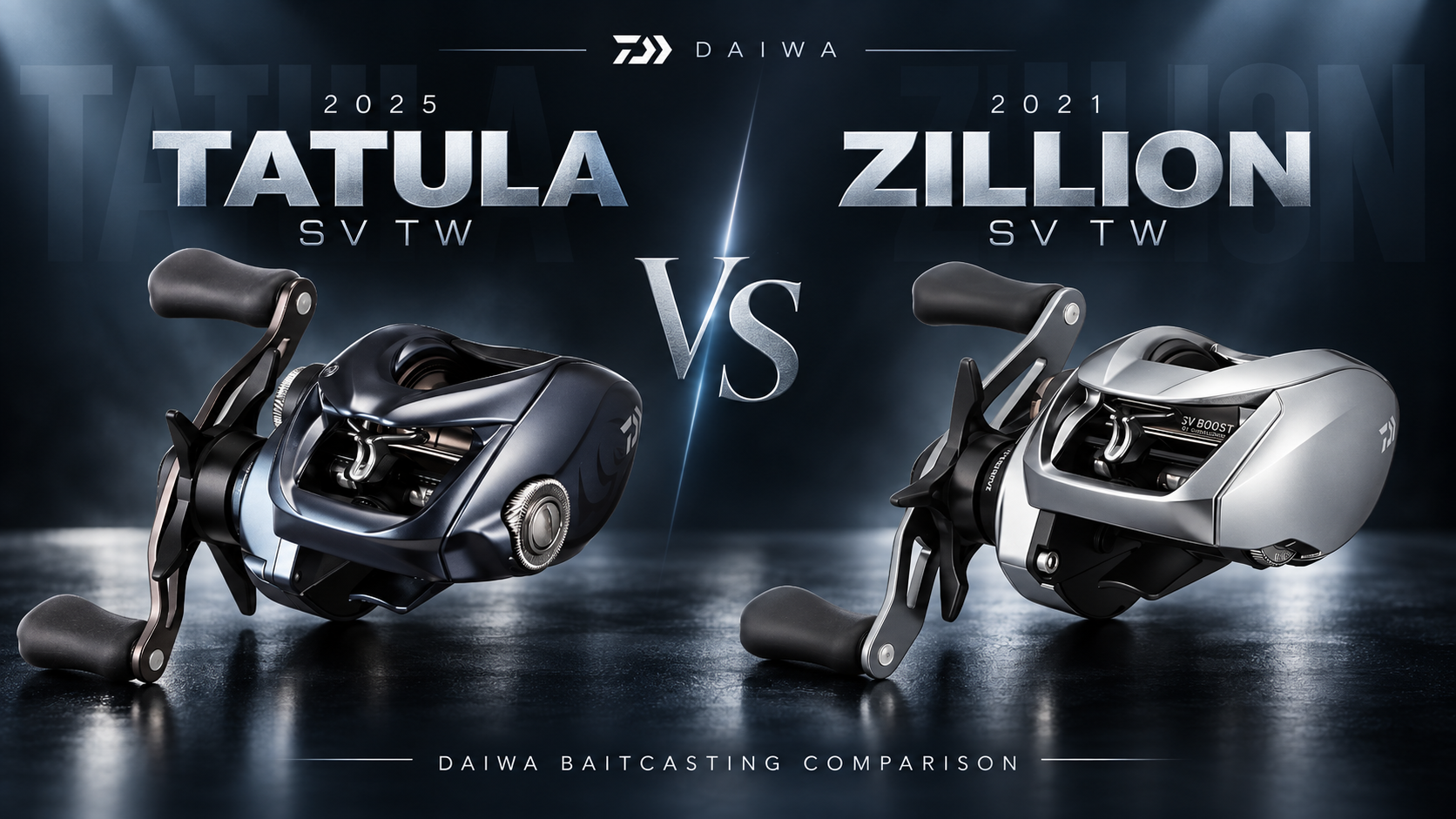
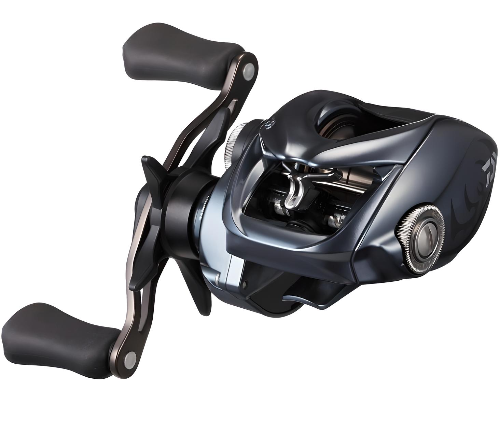
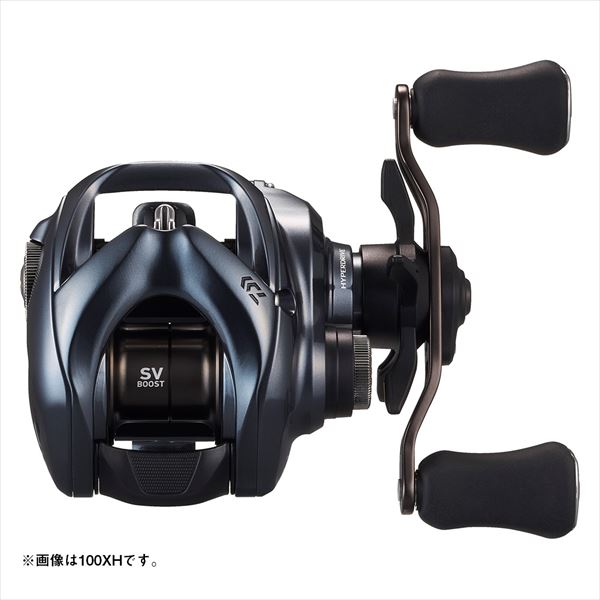
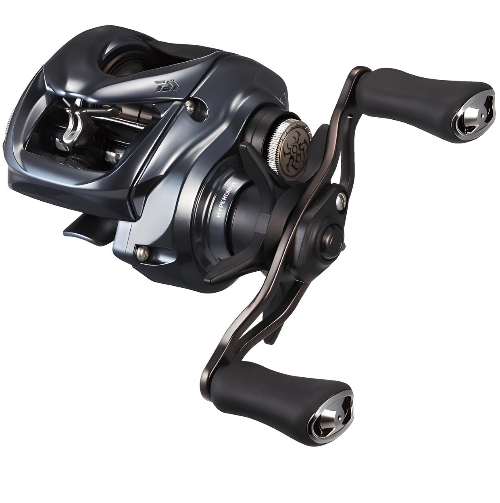
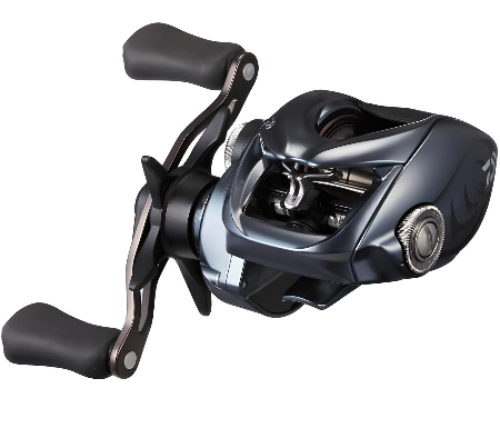
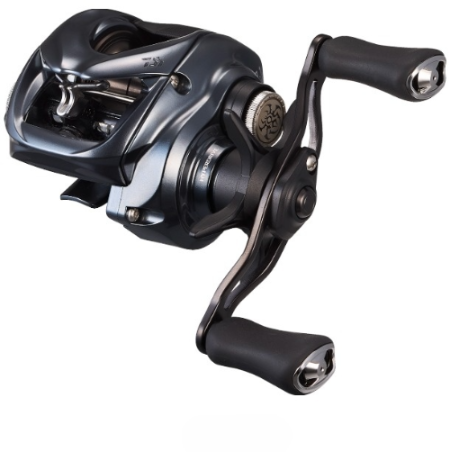
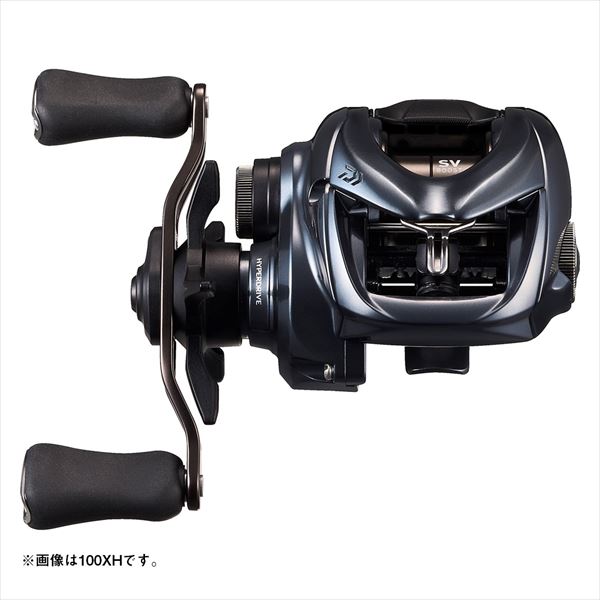
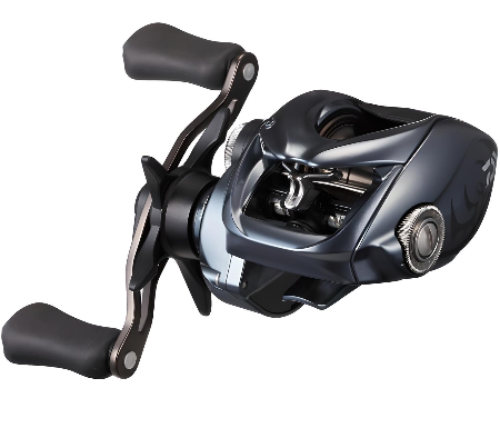
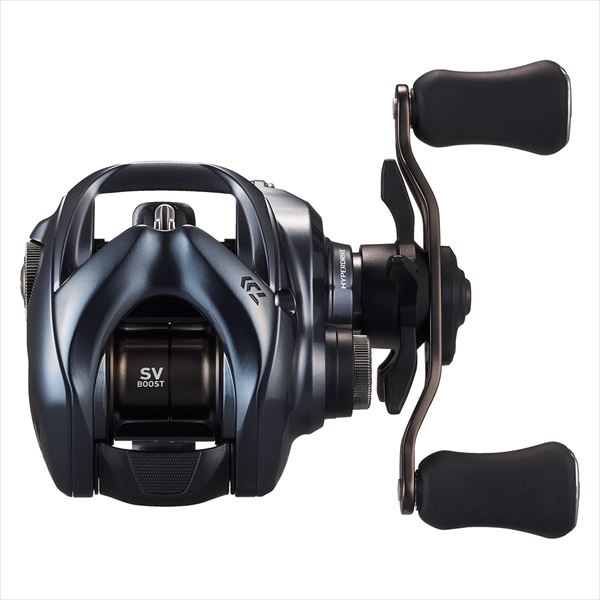
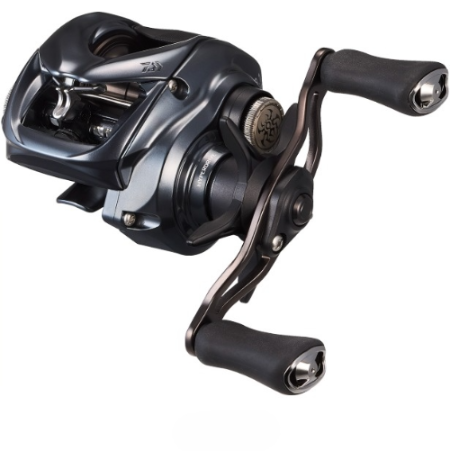
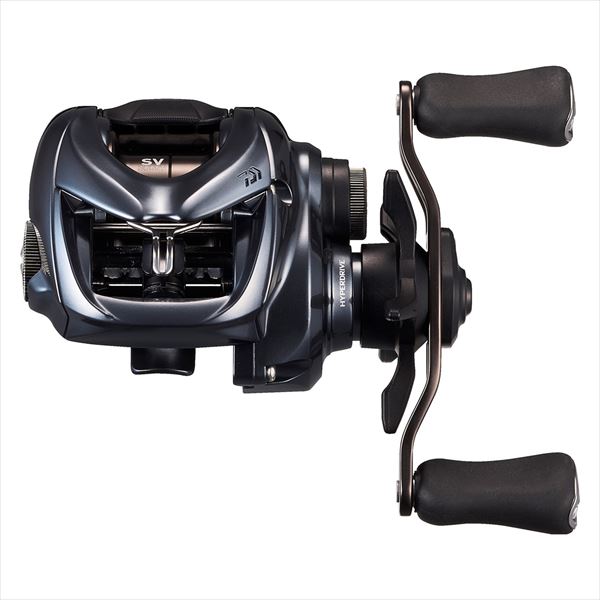
The 2025 Daiwa Tatula SV TW 100 and 2021 Zillion SV TW 1000 now share the two features that define modern Daiwa versatility: SV BOOST braking and a T-Wing levelwind. The real step up is therefore not a completely different braking concept. It is a change in spool size, weight, gearing, bearing count, and the way each platform carries momentum.

Daiwa 2025 Tatula SV TW 100H.

Daiwa 2021 Zillion SV TW 1000H.
The Shared Starting Point
Both reels use an aluminum frame, SV BOOST magnetic braking, the T-Wing System, and Daiwa's Hyperdrive Design architecture. That common foundation explains why the Tatula no longer feels like a basic alternative. It offers the same broad idea of easy brake control early in the cast and freer rotation later, with a compact spool intended for versatile bass tackle.
Tatula: Compact Spool and Brass-Gear Character
The Tatula uses a 32 mm spool and carries less line than the Zillion. Its high-strength brass main gear and 195 g listed weight give it a substantial, direct feel despite the smaller spool. The 85 mm handle keeps the package compact. This configuration makes sense for anglers building an adaptable setup around lighter-to-middleweight presentations, close targets, skipping, and controlled casts where excess line capacity is unnecessary.
Zillion: Lower Weight, Larger Spool, More Retrieve
The Zillion is 20 g lighter in the matched high-speed comparison, yet it uses a 34 mm G1 duralumin spool and a 90 mm handle. Its larger spool retrieves slightly more line per turn and carries heavier nylon. The extra ball bearing and G1 duralumin main gear are refinement differences rather than proof of universally greater casting distance. In practice, the Zillion platform better fits anglers who want broader line capacity, a longer handle, and a lighter reel body without leaving the SV BOOST system.
What the Spool Difference Changes
A smaller-diameter spool generally changes how quickly the spool accelerates and how line is stored, while a larger-diameter spool changes line pickup and capacity. Brake setting, line diameter, fill level, rod loading, and lure aerodynamics still matter. The published specifications support a platform distinction, but they do not establish one reel as automatically longer-casting with every lure.