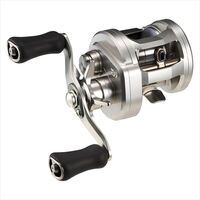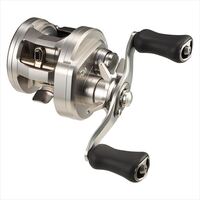

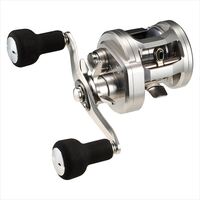
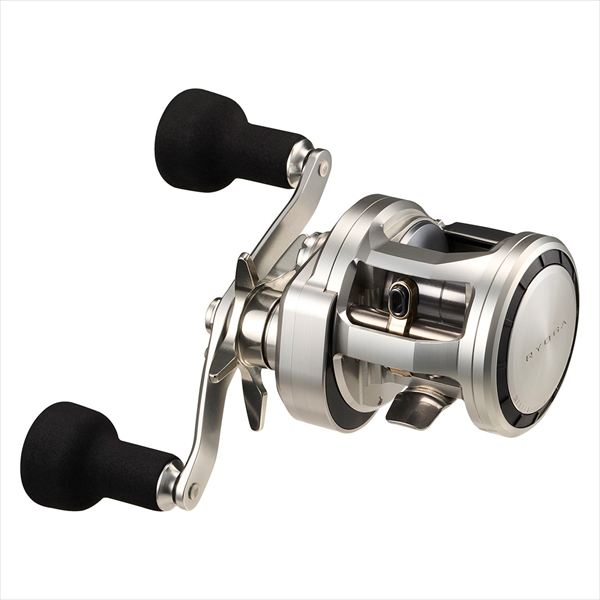
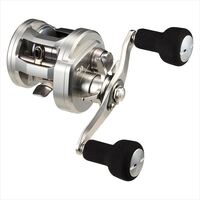
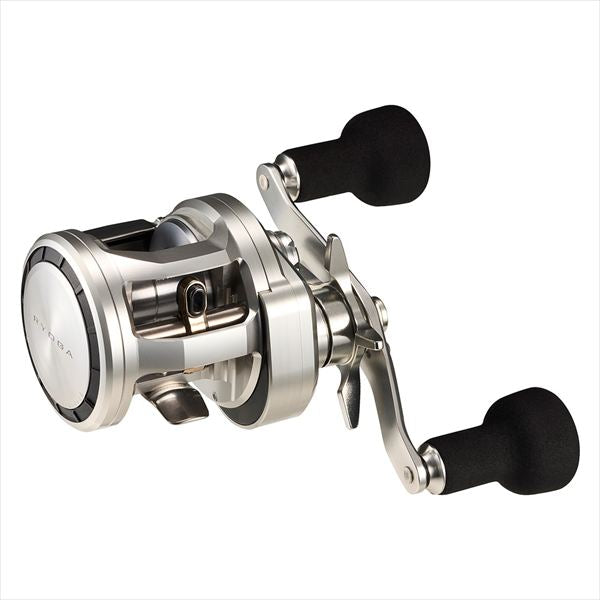
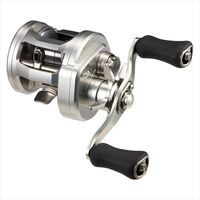
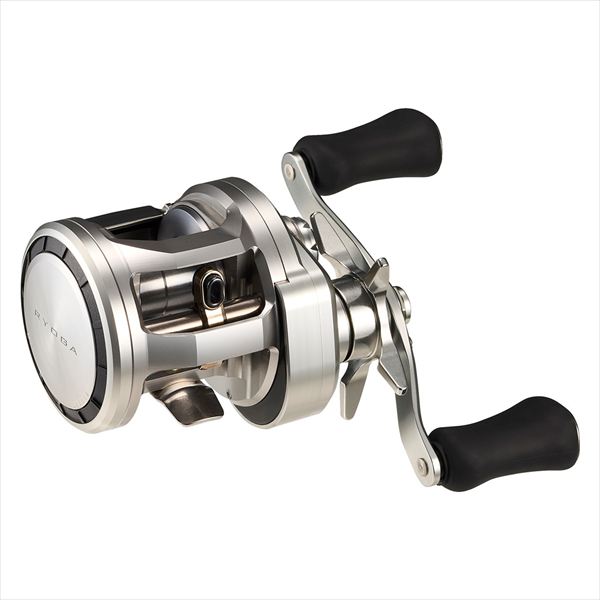
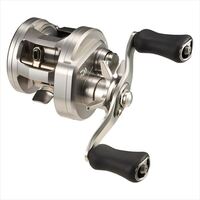
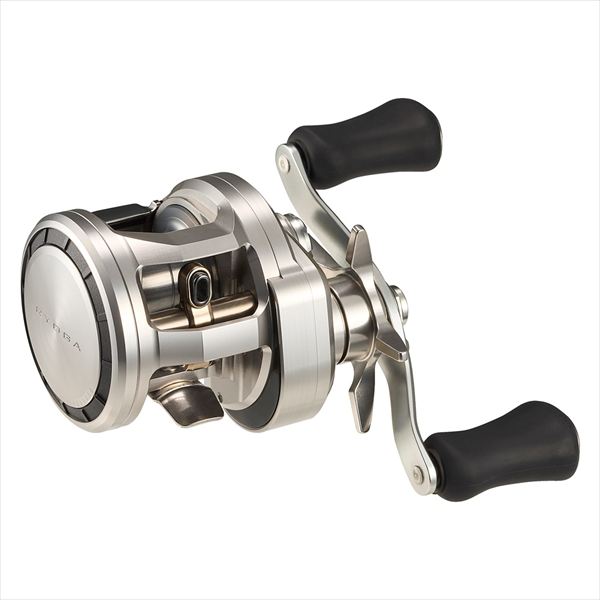
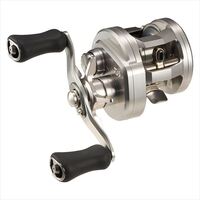
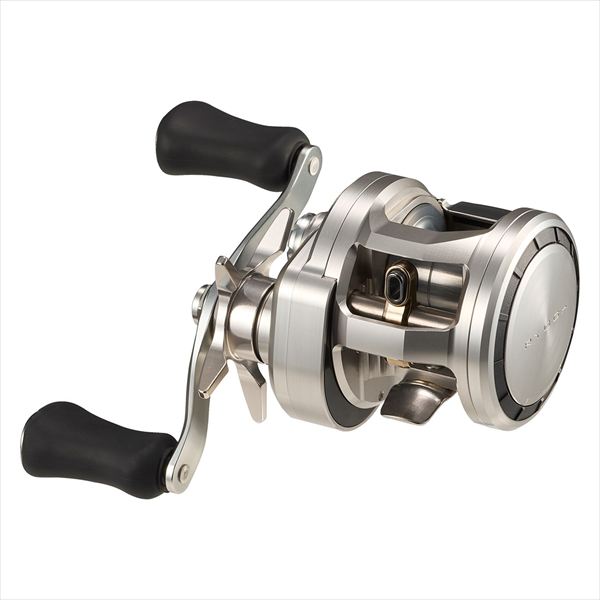
The 2026 Daiwa Ryoga is a complete update of the company's round-profile baitcasting reel. Although its machined circular body remains the most recognizable part of the design, the important changes are inside the drive train and in the casting systems assigned to the 100 and 150 sizes.
The two sizes are not simply different-capacity versions of the same reel. Daiwa gives each one a distinct spool and braking concept: the compact SV100 is intended for controlled casting across a broad lure range, while the 150 is configured for carrying heavier line and casting medium-to-heavy lures over longer distances.
A New Drive System Inside a Familiar Round Body
The previous-generation Ryoga used Daiwa's Hyper Mesh Gear. The 2026 model changes to Hyperdrive Digigear, a gear design that increases the tooth engagement rate without reducing the size of the teeth. Daiwa describes the objective as maintaining smooth rotation while improving durability under accumulated load.

Hyper Mesh Gear and 2026 Hyperdrive Digigear comparison. Official technical image supplied by Daiwa.
The gear operates within a machined, full-metal Hyper Armed Housing. Aluminum alloy is used for the frame, gear-side plate, and dial-side set plate. This rigid structure is designed to keep the drivetrain aligned when resistance rises, such as while retrieving deep-diving crankbaits or fighting a fish.

Machined high-precision, high-rigidity housing. Official technical image supplied by Daiwa.
Hyper Double Support adds bearings at both ends of the pinion gear. Supporting the pinion from both sides limits movement under load and helps transmit handle input through the drivetrain. The reel also includes Daiwa's Hyper Tough Clutch, which uses an insulated structure intended to reduce salt-related clutch seizure.

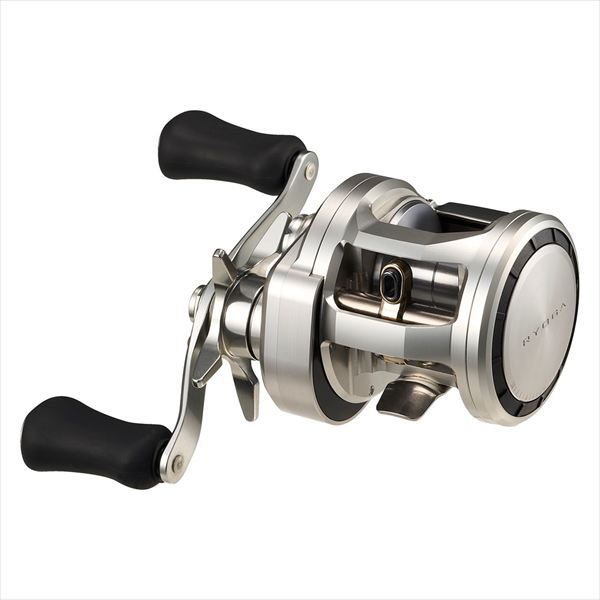
Ryoga SV100P. Official product image supplied by Daiwa.
SV100 and 150: Two Different Casting Concepts
Ryoga SV100
The SV100 uses a 34 mm G1 duralumin spool with SV Boost braking. Daiwa's SV concept is designed to control a wide range of lure weights and reduce line overrun across short, medium, and longer casts. The two-stage induct rotor in the Boost system applies strong braking early in the cast, then reduces braking as spool speed falls.
This configuration is particularly relevant when casting lures that experience noticeable aerodynamic drag. It is also the lighter-capacity option: the published nylon capacities are 12 lb–100 m, 14 lb–90 m, and 16 lb–80 m, with PE capacities of No. 2–150 m and No. 3–90 m.
Ryoga 150
The 150 uses a 36 mm high-strength aluminum spool and MAG-Z Boost braking. This system is tuned around the inertia generated by medium-to-heavy lures. Braking suppresses excessive spool speed during the early part of the cast and then steps back after the highest-risk backlash phase, allowing the lure to continue carrying line later in its flight.
The 150 also provides substantially greater line capacity: 16 lb–125 m, 20 lb–100 m, or 25 lb–80 m in nylon, and PE No. 2–230 m, No. 3–150 m, or No. 4–100 m. These specifications make the 150 the more appropriate starting point when heavier line and larger moving baits are central to the setup.

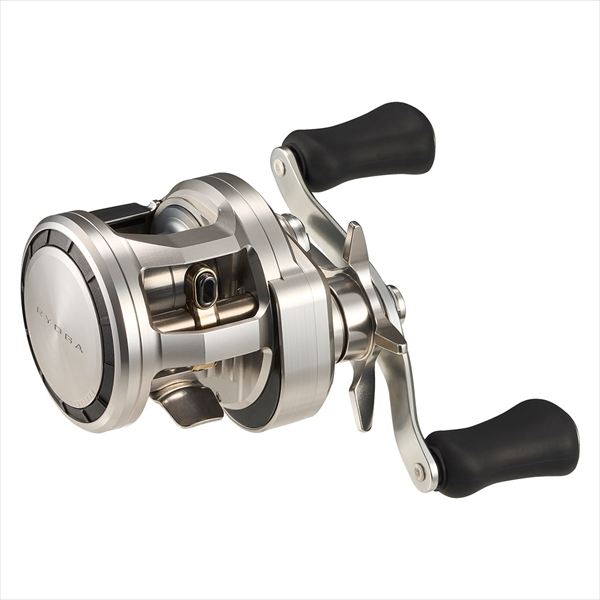
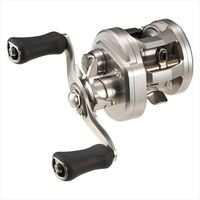
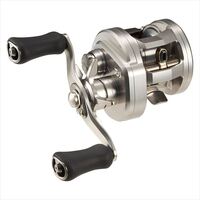
Ryoga 150P. Official product image supplied by Daiwa.