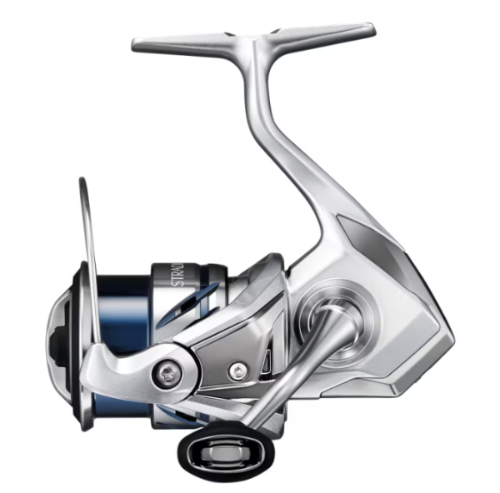
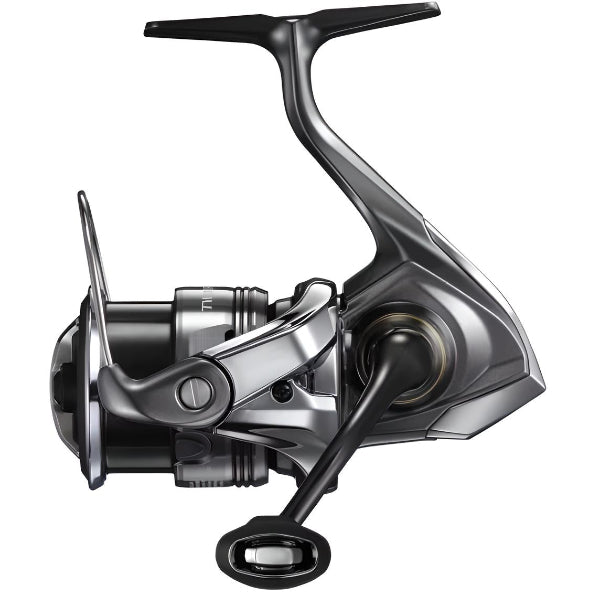
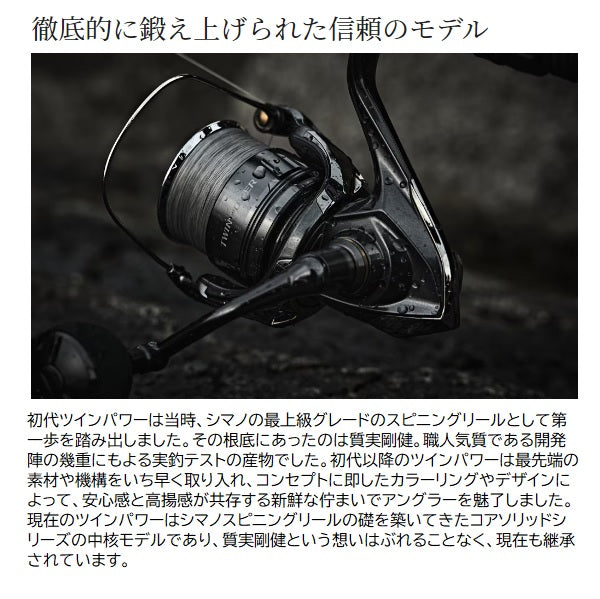
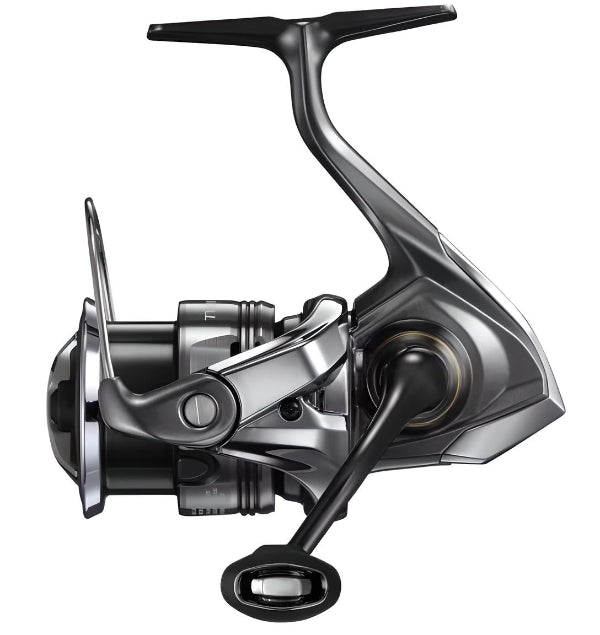
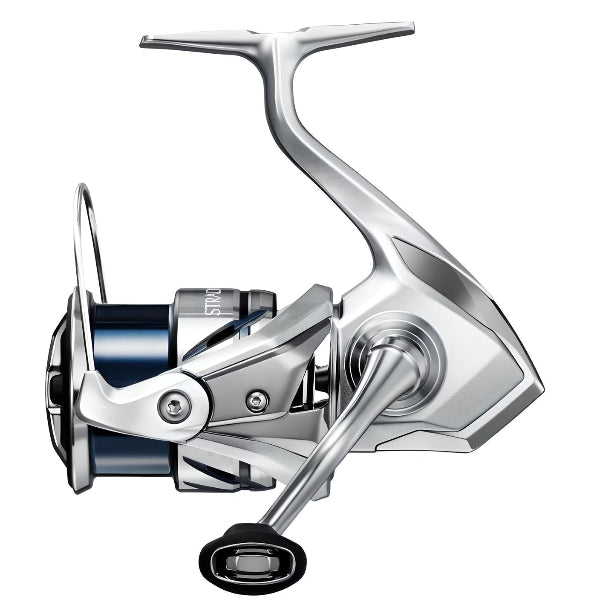
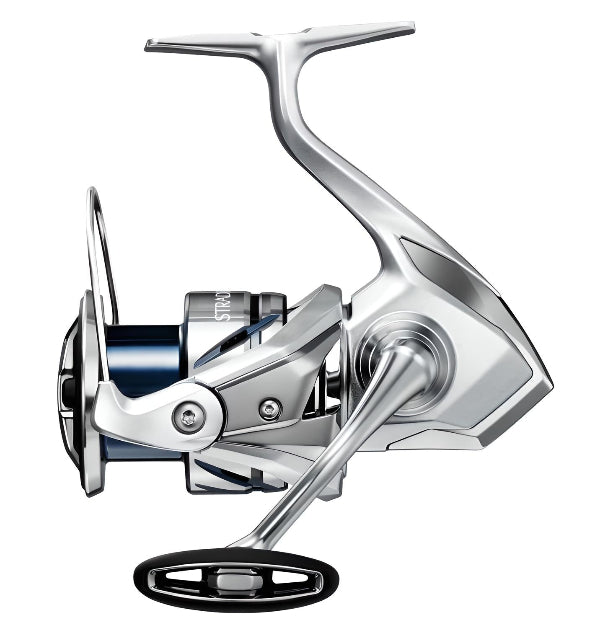
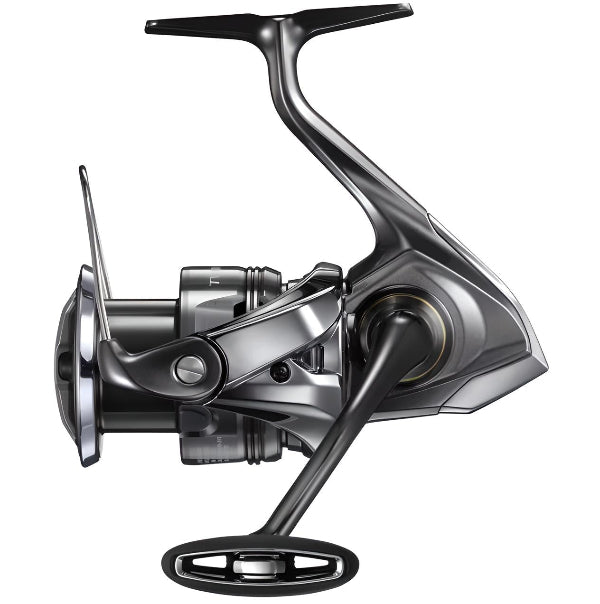
The Shimano Stradic and Twin Power are closer in core technology than their positions in the lineup suggest. Both use a HAGANE Body, MicroModule Gear II, Infinity Cross, Infinity Drive, DuraCross drag washers, X Protect, Anti-Twist Fin, and a Long Stroke Spool. Twin Power separates itself through a metal rotor, Infinity Loop line lay, more bearings, and additional structural refinement.

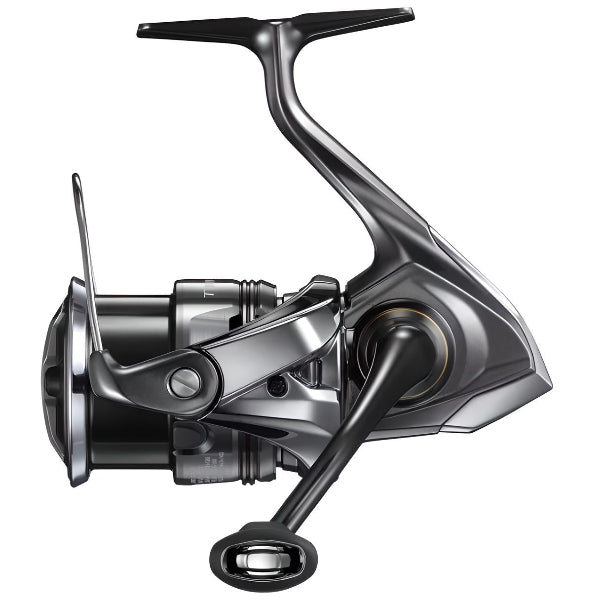
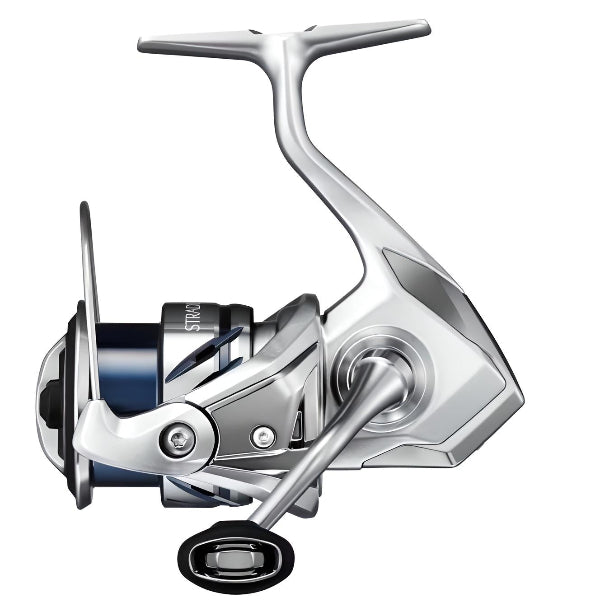
Shimano 2023 Stradic C3000XG. JDMREELHUB product image.

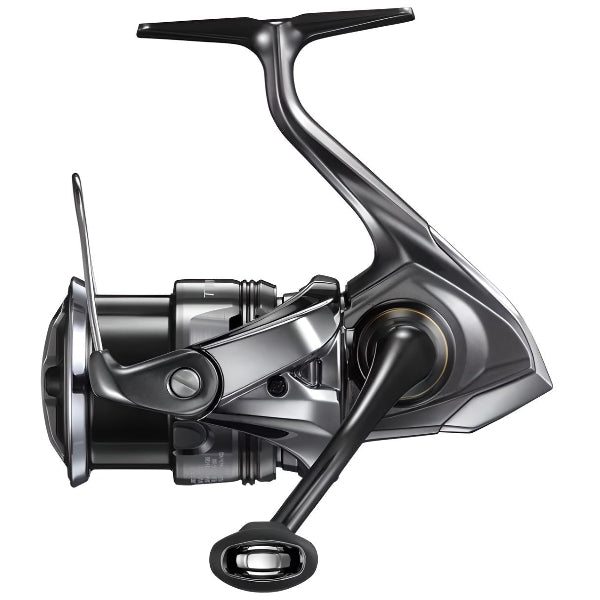
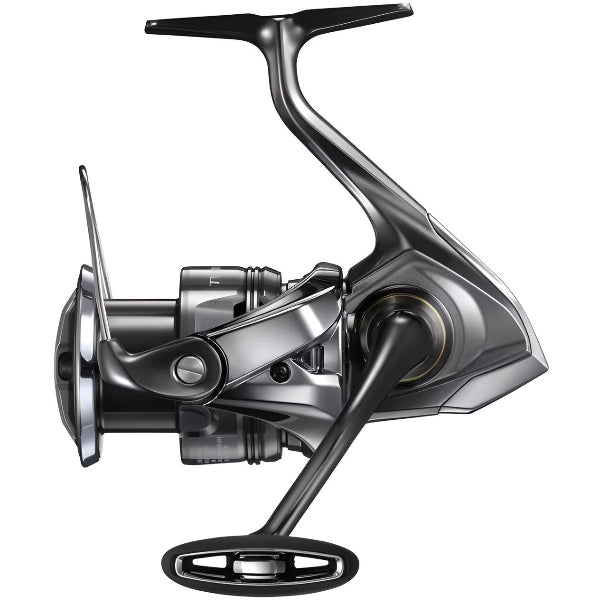
Shimano 2024 Twin Power C3000XG. JDMREELHUB product image.
What the C3000XG Specifications Reveal
Matched C3000XG models share the same gear ratio, drag ratings, spool dimensions, listed line capacity, retrieve rate, and handle length. Twin Power is 10 g lighter in this pairing and lists three more ball bearings. The numerical foundation is therefore nearly identical; the meaningful differences are construction and line-lay design.
Twin Power's Metal Rotor
Shimano positions Twin Power around a metal CoreSolid rotor paired with the HAGANE Body. The metal rotor is intended to reduce flex under load and preserve a smooth, steady cadence once it is moving. This makes Twin Power particularly relevant for hard hooksets, sustained retrieves, fish that must be turned quickly, and lures that pull strongly.
Stradic also belongs to the CoreSolid family and favors stable rotation, but it does not receive Twin Power's metal-rotor construction. It remains a robust general-purpose platform with many of the same drive and protection systems.
Infinity Loop Is the Other Major Split
Twin Power uses Infinity Loop to move the spool more slowly and create dense line lay. Shimano associates this with lower resistance as line leaves the spool. Stradic uses conventional oscillation rather than Infinity Loop. That makes the choice partly about preferred line management: Twin Power supplies the dense-wind system, while Stradic keeps the more familiar oscillation behavior.
Metric Specifications
| Feature |
2023 Stradic C3000XG |
2024 Twin Power C3000XG |
| Weight |
225 g |
215 g |
| Gear ratio |
6.4 |
6.4 |
| Practical drag |
3.5 kg |
3.5 kg |
| Maximum drag |
9 kg |
9 kg |
| Retrieve per handle turn |
94 cm |
94 cm |
| Spool diameter / stroke |
47 / 17 mm |
47 / 17 mm |
| Nylon capacity by diameter |
0.30 mm / 130 m |
0.30 mm / 130 m |
| Handle length |
55 mm |
55 mm |
| Ball / roller bearings |
6 / 1 |
9 / 1 |
| Rotor concept |
CoreSolid |
Metal CoreSolid |
| Infinity Loop line lay |
No |
Yes |
| HAGANE Body |
Yes |
Yes |
| Infinity Cross |
Yes |
Yes |
| Infinity Drive |
Yes |
Yes |
| Long Stroke Spool |
Yes |
Yes |
Specifications in Pounds, Yards & Inches
| Feature |
2023 Stradic C3000XG |
2024 Twin Power C3000XG |
| Weight |
7.9 oz |
7.6 oz |
| Gear ratio |
6.4 |
6.4 |
| Practical drag |
7.7 lb |
7.7 lb |
| Maximum drag |
19.8 lb |
19.8 lb |
| Retrieve per handle turn |
37.0 in |
37.0 in |
| Spool diameter / stroke |
1.85 / 0.67 in |
1.85 / 0.67 in |
| Nylon capacity by diameter |
0.012 in / 142 yd |
0.012 in / 142 yd |
| Handle length |
2.17 in |
2.17 in |
| Ball / roller bearings |
6 / 1 |
9 / 1 |
| Rotor concept |
CoreSolid |
Metal CoreSolid |
| Infinity Loop line lay |
No |
Yes |
| HAGANE Body |
Yes |
Yes |
| Infinity Cross |
Yes |
Yes |
| Infinity Drive |
Yes |
Yes |
| Long Stroke Spool |
Yes |
Yes |
Choose Stradic If
You want a versatile CoreSolid reel with the major modern Shimano drivetrain and protection systems, but do not specifically need a metal rotor or Infinity Loop. It is the straightforward option for mixed freshwater and inshore techniques where all-round utility matters more than maximum structural refinement.
Choose Twin Power If
You value greater rotor rigidity, dense line lay, a higher bearing count, and the steady feel of a metal CoreSolid rotor. Twin Power makes the strongest case when load transmission, repeatable retrieve cadence, and long-term use under demanding conditions are central to the application.
Bottom Line
Stradic covers most of the functional foundation. Twin Power adds the metal rotor and Infinity Loop rather than simply changing headline specifications. Choose by load, line-lay preference, and desired rotor feel, then compare the exact size because weight and capacity relationships vary across the range.