
Lever-brake spinning reels give the angler direct control over rotor backwind during a fight. Pulling the lever applies braking force; releasing it lets the rotor turn backward and feed line without relying only on the drag. This design is closely associated with Japanese rocky-shore float fishing, but it is also used for black sea bream, sea bass, and other situations where controlled line release matters.
Shimano and Daiwa both build capable lever-brake systems, but the decision is not simply a brand preference. Their current ranges differ in reverse-rotation behavior, lever feel, body architecture, protection systems, and spool ecosystems. Those differences affect handling more than a specification sheet alone can show.
Shimano vs Daiwa at a glance
| Decision point | Shimano BB-X | Daiwa LBD |
|---|---|---|
| Distinctive brake concept | SUT Brake II on selected models separates the handle from rotor backwind | BITURBO II Brake emphasizes quick response and brake-pad durability |
| Body direction | HAGANE Body and model-specific rotor architecture | Monocoque Body on key current models, allowing a rigid screw-in side plate and larger gear space |
| Saltwater protection | X Protect on applicable BB-X models | Magsealed plus the sealing benefits of Monocoque construction on applicable models |
| Spool selection | Multiple spool families; exact platform and size must match | Broad compatibility within some standard-size LBD families, with important exceptions |
What the lever brake changes
A conventional spinning reel normally manages a running fish through its drag. A lever-brake reel adds another control layer. The angler can momentarily release the rotor, let the fish take line through controlled backwind, then reapply braking force and resume winding. This can help keep a float rig balanced and reduce sudden load changes near rocks, but it demands deliberate finger timing.
The lever is a brake, not a substitute for correctly setting the drag. The two systems work together: the drag protects against sustained overload, while the lever provides immediate, variable control of rotor reversal.
Rotor reversal: the most important mechanical difference
Many lever-brake reels use a linked reverse motion: when the lever is released, the rotor turns backward, the handle turns backward, and the spool continues its oscillating movement. This is a familiar layout across both brands and remains mechanically straightforward.
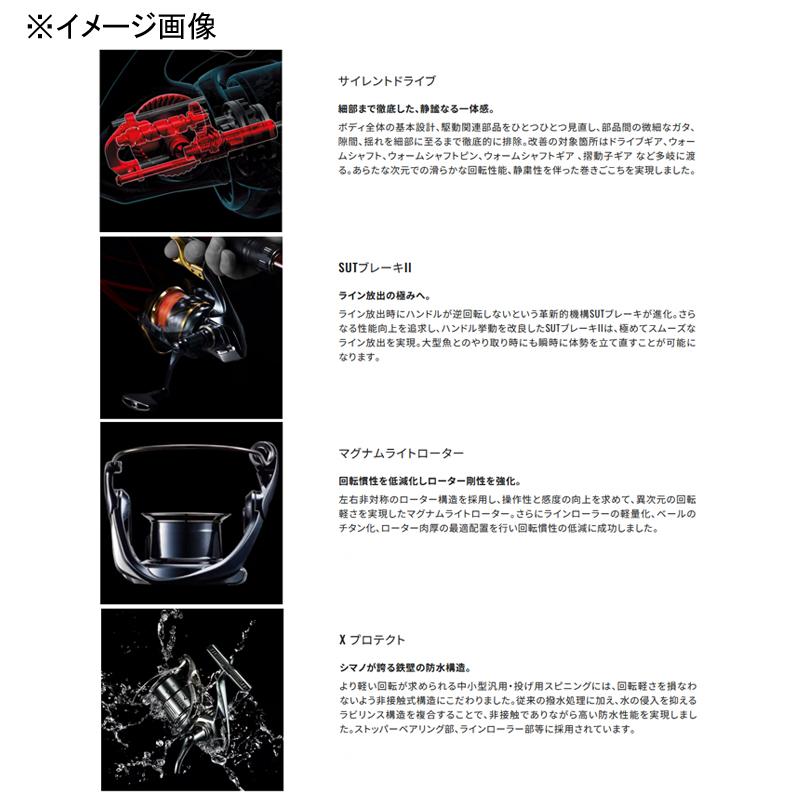
Selected Shimano BB-X reels add SUT Brake II. It separates the handle from the rotor during backwind, so the handle remains stationary while the rotor reverses. Reducing the moving mass can make line release feel quicker and can help the angler return to winding without first controlling a back-spinning handle. The tradeoff is platform specificity: SUT-equipped reels are sold in dedicated left- or right-handle configurations, and customization options are more limited than on a conventional shared-shaft layout.

Daiwa takes a different route in its current flagship LBD architecture. Its recent systems pursue low-resistance reverse rotation through rotor design, precise shaft support, and body rigidity while retaining familiar linked operation. The result is not a direct equivalent to SUT Brake II; it is a different mechanical solution to the same goal of controlled, responsive backwind.
Brake response: SUT Brake II and BITURBO II
Shimano's defining distinction is what happens after the lever releases the rotor. The SUT system reduces reverse-rotation inertia by removing the handle from that motion. Daiwa's BITURBO II Brake instead focuses on the braking interface itself. Daiwa describes the system as requiring light lever input, with revised brake-pad material intended to improve response and wear resistance.
Neither concept is universally better. Anglers who prioritize a stationary handle during controlled backwind may prefer an SUT-equipped Shimano. Those who want a conventional handle relationship with a fast, progressive braking response may favor Daiwa's approach. Technique and hand position matter, so the lever shape and reach deserve as much attention as the technology name.

Shop the Gear
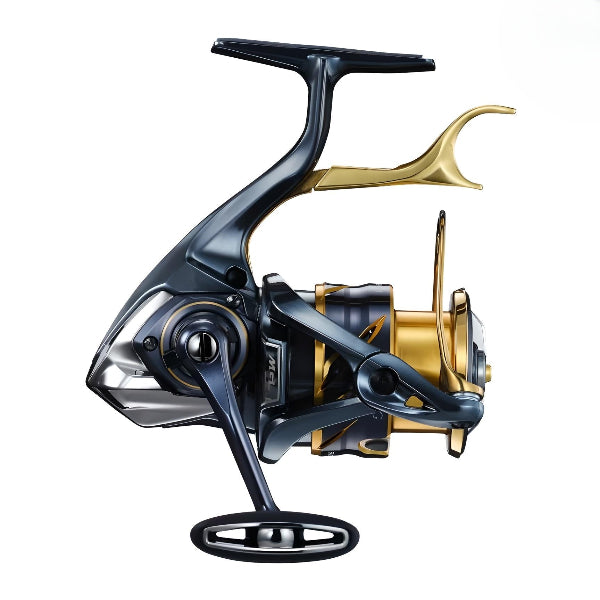
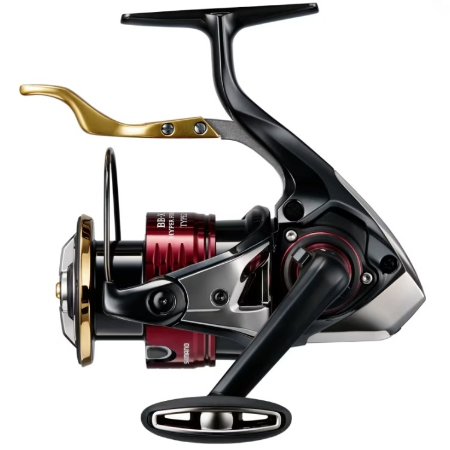
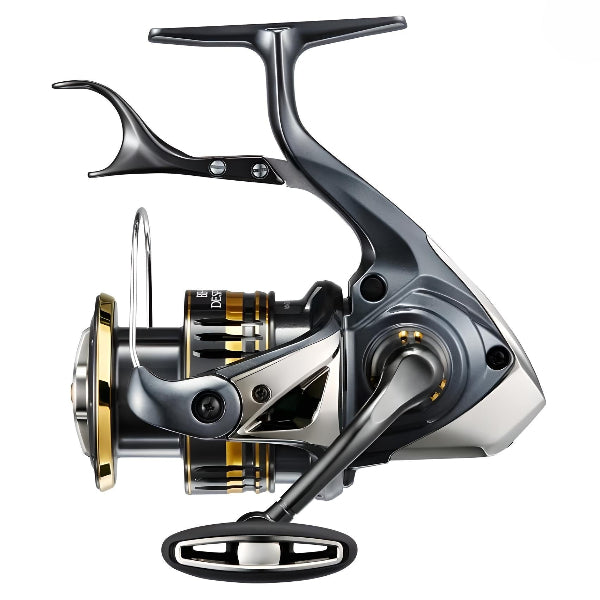
Body construction and winding support
Shimano's applicable BB-X models use a HAGANE Body to resist flex around the gear train. Models such as the BB-X Technium combine this rigid body concept with an MGL Rotor and X Protect. These systems address different needs: the body supports gear alignment under load, the lightweight rotor supports responsive start-up, and the protection structure helps limit saltwater intrusion at vulnerable points.

Daiwa's Monocoque Body replaces a conventional body cover and multiple screws with a rigid plate threaded directly into the body. This improves gear support and frees internal space for a larger drive gear. On models such as the Tournament ISO LBD and Impult LBD, Daiwa pairs that construction with Magsealed protection at the pinion area. The design is intended to support winding power, gear durability, and body sealing as an integrated system.

Lever shape and control style
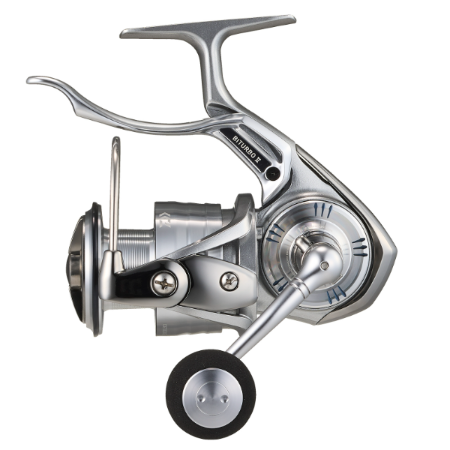
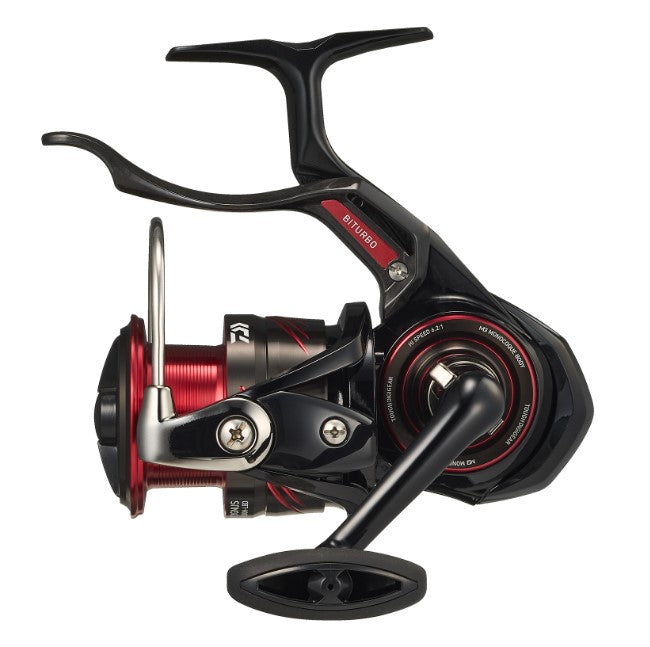
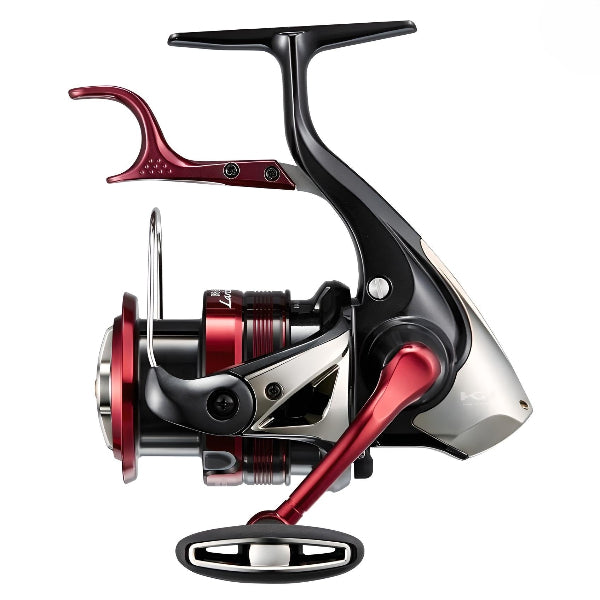
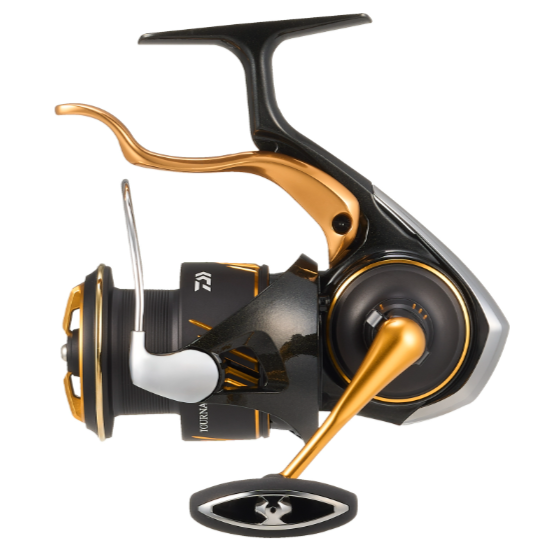
The lever is the main human interface, and its geometry differs noticeably between brands and generations. A lever positioned closer to the rod may suit anglers who prefer a more curled index-finger grip. A longer reach may suit a flatter finger position. Hand size, reel-seat shape, gloves, and the way the rod is held all change that relationship.
Do not select solely from a side-view photograph. Check whether you can comfortably apply and release braking force without shifting the rod in your hand. If possible, compare the intended reel on the rod you actually use.
Spool compatibility requires model-level checking
Shimano's BB-X ecosystem includes several spool groups. General-purpose, compact, medium, and large platforms are not automatically interchangeable even when model names look related. The exact reel family and size code must be checked against Shimano's compatibility information.
Daiwa uses a broader common spool pattern across a number of standard-size LBD reels. Daiwa states that the 2024 Impult accepts spools from many earlier LB reels, but explicitly excludes Onaga Monster and certain older 4000-size spools. That is useful platform continuity, not universal compatibility. Spool diameter, skirt geometry, drag configuration, and model exceptions still need confirmation.
- Match the complete reel model code, not only the nominal size.
- Check the manufacturer's spool compatibility chart for that generation.
- Confirm drag type, line-capacity requirement, and any left/right-handle restriction.
- Treat older and special-purpose platforms as exceptions until verified.
Representative model families
| Brand | Family | What to verify |
|---|---|---|
| Shimano | BB-X Technium | SUT Brake II, dedicated handle side, gear-ratio variant, spool group |
| Shimano | BB-X Hyperforce | Brake type, model size, handle configuration, intended line class |
| Shimano | BB-X Despina / Larissa | Required retrieve speed, handle layout, spool compatibility |
| Daiwa | Tournament ISO LBD | High-speed, all-round, or power-oriented model; drag and line requirements |
| Daiwa | Impult LBD | Retrieve-speed variant, spool exceptions, handle configuration |
| Daiwa | Cygnus and special-purpose LBD models | Target technique, model generation, spool family, brake and drag setup |
How to choose
Choose by reverse-rotation behavior first
If a stationary handle during backwind is central to your technique, start with an SUT Brake II Shimano and select the correct handle side. If you prefer a conventional linked feel, both brands provide suitable options; compare lever reach and brake progression next.
Match the reel to retrieve speed and target load
Fast-retrieve models recover slack and reset float rigs quickly. Lower-geared models place more emphasis on controlled winding under load. Do not assume the fastest model is the most versatile: current, target size, line choice, and fishing depth should determine the gear-ratio class.
Include spare spools in the platform decision
Anglers who frequently change line types should compare the entire spool ecosystem before selecting a reel. Existing compatible spools can make staying within one platform practical, while an incompatible family can require a complete change of spare-spool inventory.
Bottom line
Shimano and Daiwa solve lever-brake control in different ways. Shimano's SUT Brake II is the clearest differentiator when minimal reverse-rotation inertia and a stationary handle are priorities. Daiwa's current LBD models combine BITURBO II Brake with Monocoque Body construction to emphasize brake response, gear support, and sealing. Beyond those technologies, the best choice comes down to lever ergonomics, the exact retrieve-speed variant, handle configuration, and confirmed spool compatibility.