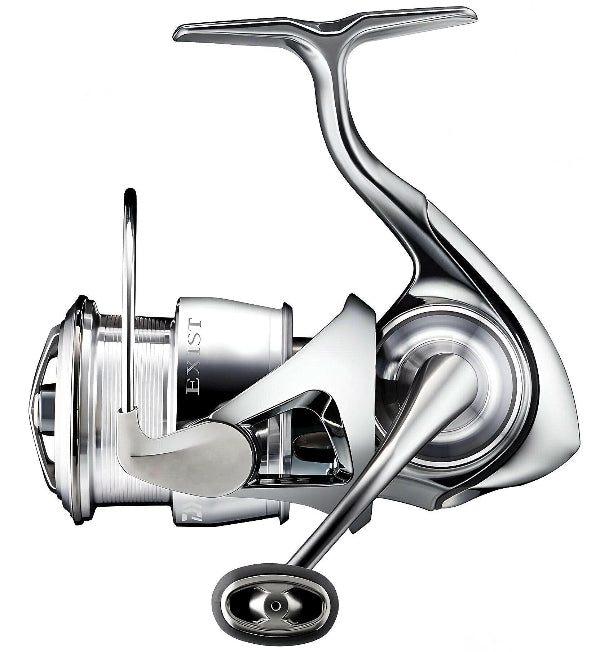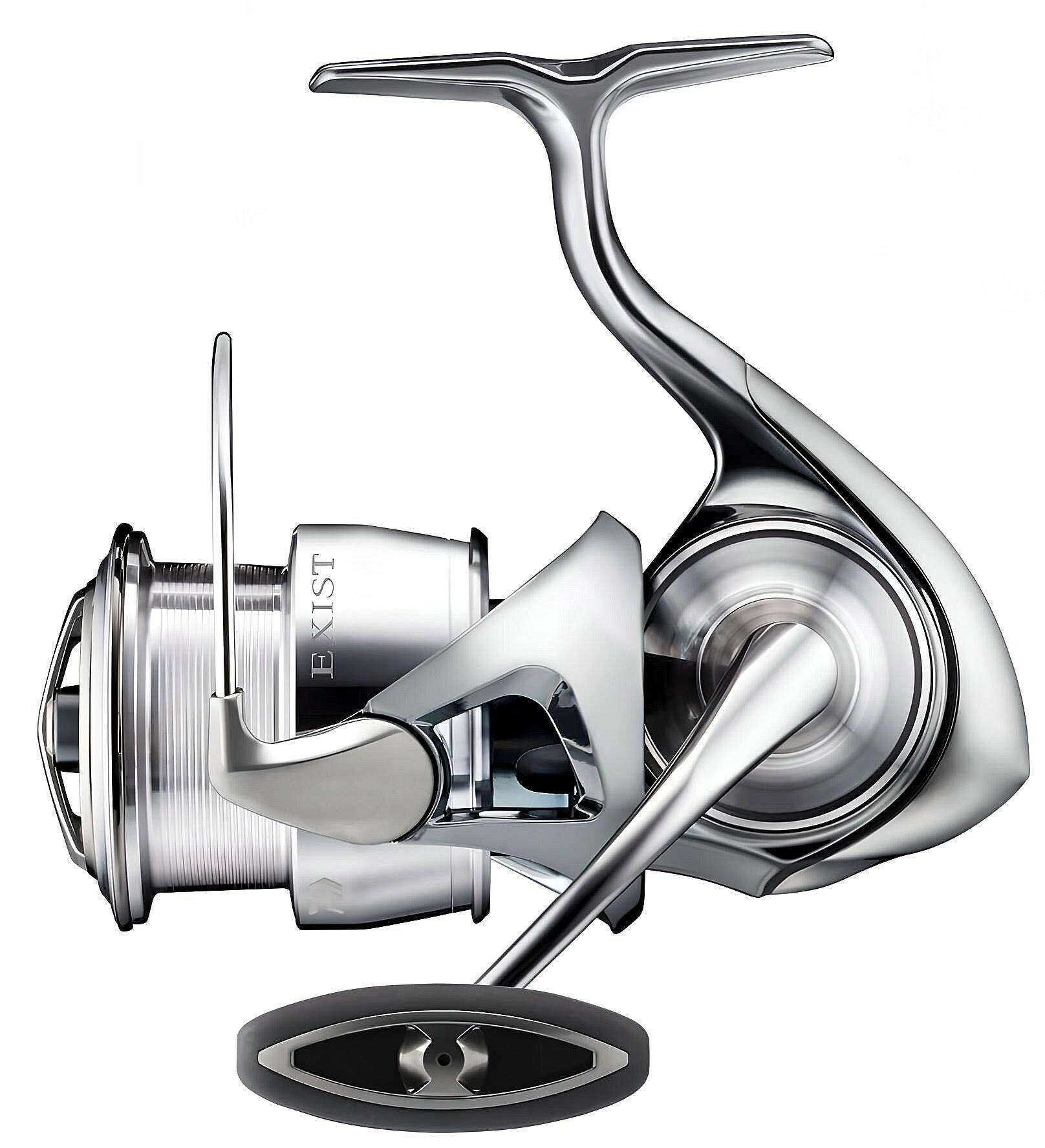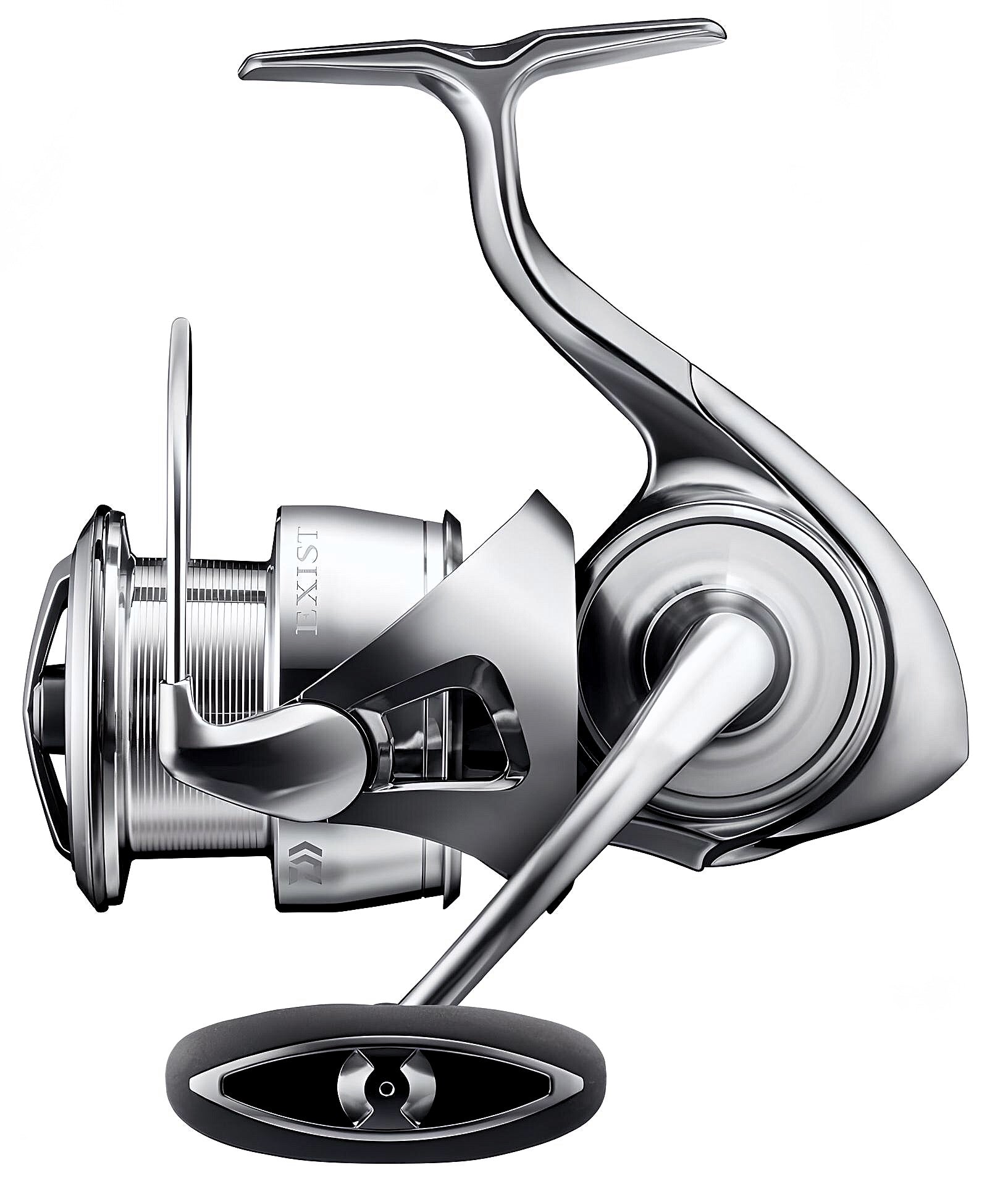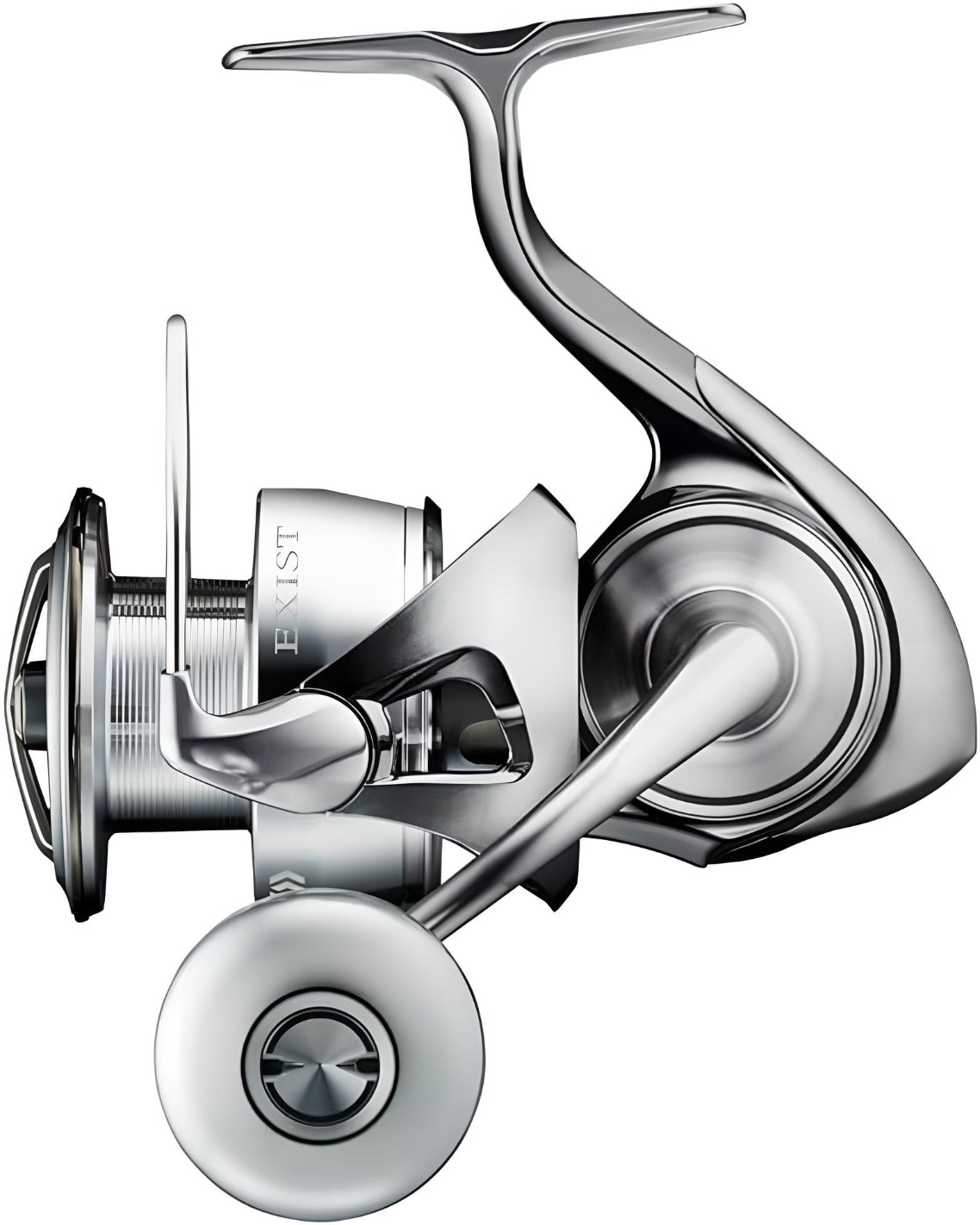
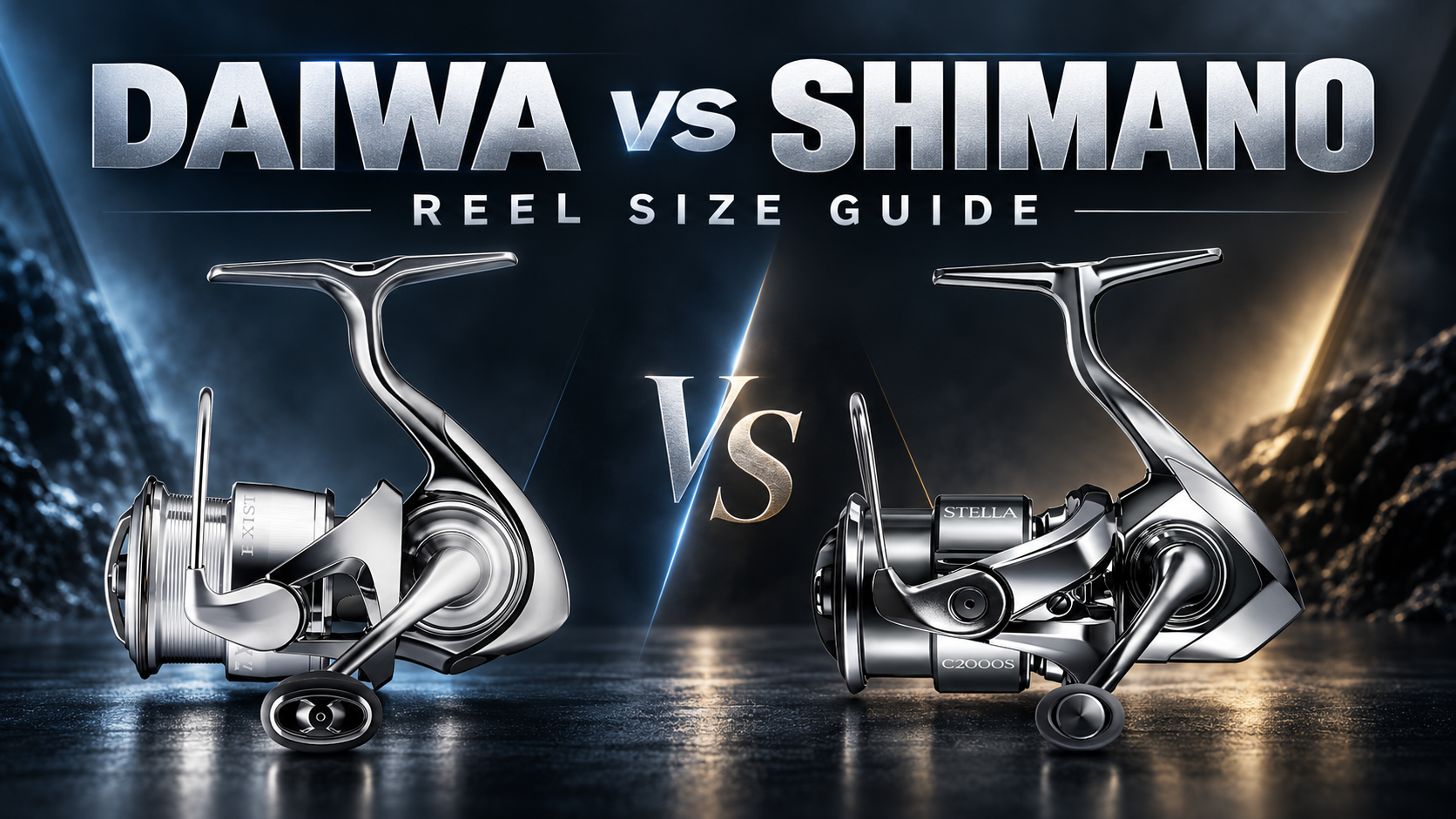
A Daiwa 2500 and a Shimano 2500 are not guaranteed to be the same physical reel. Size numbers are manufacturer-specific labels, and suffixes can change the spool depth, body class, gearing, handle and intended line system. The reliable way to compare them is to work from measurable specifications.

The number is a family label, not an industry standard
The number usually places a reel within one manufacturer’s lineup: a higher number generally means some combination of a larger spool, greater capacity or a larger platform. It does not define one universal diameter, capacity or body size. Even within the same brand, a shallow-spool model and a deep-spool model carrying the same main number can hold very different amounts of line.
This is also why an old cross-reference chart can mislead. Daiwa’s current LT naming system should not be treated as identical to older Daiwa numbering, while Shimano’s compact-body models deliberately combine a smaller body with a spool from another size group.

Read the letters before comparing the number
Daiwa
LT identifies Daiwa’s Light & Tough concept. A suffix such as S indicates a shallow spool, while D identifies a deeper spool. C denotes a compact-body configuration on models that use it. Gear-related suffixes such as P, H and XH distinguish retrieve characteristics. Always confirm the individual model rather than decoding only one letter in isolation.
Shimano
C means compact body: for example, a C3000 uses a 3000-class spool concept on a more compact body platform. S marks a shallow spool and M a medium-depth spool. PG, HG and XG identify power, high and extra-high gearing. A 2500S, C3000MHG and C3000XG can therefore share a broad platform relationship while differing substantially in capacity and retrieve.
Five specifications that make the comparison useful
- Line type, strength and capacity: start with the line you actually intend to use. Compare braid in lb-m or lb-yd, not by a Japan-only size code. Published capacity is approximate because real diameter and winding tension vary by line.
- Spool diameter: this is the clearest physical reference for grouping sizes. A larger diameter can reduce line curvature and increases pickup for a given rotational speed, but it does not by itself tell you spool depth or body strength.
- Body class: compact-body suffixes matter. Two reels with similar spool diameters can use different body and drive-train classes.
- Retrieve per crank: compare actual line pickup, not gear ratio alone. Pickup combines gearing and spool circumference and is the better indicator of how much line is recovered with one handle turn.
- Weight, drag and handle: these affect rod balance and load management. Maximum drag is a ceiling, not a target setting, and should not be used as the only measure of reel suitability.
Shop the Gear
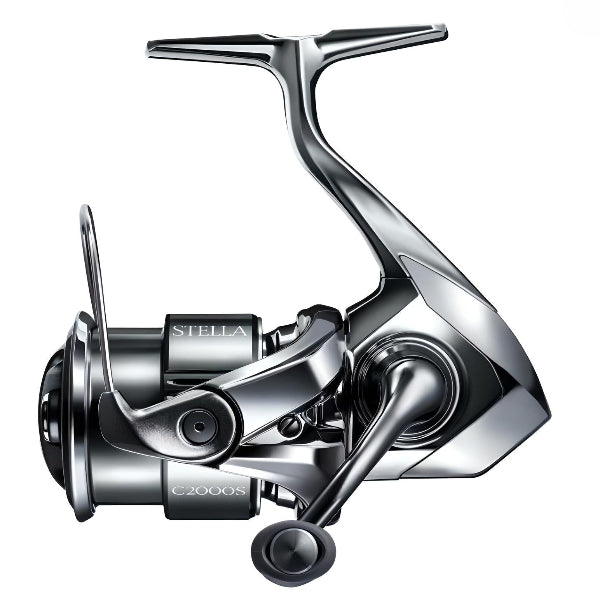
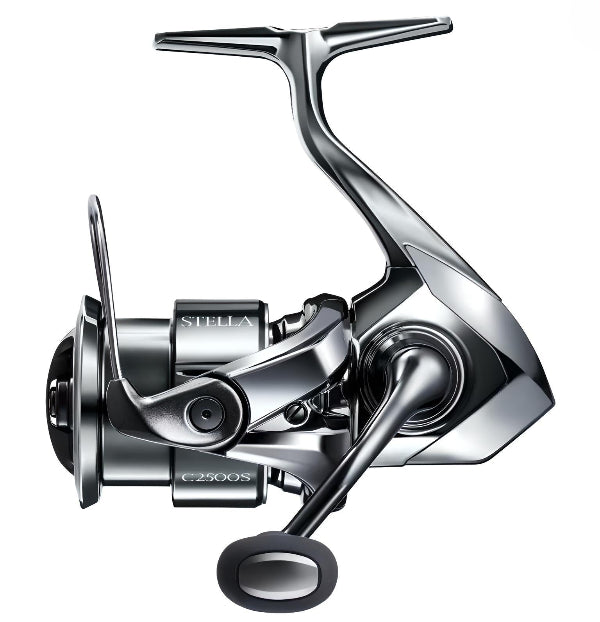
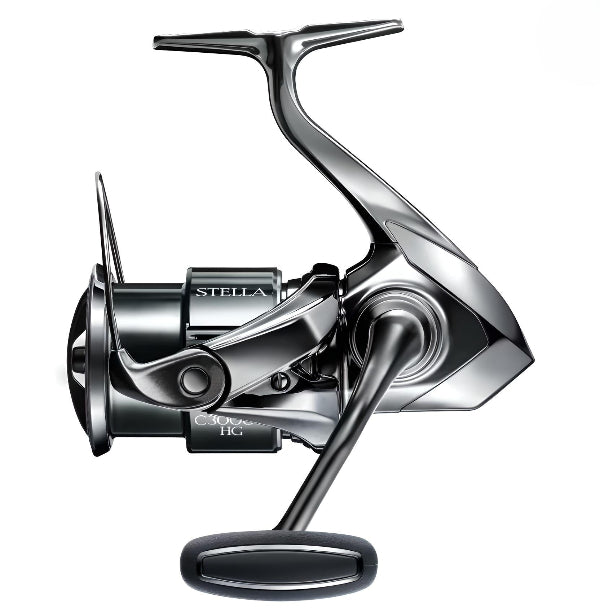
A practical Daiwa-to-Shimano comparison
The table uses 2022 Daiwa Exist LT and 2022 Shimano Stella models as controlled examples. It is a comparison of these exact models—not a promise that every reel carrying the same number will match. Braid capacities have been converted from the manufacturers’ published Japan-market braid sizes to approximate strength classes.
Representative Metric Comparison
| Class | Daiwa example | Spool / weight | Pickup | Braid capacity | Shimano example | Spool / weight | Pickup | Braid capacity |
|---|---|---|---|---|---|---|---|---|
| Light compact | LT2000S-P | 42 mm / 155 g | 64 cm | 8 lb / 200 m | C2000S | 43 mm / 170 g | 69 cm | 12 lb / 150 m; 16 lb / 110 m; 20 lb / 80 m |
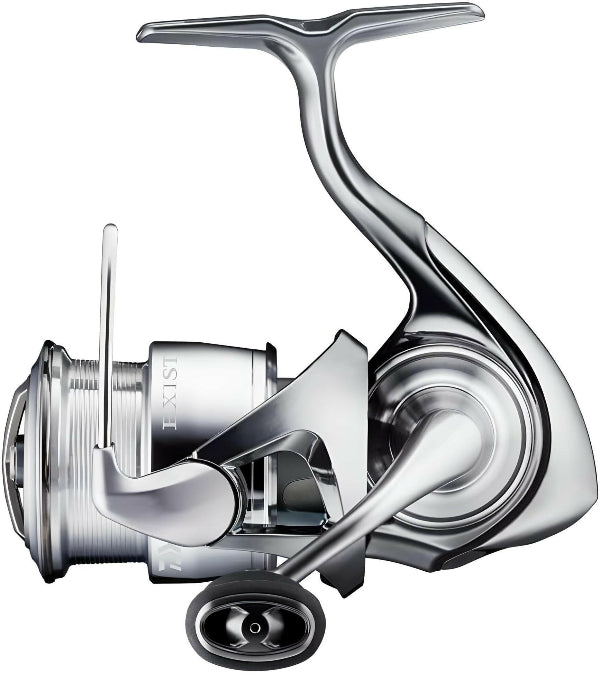
| Finesse 2500 | LT2500S | 45 mm / 160 g | 72 cm | 12 lb / 200 m | C2500S | 44 mm / 175 g | 70 cm | 12 lb / 200 m; 16 lb / 150 m; 20 lb / 120 m |
| Versatile 3000 | LT3000S | 48 mm / 180 g | 77 cm | 16 lb / 200 m | C3000MHG | 47 mm / 210 g | 86 cm | 20 lb / 190 m; 24 lb / 150 m; 30 lb / 120 m |
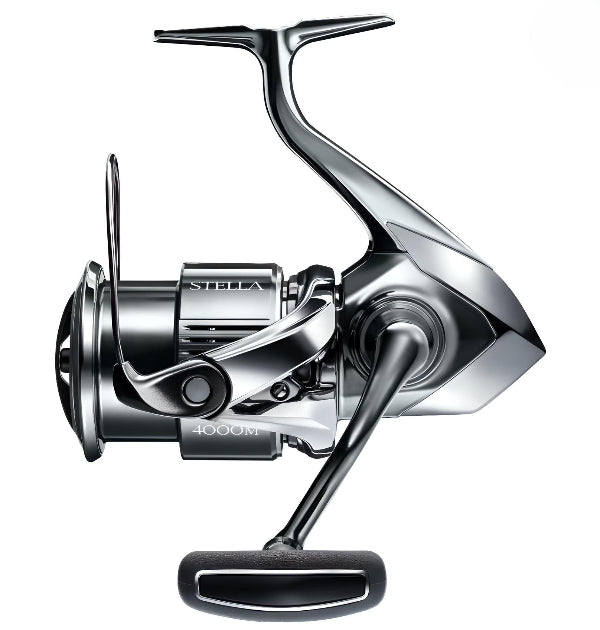
| 4000 | LT4000 | 51 mm / 205 g | 82 cm | 30 lb / 200 m | 4000M | 52 mm / 260 g | 87 cm | 24 lb / 250 m; 30 lb / 200 m; 40 lb / 150 m |
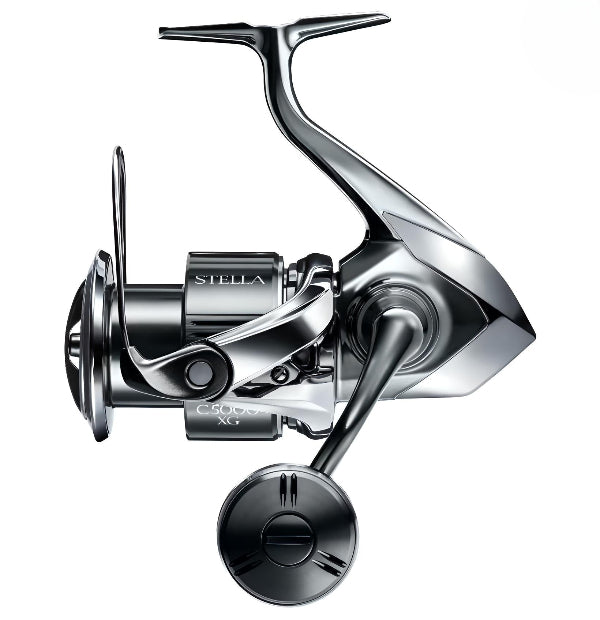
| Compact 5000 | LT5000-C | 54 mm / 220 g | 87 cm | 40 lb / 300 m | C5000XG | 52 mm / 260 g | 101 cm | 30 lb / 400 m; 40 lb / 300 m; 55 lb / 200 m |
Specifications in Pounds, Yards & Inches
| Class | Daiwa example | Spool / weight | Pickup | Braid capacity | Shimano example | Spool / weight | Pickup | Braid capacity |
|---|---|---|---|---|---|---|---|---|
| Light compact | LT2000S-P | 1.65 in / 5.5 oz | 25.2 in | 8 lb / 219 yd | C2000S | 1.69 in / 6.0 oz | 27.2 in | 12 lb / 164 yd; 16 lb / 120 yd; 20 lb / 87 yd |
| Finesse 2500 | LT2500S | 1.77 in / 5.6 oz | 28.3 in | 12 lb / 219 yd | C2500S | 1.73 in / 6.2 oz | 27.6 in | 12 lb / 219 yd; 16 lb / 164 yd; 20 lb / 131 yd |
| Versatile 3000 | LT3000S | 1.89 in / 6.3 oz | 30.3 in | 16 lb / 219 yd | C3000MHG | 1.85 in / 7.4 oz | 33.9 in | 20 lb / 208 yd; 24 lb / 164 yd; 30 lb / 131 yd |
| 4000 | LT4000 | 2.01 in / 7.2 oz | 32.3 in | 30 lb / 219 yd | 4000M | 2.05 in / 9.2 oz | 34.3 in | 24 lb / 273 yd; 30 lb / 219 yd; 40 lb / 164 yd |
| Compact 5000 | LT5000-C | 2.13 in / 7.8 oz | 34.3 in | 40 lb / 328 yd | C5000XG | 2.05 in / 9.2 oz | 39.8 in | 30 lb / 437 yd; 40 lb / 328 yd; 55 lb / 219 yd |
Specification sources: Daiwa’s official 2022 Exist product table and Shimano’s official 2022 Stella product table. Braid strength equivalents are approximate; actual diameter varies by construction and manufacturer.

What the representative pairs show
LT2000 and C2000: their spool diameters are close, making this a sensible starting comparison for compact light-line reels. The published capacities are not identical, so the required line still decides the final choice.
LT2500 and Shimano’s compact 2500: Daiwa’s 45 mm spool sits near Shimano’s 44 mm C2500 spool. A full-body Shimano 2500 uses a 47 mm spool, illustrating why the suffix changes the comparison.
LT3000 and C3000: the spool diameters are again close, but the example Shimano retrieves more line per turn and carries more weight. Those differences may matter more than the shared “3000” label.
LT4000 and Shimano 4000: these examples form a broadly comparable diameter group. Body weight and exact spool depth remain significantly model-dependent.
LT5000-C and C5000: both names explicitly signal compact configurations, yet Daiwa’s example uses the larger spool diameter while Shimano’s example offers different published capacity and faster pickup. “5000” alone does not settle the match.
A better selection sequence
- Define the line type, strength and working length required for the fishing method.
- Shortlist only models whose published capacity covers that requirement without excessive unused depth.
- Compare spool diameter and retrieve per crank for line management and presentation speed.
- Check whether the model uses a compact, standard or reinforced body class.
- Match total reel weight and handle configuration to the rod and expected load.
- Confirm the exact specification page for the model code before purchasing; do not transfer assumptions from a neighboring size.
The takeaway
Daiwa and Shimano size numbers are useful for navigating each brand’s lineup, but they are not conversion units. Begin with line capacity, then compare spool diameter, body class, retrieve, weight and drag. That method remains useful when naming systems change and avoids choosing a reel on a number that only looks familiar.