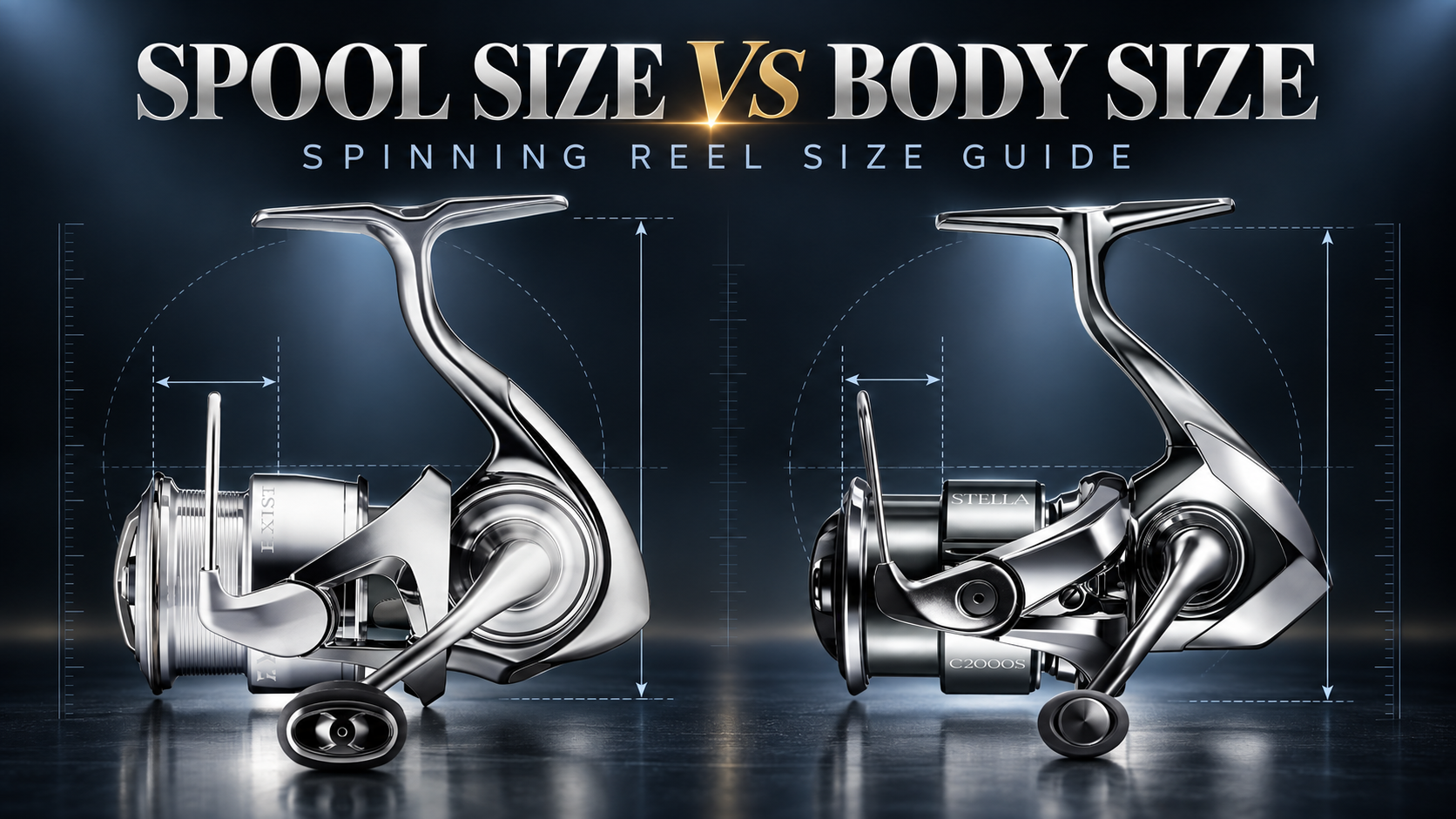
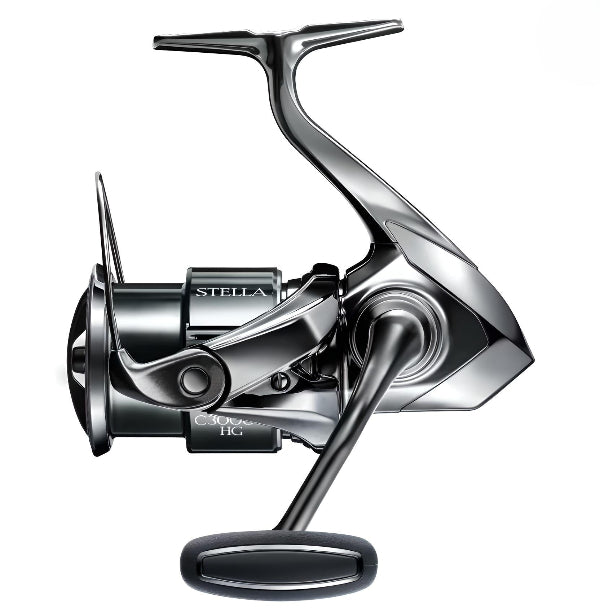
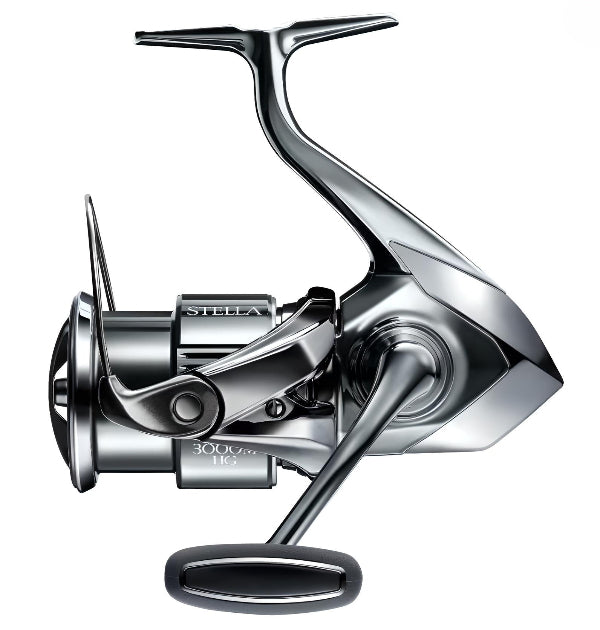
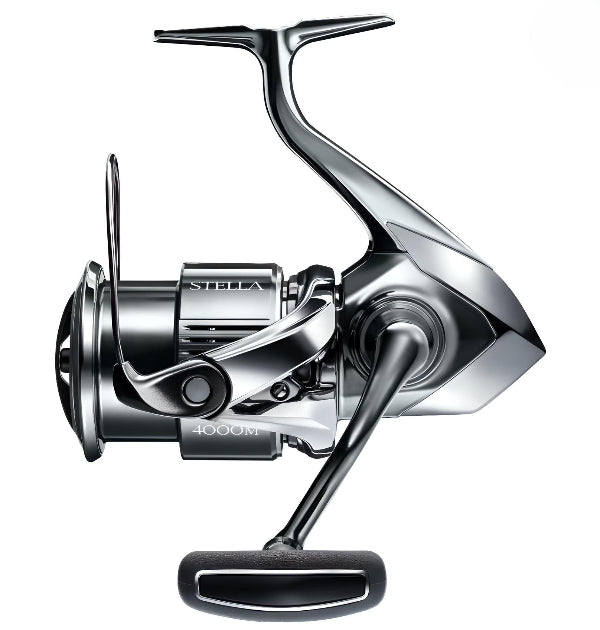
A spinning reel’s main size number does not tell you its complete physical architecture. Spool diameter, spool depth and body class can move independently, while suffixes change gearing and handle configuration. Understanding those layers is more useful than treating a model code as one fixed size.

Three different meanings of “reel size”
1. Spool diameter
The outside diameter of the spool influences the size of the line coils and contributes to line pickup per handle turn. It is a useful physical reference, but it does not reveal how deep the spool is or how much line it holds.
2. Spool depth and capacity
Two spools with the same outside diameter can have different groove depths. A shallow spool is designed around a shorter working length, while a medium or deep spool increases capacity. Always compare the published braid capacity in lb-m or lb-yd; the main number cannot replace it.
3. Body class
The body carries the drive gear, pinion and support structure. A compact-body model can combine a spool from one nominal size group with a smaller body, while a power-oriented configuration may place the same spool class on a larger body. Body material and internal design also affect rigidity, so body class should not be inferred from weight alone.
How Shimano separates spool and body groups
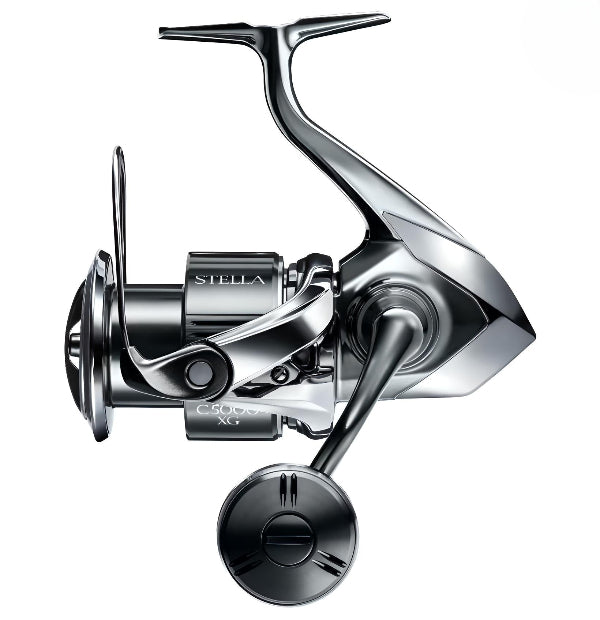
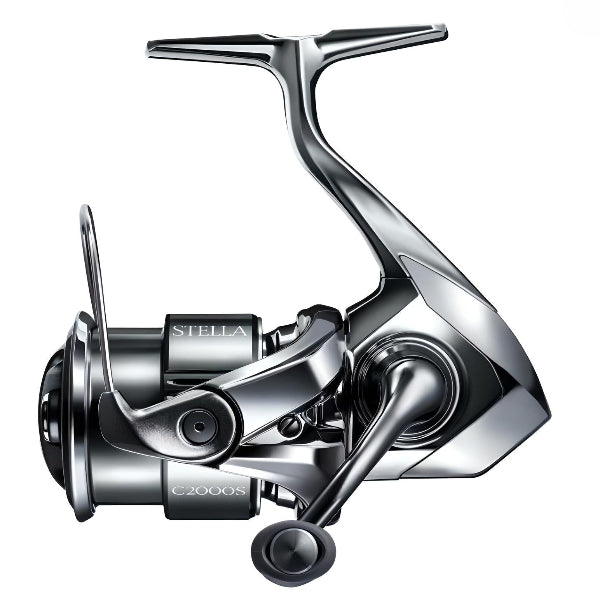
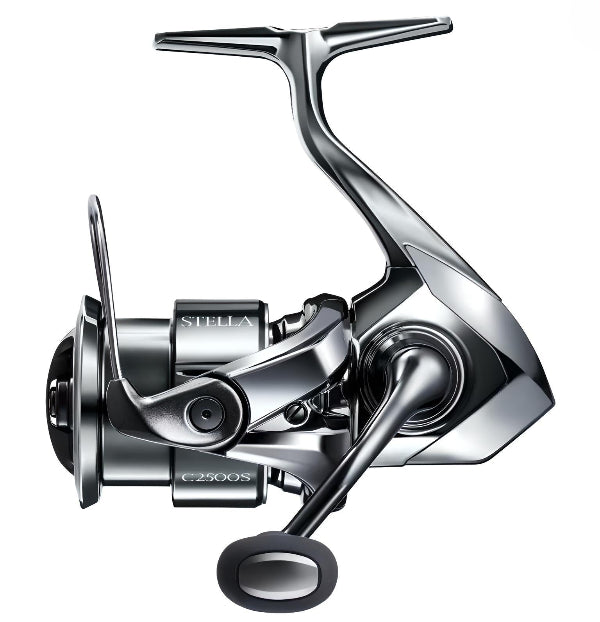
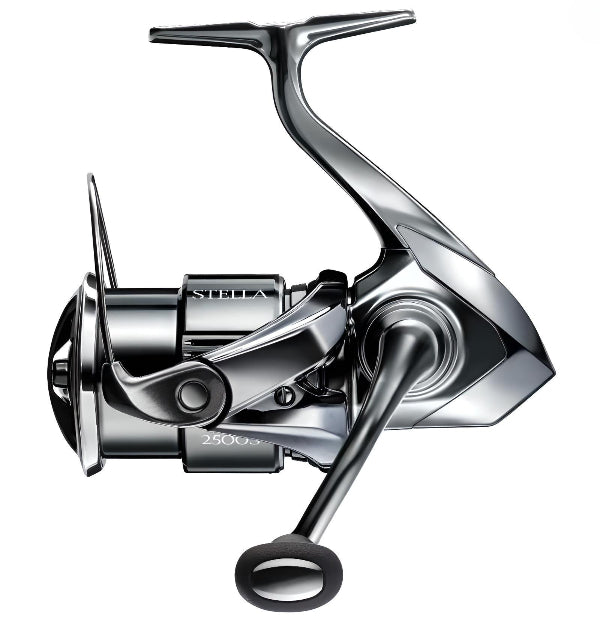
On Shimano model codes, C generally identifies a compact-body configuration, but the exact architecture is generation-specific. In the 2022 Stella family, the C2500S is a distinct compact group with a 44 mm spool, while the 2500S and C3000 variants use a 47 mm spool group. The 4000M and C5000XG both use a 52 mm spool diameter, yet their spool depth, capacity, retrieve and handle specification differ.

Shimano’s official compatibility information reinforces the distinction. Within the 2022 Stella series, 2500S and multiple C3000 variants belong to one spool-compatibility group, while 4000M, 4000MHG, 4000XG and C5000XG form another. Compatibility is model- and generation-specific, however, so a shared number across different product families is not permission to interchange parts.
How Daiwa’s LT and Power Custom codes work
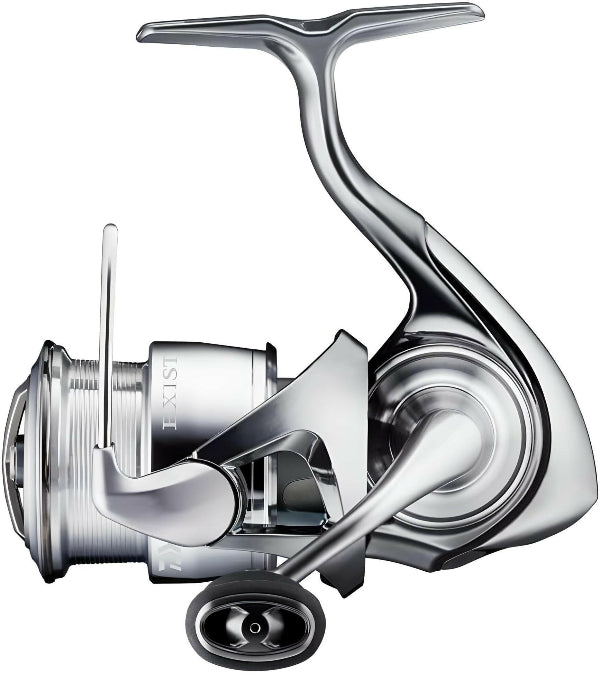
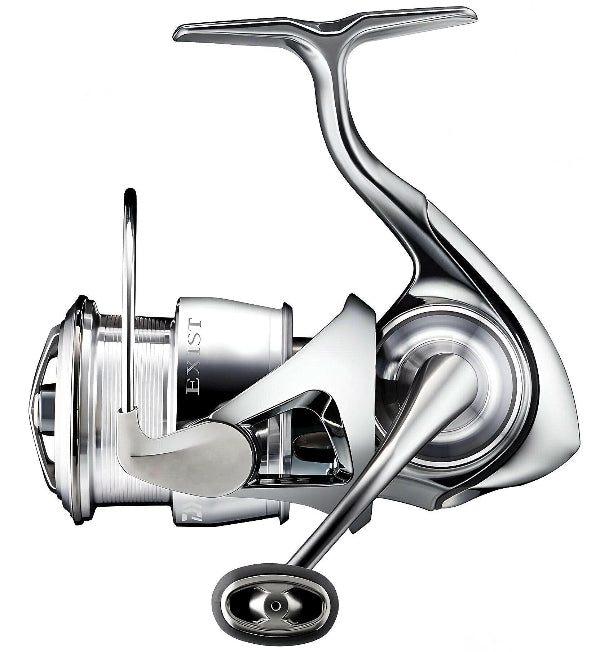
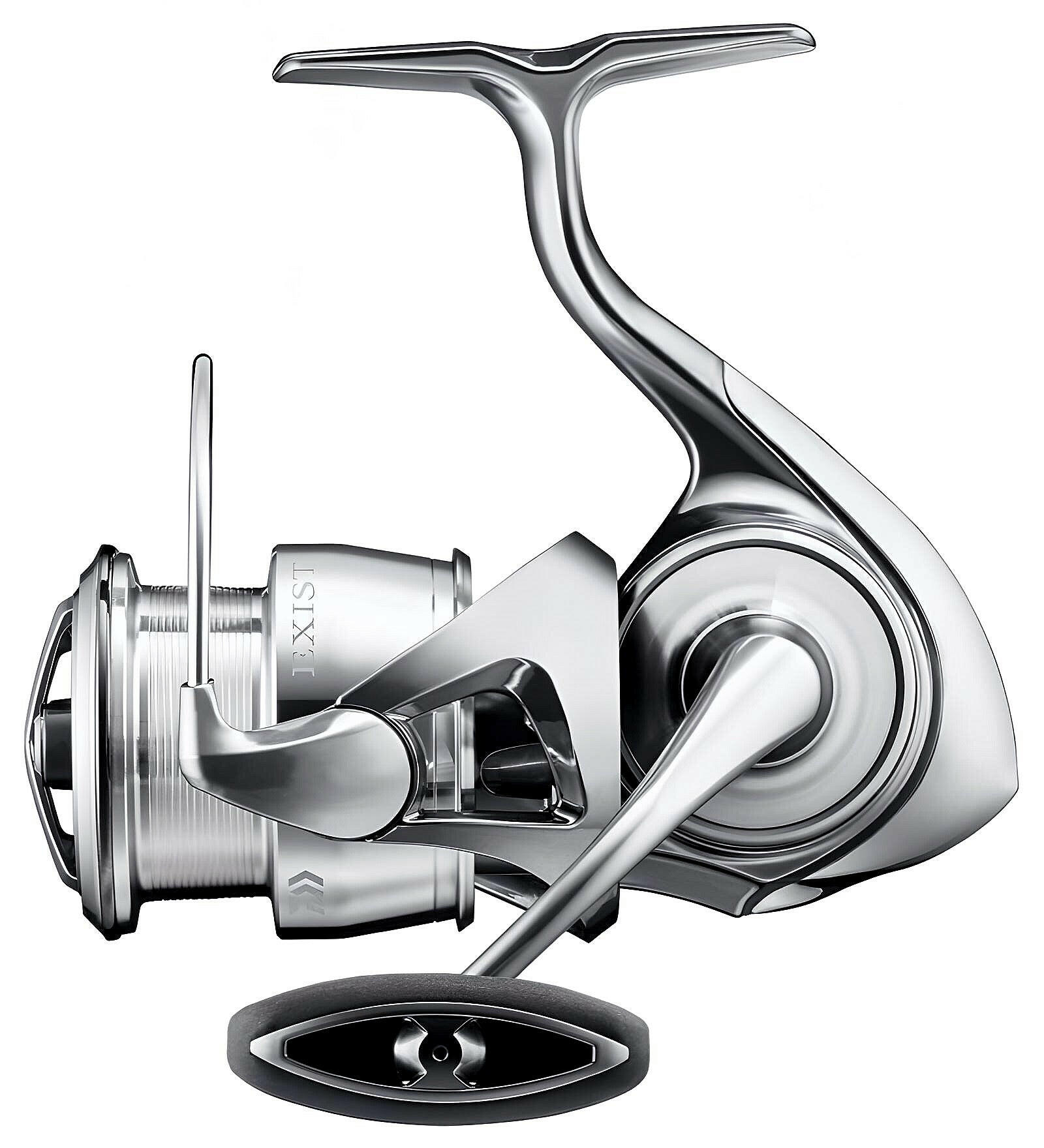
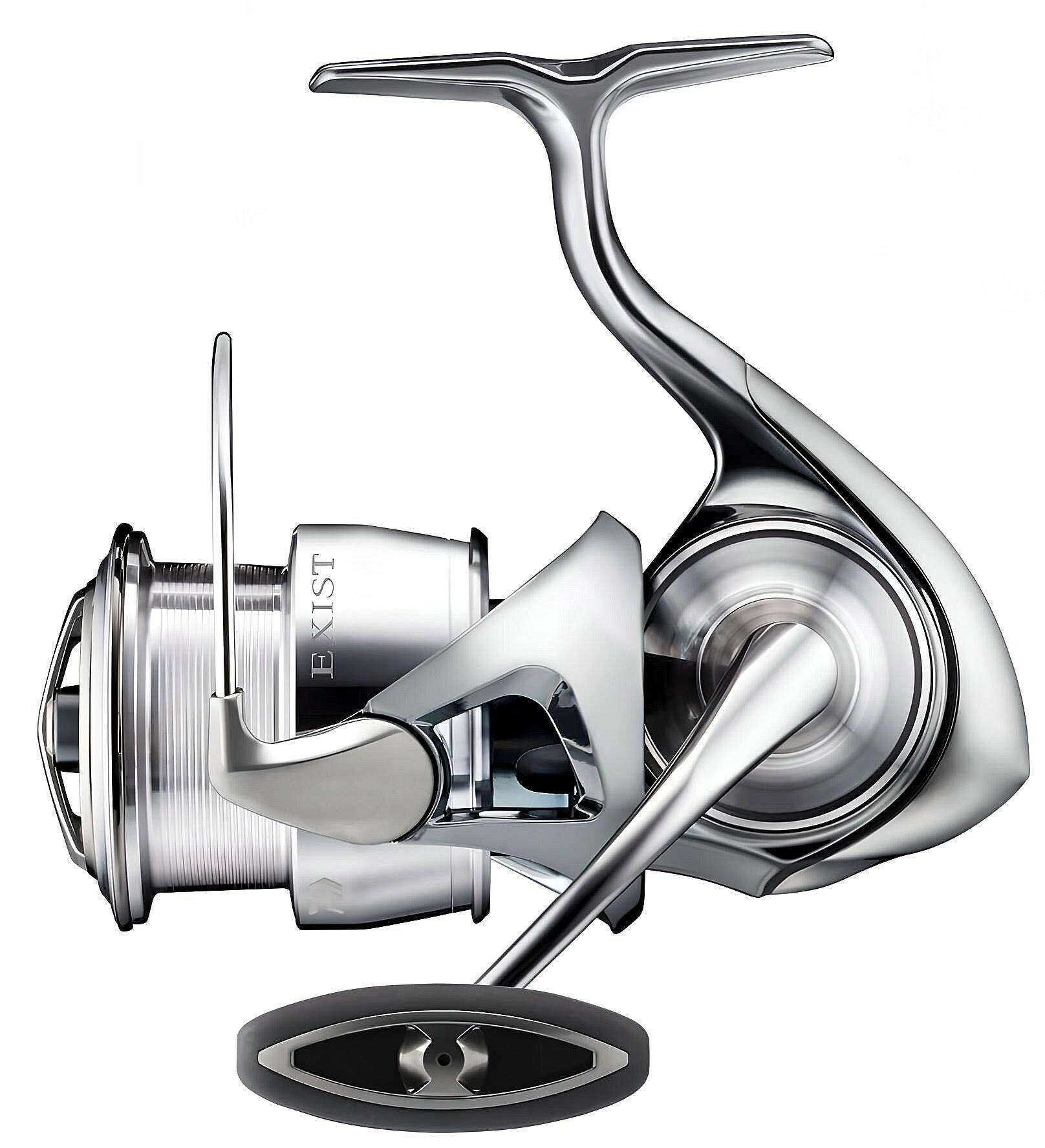
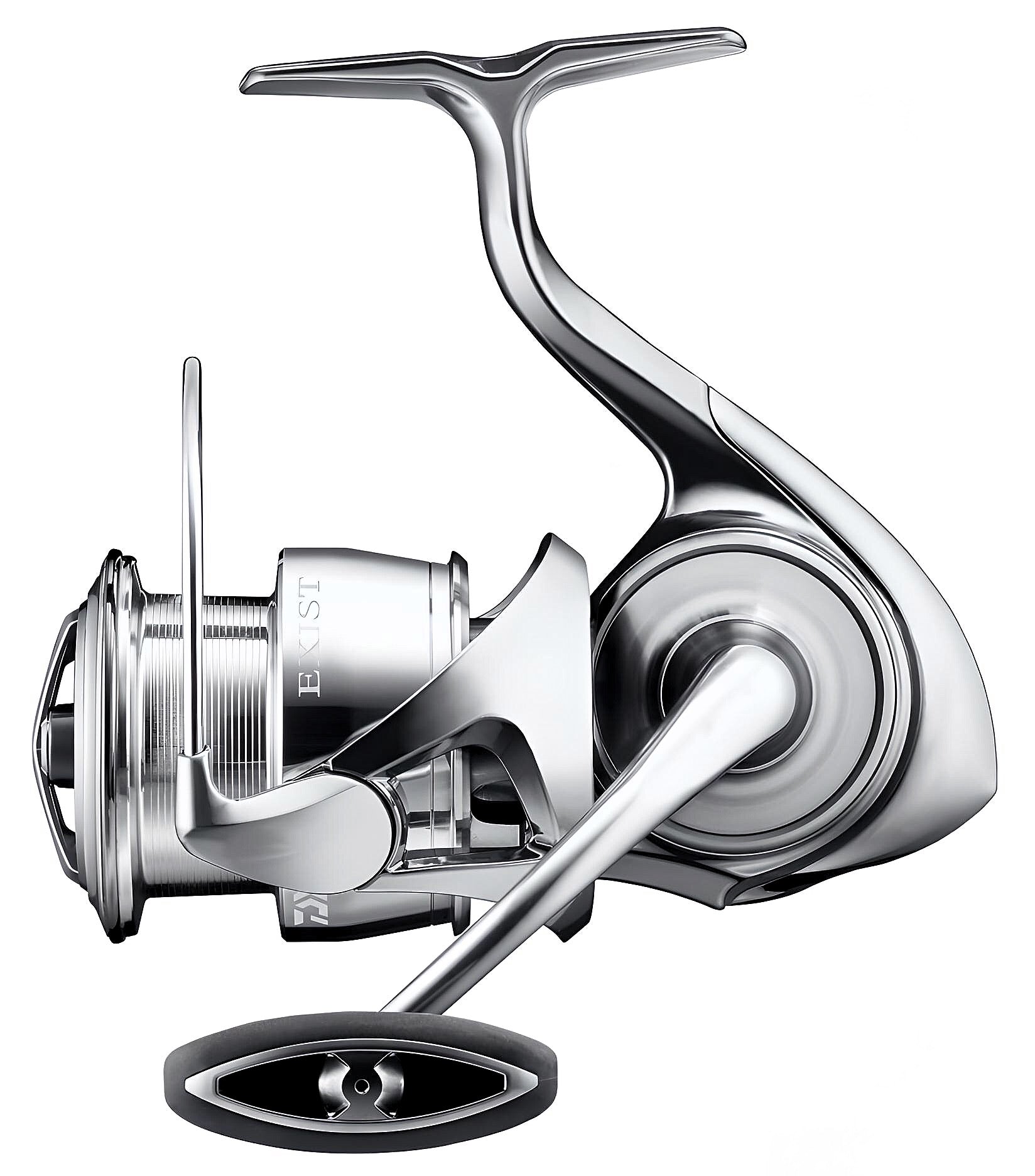
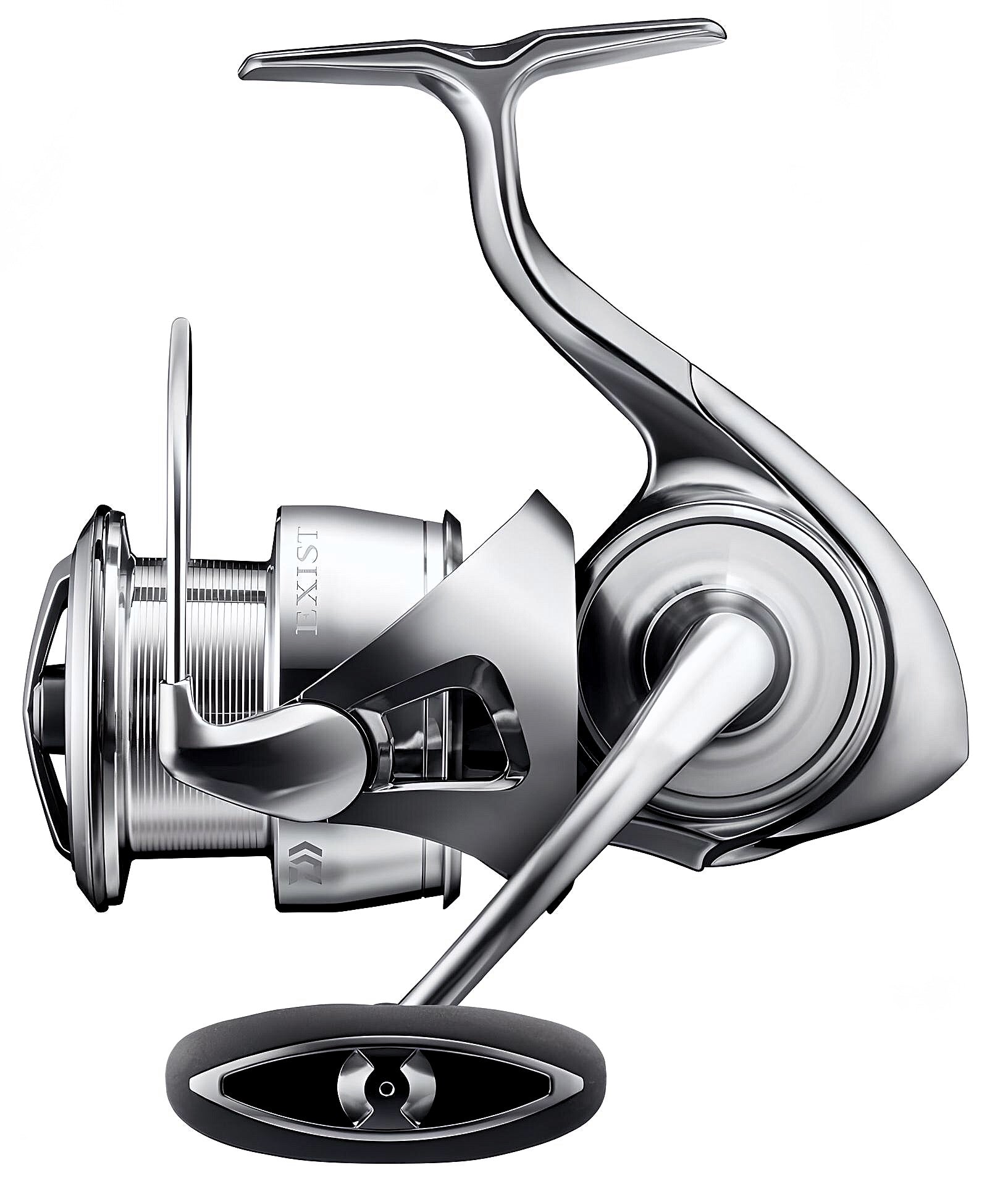
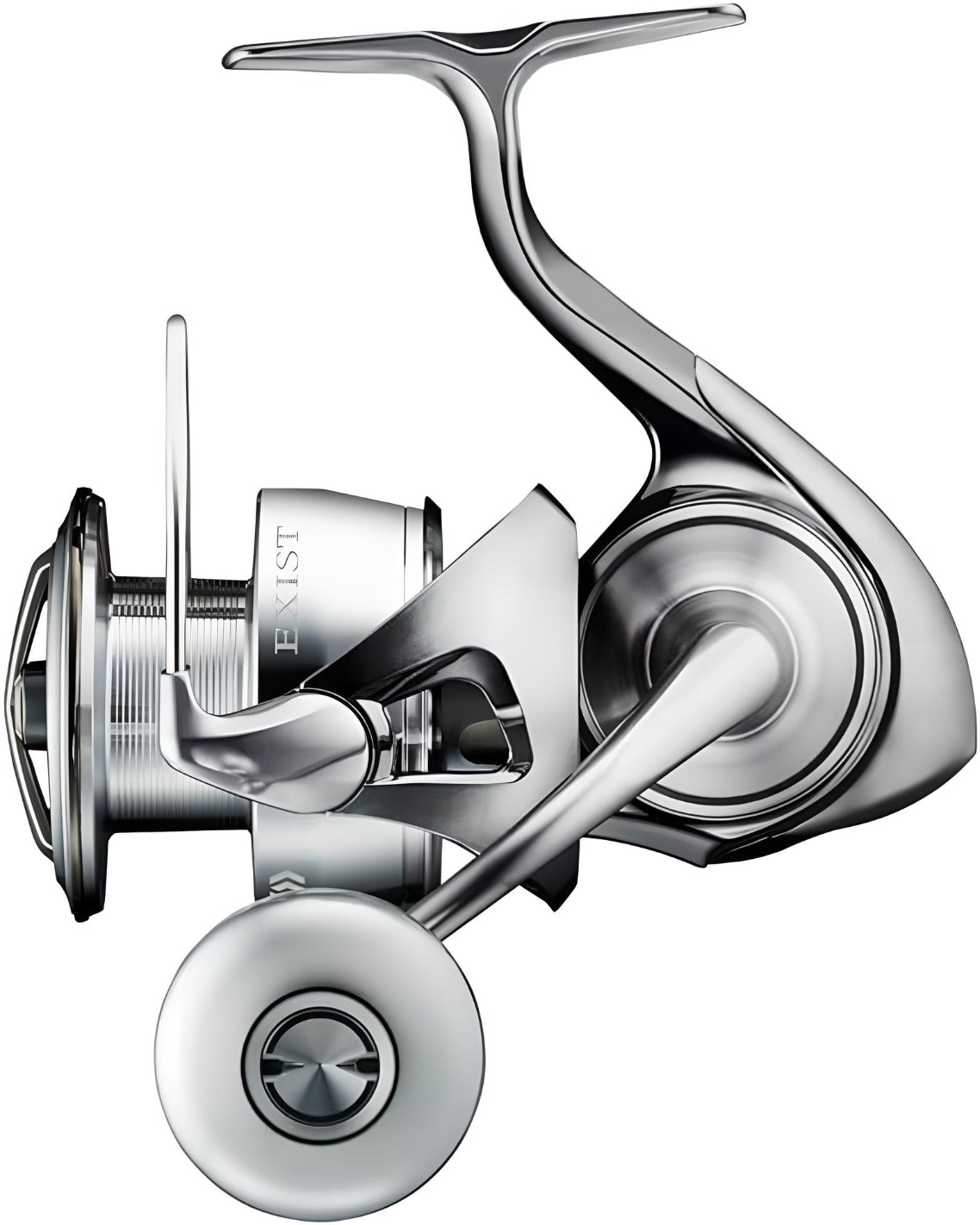
Daiwa LT sizes use a more finely stepped range of spool diameters in the representative 2022 Exist family: 42 mm, 45 mm, 48 mm, 51 mm and 54 mm across the LT2000 through LT5000 examples. S identifies a shallow spool, D a deeper spool and C a compact-body arrangement where the suffix is used.
PC means Power Custom. Daiwa describes PC LT2500 as combining a 2500-class rotor and spool with a body one size larger. This is a particularly clear example of why the spool number and the drive-train platform are separate questions.

Shop the Gear
Representative architecture comparison
The figures below are for exact 2022 Exist and 2022 Stella models. They illustrate the architecture; they are not universal conversions for every Daiwa or Shimano series. Braid strengths are approximate conversions from the Japan-market capacity notation, and real line diameter varies by product and construction.
Representative Metric Comparison
| Model | Spool diameter | Weight | Pickup / crank | Braid capacity | Architecture note |
|---|---|---|---|---|---|
| Daiwa LT2500S | 45 mm | 160 g | 72 cm | 12 lb / 200 m | Shallow-spool LT2500 |
| Daiwa PC LT2500 | 45 mm | 175 g | 73 cm | 16 lb / 200 m | 2500 spool class, larger power body |
| Daiwa LT3000S | 48 mm | 180 g | 77 cm | 16 lb / 200 m | Shallow-spool LT3000 |
| Daiwa PC LT3000 | 48 mm | 190 g | 77 cm | 20 lb / 200 m | 3000 spool class, larger power body |
| Shimano C2500S | 44 mm | 175 g | 70 cm | 12 lb / 200 m; 16 lb / 150 m; 20 lb / 120 m | Compact 2500 group |
| Shimano 2500S | 47 mm | 205 g | 75 cm | 12 lb / 200 m; 16 lb / 150 m; 20 lb / 120 m | 47 mm shallow-spool group |
| Shimano C3000MHG | 47 mm | 210 g | 86 cm | 20 lb / 190 m; 24 lb / 150 m; 30 lb / 120 m | Same diameter, medium-depth spool |
| Shimano 4000M | 52 mm | 260 g | 87 cm | 24 lb / 250 m; 30 lb / 200 m; 40 lb / 150 m | 52 mm medium-depth group |
| Shimano C5000XG | 52 mm | 260 g | 101 cm | 30 lb / 400 m; 40 lb / 300 m; 55 lb / 200 m | Same diameter, deeper spool and faster gearing |
Specifications in Pounds, Yards & Inches
| Model | Spool diameter | Weight | Pickup / crank | Braid capacity | Architecture note |
|---|---|---|---|---|---|
| Daiwa LT2500S | 1.77 in | 5.6 oz | 28.3 in | 12 lb / 219 yd | Shallow-spool LT2500 |
| Daiwa PC LT2500 | 1.77 in | 6.2 oz | 28.7 in | 16 lb / 219 yd | 2500 spool class, larger power body |
| Daiwa LT3000S | 1.89 in | 6.3 oz | 30.3 in | 16 lb / 219 yd | Shallow-spool LT3000 |
| Daiwa PC LT3000 | 1.89 in | 6.7 oz | 30.3 in | 20 lb / 219 yd | 3000 spool class, larger power body |
| Shimano C2500S | 1.73 in | 6.2 oz | 27.6 in | 12 lb / 219 yd; 16 lb / 164 yd; 20 lb / 131 yd | Compact 2500 group |
| Shimano 2500S | 1.85 in | 7.2 oz | 29.5 in | 12 lb / 219 yd; 16 lb / 164 yd; 20 lb / 131 yd | 1.85 in shallow-spool group |
| Shimano C3000MHG | 1.85 in | 7.4 oz | 33.9 in | 20 lb / 208 yd; 24 lb / 164 yd; 30 lb / 131 yd | Same diameter, medium-depth spool |
| Shimano 4000M | 2.05 in | 9.2 oz | 34.3 in | 24 lb / 273 yd; 30 lb / 219 yd; 40 lb / 164 yd | 2.05 in medium-depth group |
| Shimano C5000XG | 2.05 in | 9.2 oz | 39.8 in | 30 lb / 437 yd; 40 lb / 328 yd; 55 lb / 219 yd | Same diameter, deeper spool and faster gearing |
Specification sources: Daiwa’s official 2022 Exist table, Shimano’s official 2022 Stella table and Shimano’s official 2026 spool-compatibility chart. Capacities remain approximate in practical use.
Why equal capacity does not mean equal reel
The C2500S and 2500S examples publish the same representative braid capacities, yet the spool diameters and total weights differ. Conversely, the Shimano 2500S and C3000MHG share a 47 mm spool diameter but use different spool depths and retrieve rates. Capacity, diameter and body must therefore be checked as separate fields.
The Daiwa comparison makes the body distinction equally visible. LT2500S and PC LT2500 use the same 45 mm spool diameter, but the Power Custom model is built around the larger-body concept and carries a different published capacity. The main “2500” label describes only part of the package.
A reliable model-selection workflow
- Choose the line strength and usable working length first.
- Filter by the exact published lb-m or lb-yd capacity.
- Compare spool diameter for line behavior and pickup potential.
- Read compact-body or Power Custom indicators and verify the generation.
- Compare actual pickup per crank rather than gear ratio alone.
- Check weight, handle length and drag specifications against the rod and expected load.
- Use official compatibility charts before assuming that spools or handles interchange.
The takeaway
A spinning-reel number is best treated as an index into a product family. The complete size is the combination of spool diameter, spool depth, body class and model suffixes. Once those fields are compared independently, apparent inconsistencies such as a compact 3000 or a Power Custom 2500 become logical engineering choices rather than confusing exceptions.
Editorial source note: This English article is a fact-based reconstruction of “スピニングリールの番手とスプール径とボディサイズ(シマノとダイワの比較)” published by T.Tの釣行記録. Unverified projections and subjective judgments were removed; representative specifications and compatibility relationships were checked against current manufacturer documentation.