¿Qué es el freno ATD de nueva generación de Daiwa? Explorando su atractivo y diferencias con el UTD
El sistema ATD (Automatic Tournament Drag) tiene un historial probado,
incluso logrando capturar un atún aleta amarilla de 104 kg desde la orilla.
El ATD está diseñado para ayudar a los pescadores no solo cuando luchan con peces tan grandes,
sino también con diversas especies, incluyendo lobinas, truchas y róbalos.
En este artículo,
presentaremos las características del ATD
y cómo se diferencia del UTD (Ultimate Tournament Drag) utilizado anteriormente.
La importancia del sistema de freno que debes volver a reconocer
Generalmente, muchas personas consideran que el freno es una función para "minimizar la rotura de la línea" durante la lucha con un pez.
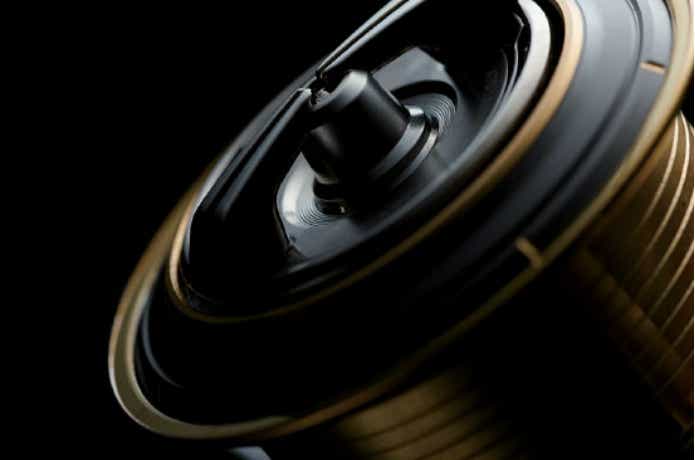
Por supuesto, el freno es un sistema crucial en términos de reducir la carga sobre la línea, pero también desempeña papeles importantes en el "enganche" y la "acción".
La importancia del freno en el enganche

Durante el enganche, el papel del freno es dispersar la fuerza cuando se realiza un golpe fuerte.
Naturalmente, si la fuerza se dispersa demasiado, el anzuelo no penetrará la boca del pez de forma segura, aumentando el riesgo de que el pez se escape.
Por el contrario, si el freno está demasiado apretado, puede causar un desgarro en la boca o en el cuerpo, lo que también lleva a perder el pez.
Por lo tanto, al ajustar el freno, es necesario un ajuste exquisito adaptado a la acción de la caña y al grosor de la línea.
La importancia del freno en la acción

A continuación, explicaremos el papel del freno en la acción del señuelo.
Por ejemplo, en Eging (pesca de calamares), puedes cambiar libremente la acción ajustando el freno. Al apretar el freno, la acción se vuelve más tensa y nítida, mientras que al aflojar el freno se permite una acción más suave y natural.
Así, incluso en términos de acción, el impacto del ajuste del freno en el "Egi" o señuelo es significativo.
La importancia del freno en la lucha con los peces
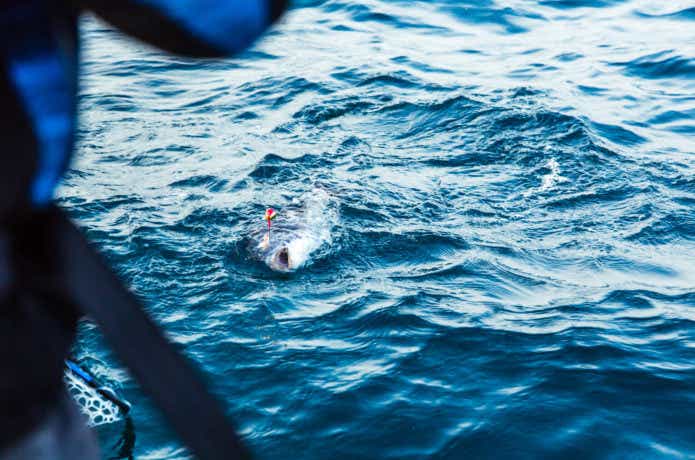
Finalmente, hablemos del papel del freno durante una pelea.
No hace falta decir que la configuración de tu freno debe tener en cuenta tanto la fuerza de tracción del pez objetivo como la resistencia de tu línea.
Además de eso, también es importante cambiar hábilmente entre una configuración de freno más ajustada y una más floja según lo exija la situación.
Por ejemplo, en áreas con mucha estructura donde existe riesgo de abrasión de la línea, necesitas una configuración de freno más ajustada para evitar que la línea se salga lo máximo posible.
En contraste, para peces como el róbalo que tienen una gran fuerza de natación y a menudo realizan saltos de cola, es necesaria una configuración de freno más floja para evitar perder la tensión de la línea.
Los ajustes del freno pueden cambiar tu tasa de captura
Como se ha mencionado, los ajustes del freno desempeñan un papel vital en el enganche, la acción y la lucha con los peces, requiriendo un ajuste óptimo.
Además, dependiendo del carrete, cuando se aplica una fuerza instantánea, la línea podría no salir a menos que se ejerza una fuerza que exceda la potencia de freno establecida.
Por lo tanto, para encontrar el mejor ajuste de freno, son indispensables la comprensión del carrete, el método de pesca, las características del pez objetivo y la experiencia real de pesca.
¡Innovación tecnológica de Daiwa! Evolución del UTD al ATD

Para lograr el mejor ajuste de freno, era necesario comprender sus diversas funciones y, en última instancia, la experiencia del pescador. Sin embargo, con el nacimiento del nuevo freno de Daiwa, ha sido posible minimizar estos ajustes.
Aquí, para ayudarte a comprender el proceso de evolución del freno de Daiwa, presentaremos en detalle la transición del antiguo sistema de freno "UTD" al nuevo sistema de freno "ATD" utilizado en los carretes modernos.
UTD (Ultimate Tournament Drag) con precisión mejorada

Desarrollado en 2010, UTD (Ultimate Tournament Drag) se refiere al sistema de freno que superó los altos estándares establecidos por Daiwa a partir de ese año.
Su característica principal es que resolvió significativamente el "tartamudeo en la salida de la línea" que ocurría al comienzo del enganche del freno —un problema hasta 2010—, permitiendo que la línea saliera de manera estable.
¡La nueva tecnología! ¡¡Cómo el ATD (Automatic Tournament Drag) es diferente!!

En 2015, basándose en el concepto "¿Cuál es el freno óptimo para los pescadores?", se revisó el UTD y se desarrolló el nuevo sistema de freno ATD (Automatic Tournament Drag). Este sistema de freno es el "sistema de freno moderno" adoptado en varios modelos, desde pequeños carretes de spinning hasta carretes eléctricos, a partir de 2018.
Un freno como una marcha automática
Como característica principal, cuando la línea se tira con mucha fuerza, la línea sale con una fuerza constante.
Por el contrario, cuando se aplica una fuerza suave, el freno se activa gradualmente, proporcionando "tenacidad". Esto redujo drásticamente la molestia para el pescador de tener que ajustar manualmente la configuración del freno realizada durante el enganche para que coincida con la tracción del pez durante todo el proceso hasta el aterrizaje.
Durabilidad abrumadora
Con los frenos convencionales, la potencia de frenado tendía a disminuir durante las peleas largas, pero el ATD puede mantenerla firmemente. Por lo tanto, en comparación con el pasado, ofrece la ventaja de avanzar las peleas con peces grandes de manera favorable. De hecho, utilizando este freno, existe un récord de haber capturado un atún aleta amarilla de 104 kg desde la orilla.
5 carretes Daiwa con ATD
Los carretes de spinning Daiwa equipados con sistemas de freno basados en ATD ahora están disponibles en una amplia gama de categorías, desde modelos ligeros para pesca fina hasta carretes versátiles más rígidos.
A partir de abril de 2026, una selección más actualizada se centra en los siguientes modelos actuales de la línea oficial de Daiwa.
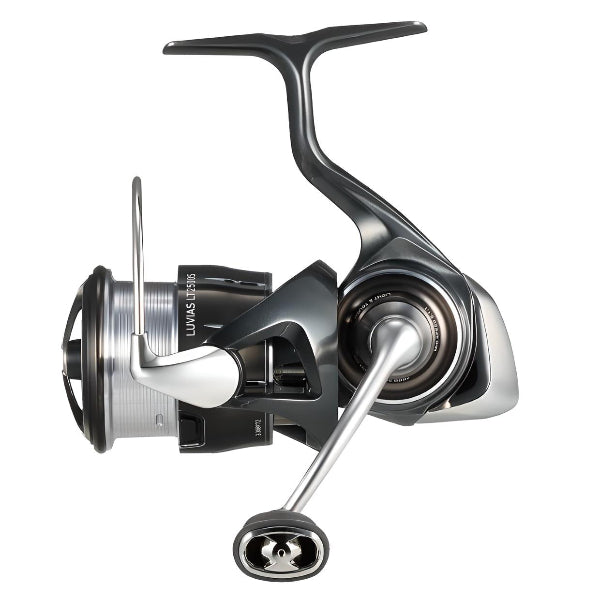
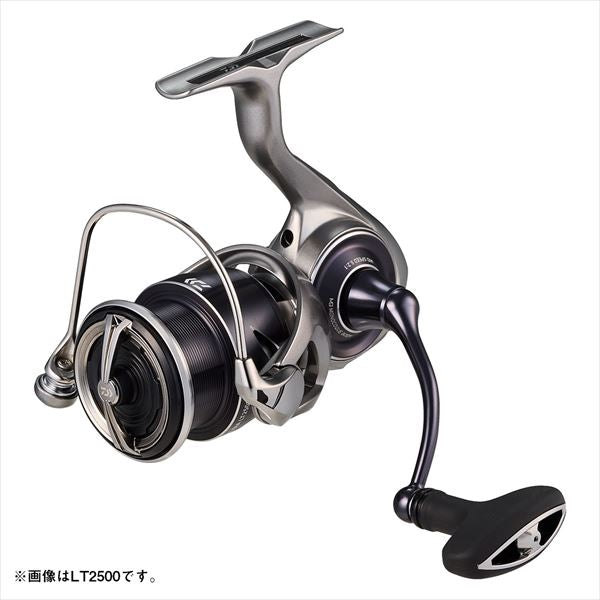
24 LUVIAS LT2500S
El 24 LUVIAS es uno de los carretes de spinning de gama media-alta de Daiwa, construido alrededor de un cuerpo y rotor ZAION.
En esta línea, se utiliza el ATD TYPE-L desde el LT2000S-P hasta el LT4000-XH, mientras que el tamaño 5000 utiliza el ATD Tough. El LT2500S es un modelo representativo muy versátil para la pesca de lobina, eging y aplicaciones de agua salada ligera.
Relación de engranajes: 5.1
Peso: 150 g
Freno máximo: 5 kg
Recuperación de línea por vuelta de manivela: 72 cm

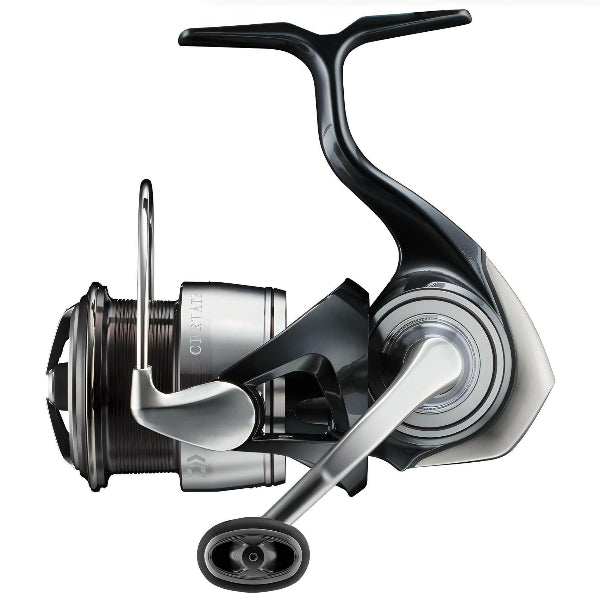
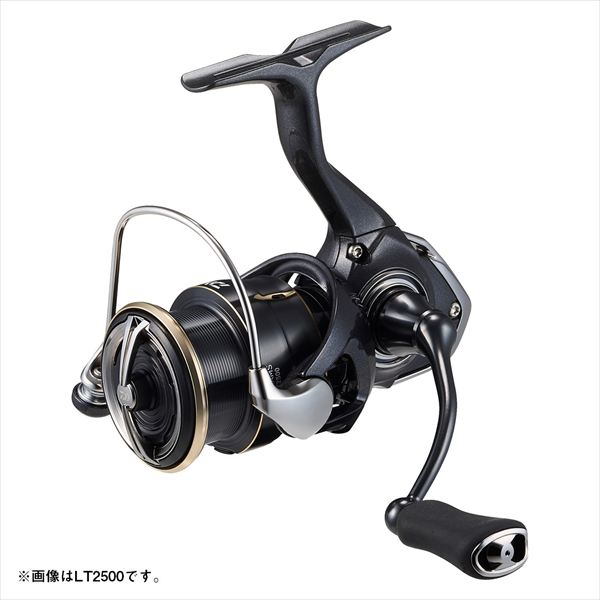
24 CERTATE FC LT2500S
El 24 CERTATE combina el diseño AirDrive con un cuerpo monocasco de aluminio totalmente metálico, lo que le confiere un carácter más rígido y duradero.
También utiliza ATD TYPE-L, y el FC LT2500S es una opción actual sólida para pescadores que desean un carrete compacto pero muy robusto para la pesca con señuelos versátiles.
Relación de engranajes: 5.1
Peso: 175 g
Freno máximo: 5 kg
Recuperación de línea por vuelta de manivela: 72 cm

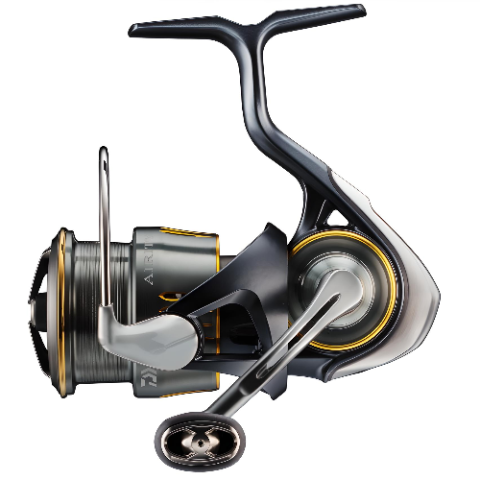
23 AIRITY LT2500S
El 23 AIRITY sigue siendo uno de los carretes de spinning ligeros de primera calidad de Daiwa, utilizando un cuerpo monocasco de magnesio y aún incorporando ATD TYPE-L.
El LT2500S mantiene el carrete en solo 150 g mientras mantiene un freno máximo de 5 kg, lo que lo convierte en un ejemplo actual destacado de un carrete de spinning de alta gama equipado con ATD.
Relación de engranajes: 5.1
Peso: 150 g
Freno máximo: 5 kg
Recuperación de línea por vuelta de manivela: 72 cm

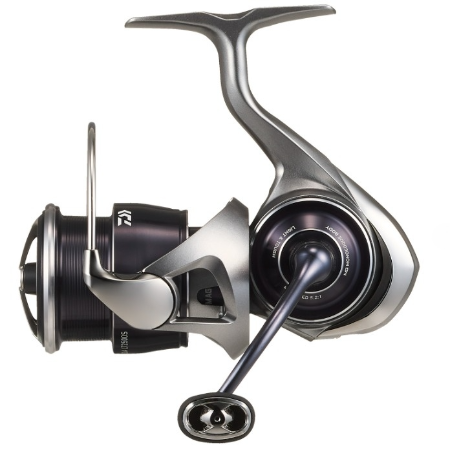
25 CALDIA FC LT2500S
El 25 CALDIA adopta ZAION V tanto para el cuerpo como para el rotor y utiliza ATD TYPE-L en tamaños desde el FC LT1000 hasta el LT4000-C.
El FC LT2500S es una opción práctica de gama media para los pescadores que desean el rendimiento de freno moderno de Daiwa y una configuración más ligera y compacta sin tener que subir al precio de los LUVIAS o CERTATE. Los modelos de tamaño 5000 en la misma familia pasan a utilizar el ATD Tough.
Relación de engranajes: 5.1
Peso: 170 g
Freno máximo: 5 kg
Recuperación de línea por vuelta de manivela: 72 cm

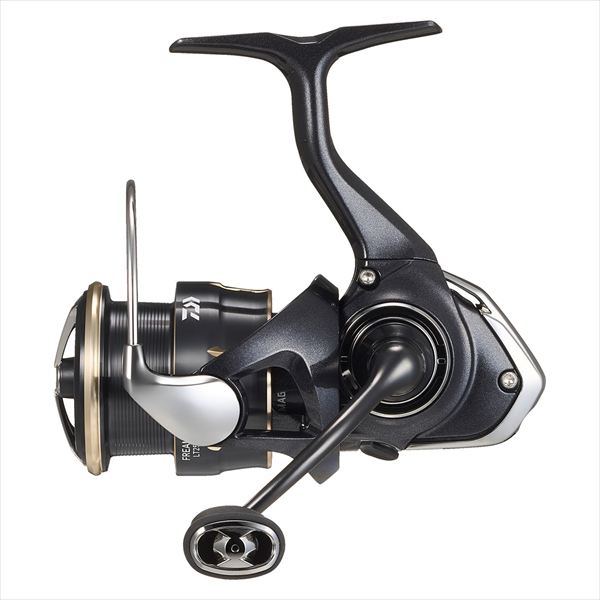
26 FREAMS LT2500
El 26 FREAMS es el carrete de spinning estándar global actual de Daiwa, recién actualizado con diseño AIRDRIVE, piñón MAGSEALED, TOUGH DIGIGEAR y ATD TYPE-L.
El LT2500 es un modelo de aplicación amplia adecuado tanto para agua salada como dulce, lo que lo convierte en uno de los puntos de entrada más claros para los pescadores que desean un carrete de spinning Daiwa moderno con un sistema de freno basado en ATD.
Relación de engranajes: 5.3
Peso: 195 g
Freno máximo: 10 kg
Recuperación de línea por vuelta de manivela: 75 cm

¡El ATD es el último sistema de freno de Daiwa amado por todos, desde principiantes hasta expertos!
Al usar el ATD, puedes minimizar los ajustes del freno desde el enganche hasta el desembarque. No solo los pescadores avanzados, que son exigentes con el manejo del freno, sino también los principiantes que carecen de confianza en los ajustes del freno, deberían probar definitivamente un carrete Daiwa equipado con ATD.