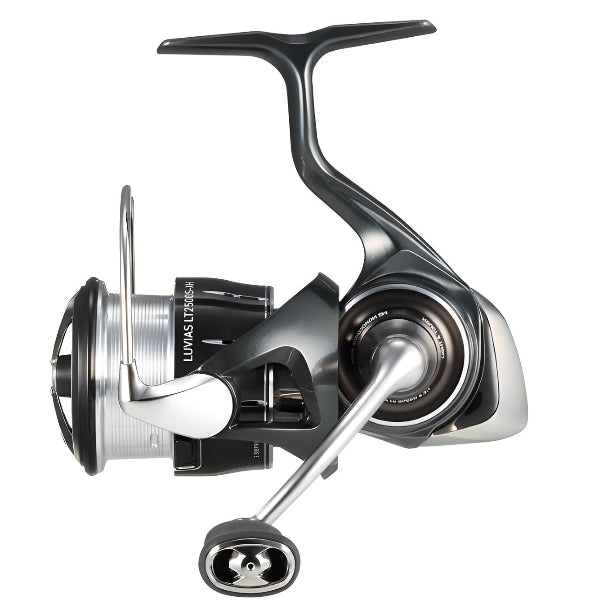
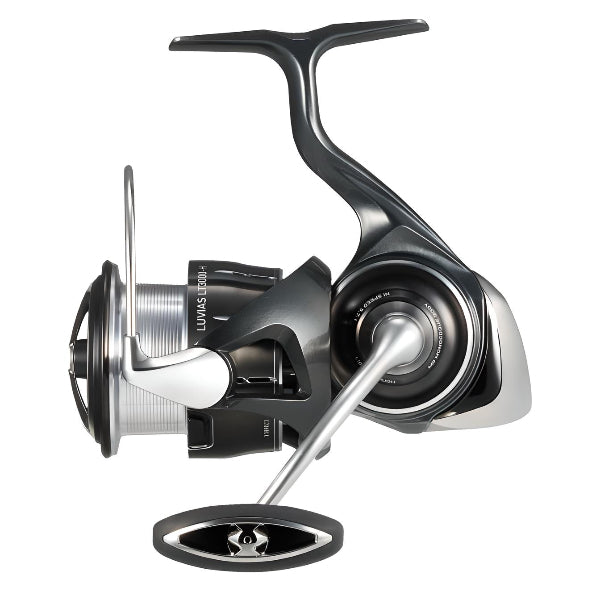
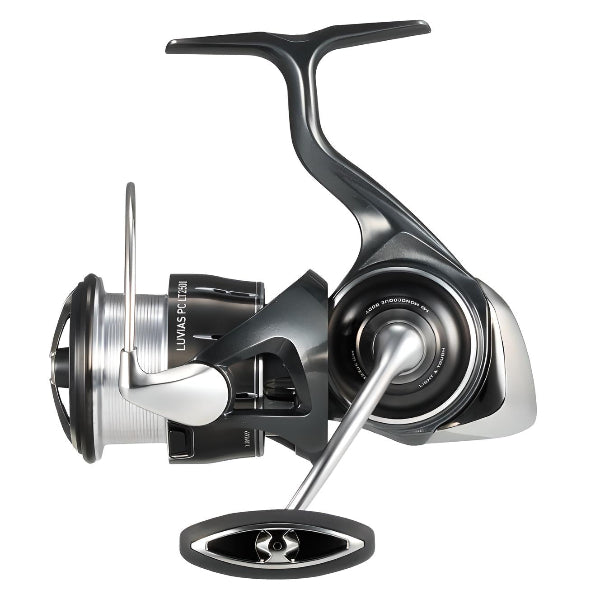
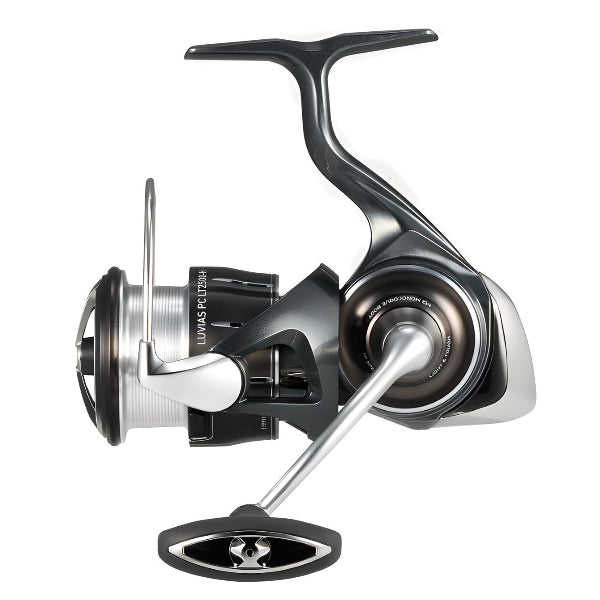
El Daiwa Luvias ha sido durante mucho tiempo un pilar en el mercado de carretes de spinning de gama media-alta, reconocido por su excepcional ligereza y fiabilidad. Cuando el Luvias 20 introdujo el cuerpo ZAION Monocoque (MQ), estableció un nuevo estándar de rigidez y ligereza.
Cuatro años más tarde, Daiwa ha lanzado el tan esperado Luvias 24.
Pero, ¿vale la pena la actualización? ¿Cuánto ha cambiado realmente?
En esta exhaustiva comparación, se examinan en detalle las diferencias clave entre el Daiwa Luvias 24 y su predecesor, el Luvias 20, desde las nuevas tecnologías y el rendimiento del freno hasta el ahorro de peso y la mecánica interna.

1. Renovación estética: del plata/oro al negro sigiloso
La diferencia más inmediata y llamativa entre los dos modelos es su apariencia.
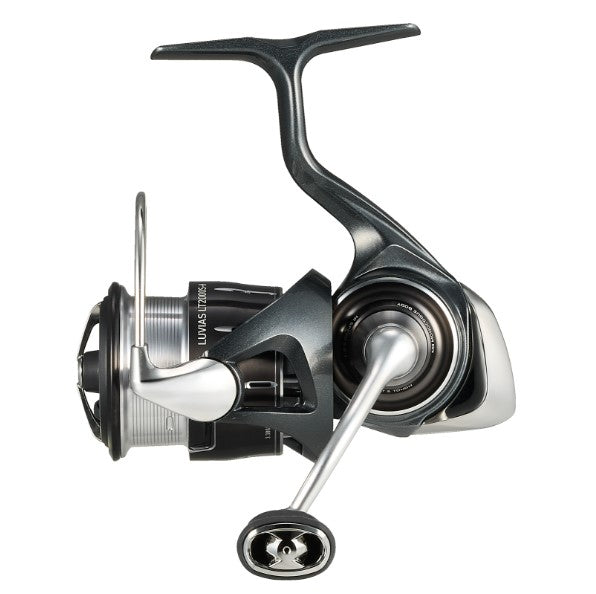
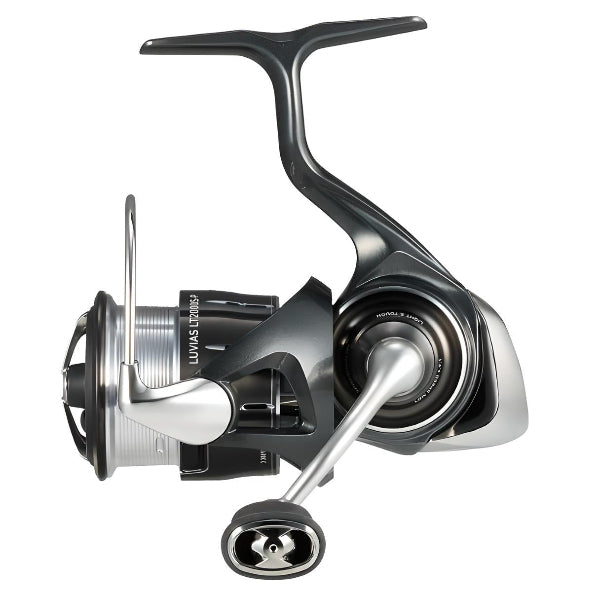
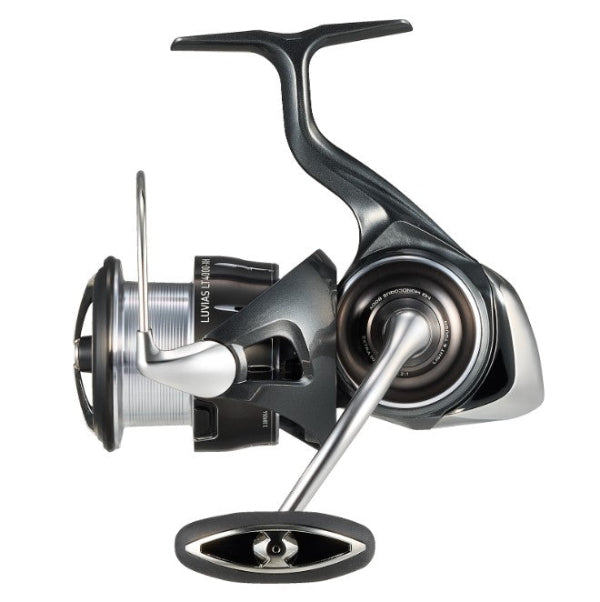
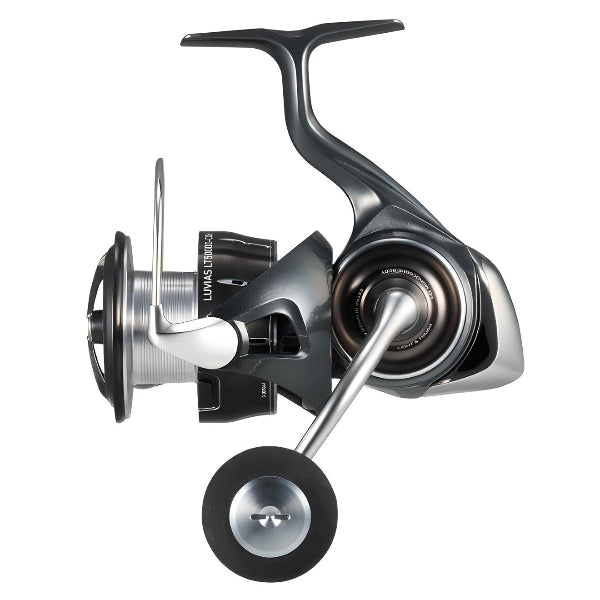
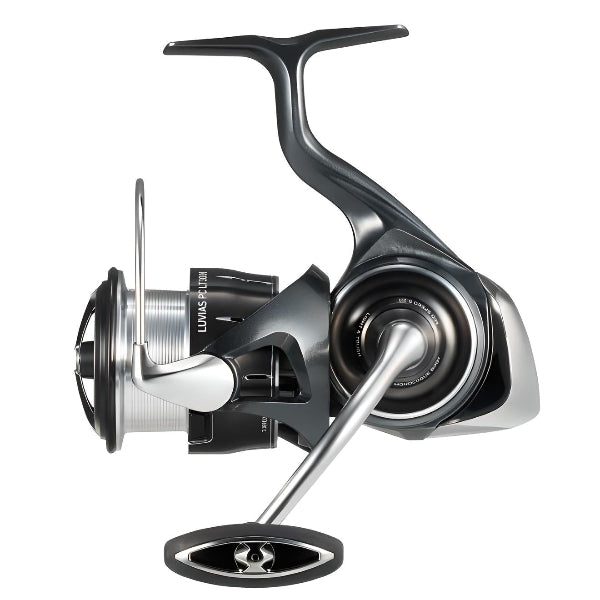
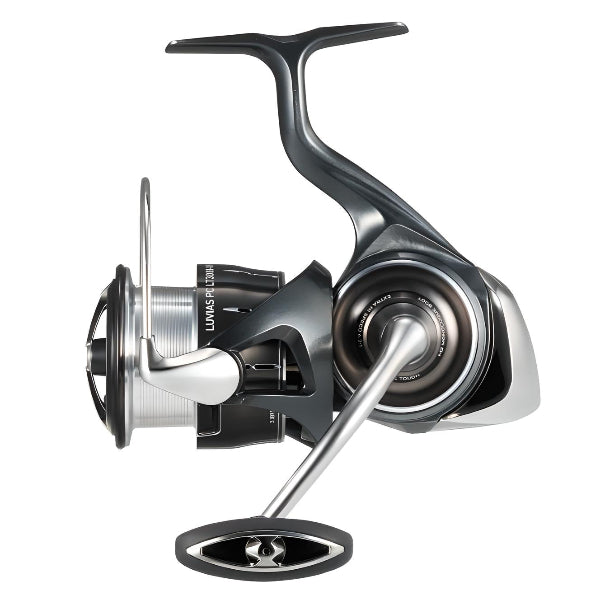
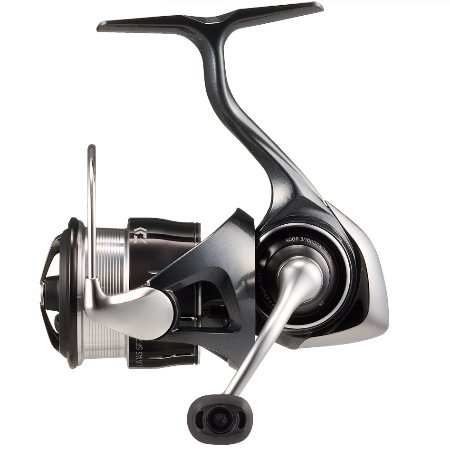
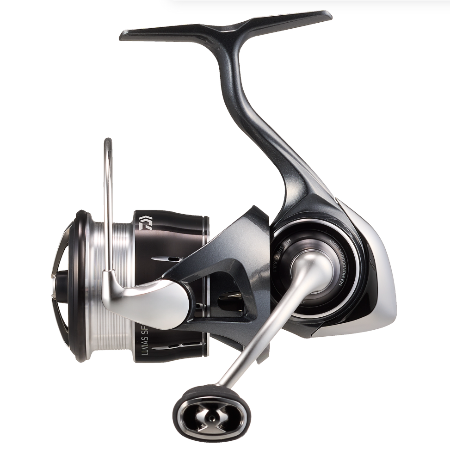
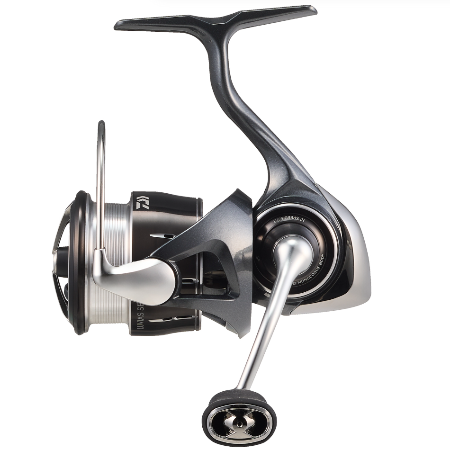
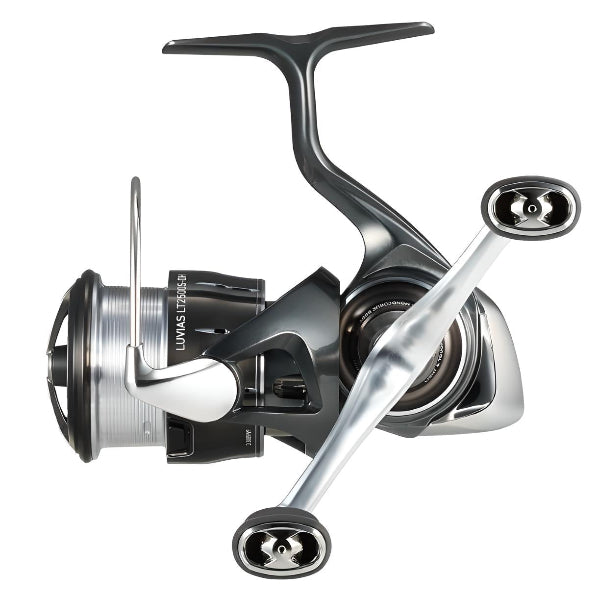
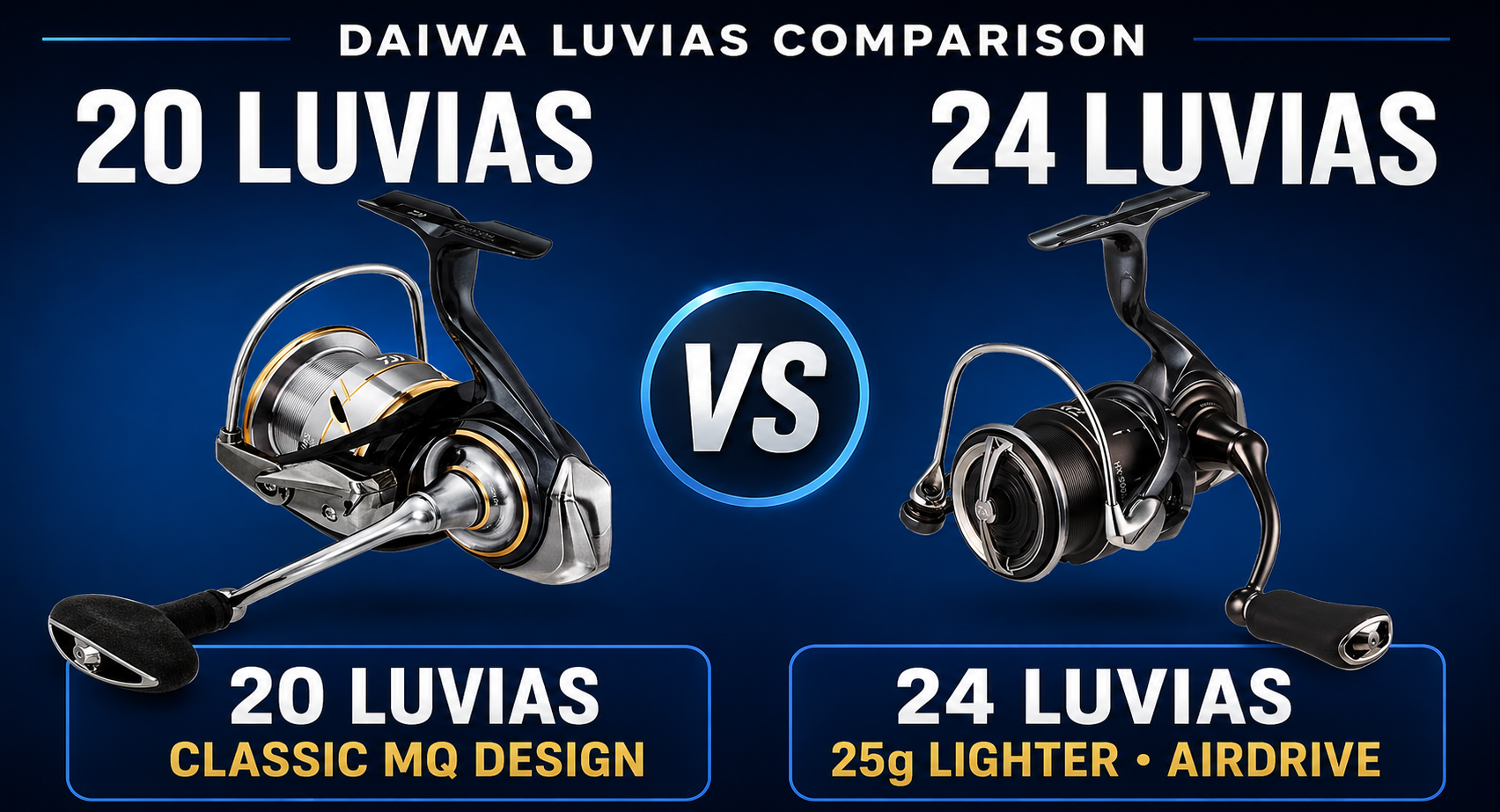
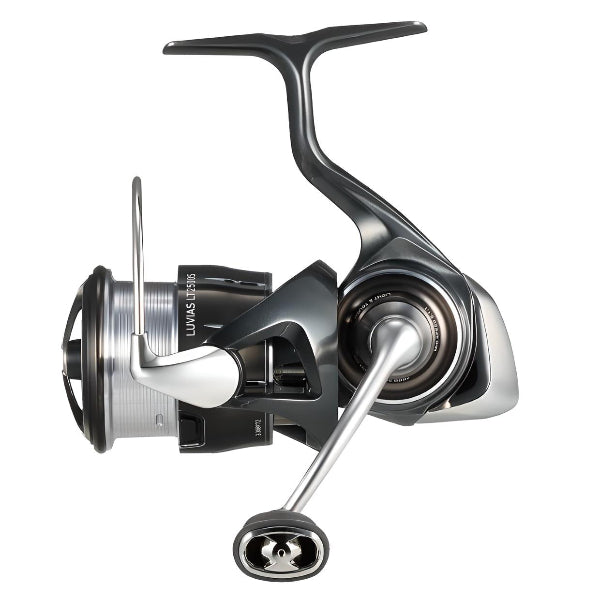
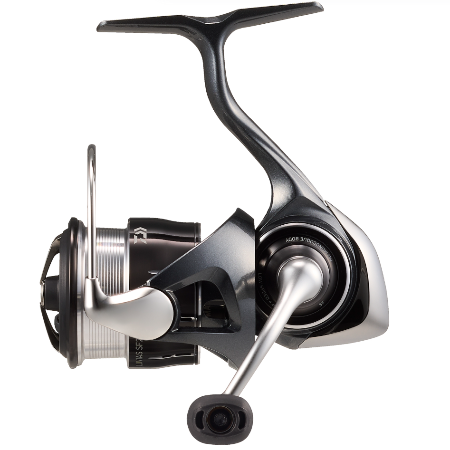
El Luvias 20 presentaba un cuerpo clásico plateado con detalles dorados, lo que le daba un aspecto tradicional y elegante que atraía a muchos pescadores. Por el contrario, el Luvias 24 ha experimentado una transformación visual completa. Ahora presenta un sigiloso acabado en gris oscuro y negro con solo mínimos detalles plateados, y el borde dorado se ha eliminado por completo.

DAIWA 2020 LUVIAS
Además de la estética, Daiwa también ha eliminado el interruptor antirretroceso en el Luvias 24. Esto refleja una tendencia más amplia que se observa en muchos carretes de alta gama modernos. El cambio cumple dos propósitos: crea un perfil más limpio y aerodinámico, y reduce el número de vías por las que el agua y la sal pueden entrar en el cuerpo. Como resultado, el carrete ofrece una mayor durabilidad y una mejor resistencia a las duras condiciones marinas.

DAIWA 2024 LUVIAS
2. La mejora principal: Airdrive Design
El salto tecnológico más significativo en el Luvias 24 es la implementación completa del Airdrive Design de Daiwa. Introducido por primera vez en el buque insignia 22 Exist, esta filosofía de diseño consta de cuatro tecnologías interconectadas destinadas a proporcionar el máximo control de rotación y una sensación casi ingrávida durante la recogida.

Airdrive Rotor
El nuevo rotor mantiene la rigidez del anterior rotor ZAION a la vez que consigue una reducción significativa de peso mediante un concepto de diseño esférico. Esta menor inercia del rotor crea una sensación de arranque excepcionalmente ligera y mejora en gran medida la sensibilidad de la recogida. Cambios sutiles en la corriente, la composición del fondo e incluso picadas ligeras se vuelven mucho más fáciles de detectar a través de la manivela.

Airdrive Bail
El aro de fianza se ha hecho más delgado para reducir aún más el peso de rotación sin dejar de mantener la fuerza necesaria para el uso real. Además, el ángulo optimizado del aro de fianza reduce en gran medida los enredos de la línea durante el lanzamiento y la recuperación, ofreciendo un beneficio práctico que los pescadores de finesse apreciarán de inmediato.
Airdrive Spool
El carrete adopta un diseño de pared delgada y presenta una estructura de ranura asimétrica dentro del cuerpo del carrete. Esto no solo reduce el peso, sino que también disminuye la resistencia inicial del freno, lo que permite que el freno comience a deslizarse de forma más suave y reactiva desde el primer momento de presión. Un carrete más ligero también mejora el equilibrio general del carrete y contribuye a un sistema de freno más sensible.

Airdrive Shaft
Este sistema crea una estructura casi sin contacto entre el eje principal y el piñón al soportar el piñón con rodamientos de bolas y el eje principal con collares. Como resultado, se elimina el contacto directo metal con metal, lo que conduce a menos ruido bajo cargas ligeras y una potencia de arranque significativamente mayor bajo cargas pesadas. En concepto, esto es comparable a las tecnologías X-SHIP e Infinity Drive de Shimano.
Con estos cuatro componentes Airdrive trabajando juntos, el Luvias 24 es aproximadamente 25 g más ligero que el Luvias 20 en el tamaño 2500. Esto reduce en gran medida el desequilibrio de la punta y mejora el equilibrio general de la caña durante largas sesiones de pesca.
3. Evolución del sistema de freno: ATD TYPE-L
Mientras que el Luvias 20 utilizaba el altamente valorado ATD (freno automático), el Luvias 24 ha sido actualizado a ATD TYPE-L, el mismo sistema de freno que se encuentra en el buque insignia 22 Exist.
ATD TYPE-L está diseñado para ofrecer un rendimiento de freno aún más suave al inicio. Ayuda a suprimir el aumento repentino de la resistencia del freno que puede ocurrir durante una picada fuerte o cuando un pez grande realiza una carrera repentina. Este deslizamiento inicial excepcionalmente suave es especialmente importante para proteger líneas finas como PE 0.4 o 0.6, que se utilizan comúnmente en estilos orientados a la delicadeza como el ajing, el mebaring y el eging ligero.
El sistema ATD del Luvias 20 ya era muy capaz, pero el ATD TYPE-L lleva ese rendimiento un paso más allá en términos de refinamiento y fiabilidad.
Nota: El modelo más grande de la línea, el LT5000D-CXH, está equipado con ATD TOUGH que utiliza arandelas de carbono. Esta versión es más adecuada para aplicaciones de agua salada de servicio pesado, como jigging de orilla ligero y pesca de surfcasting.

4. Engranajes mejorados y materiales del eje principal
La mecánica interna también ha recibido refinamientos sutiles pero importantes, destinados a mantener un rendimiento suave y durabilidad durante muchos años de uso.
Engranaje Tough Digigear + Tratamiento especial de superficie: Ambos modelos están equipados con engranajes Tough Digigear mecanizados de Extra Super Duraluminio mediante forjado en frío y mecanizado de precisión. Sin embargo, en el Luvias 24, los modelos de alta velocidad (H) y extra alta velocidad (XH) reciben un tratamiento especial de endurecimiento de la superficie en los engranajes. Esto mejora aún más la dureza de la superficie y la resistencia al desgaste, especialmente para los pescadores que prefieren velocidades de recogida más rápidas.
Materiales optimizados del eje principal por tamaño: Daiwa ahora selecciona el material del eje principal de acuerdo con la función prevista de cada tamaño de carrete. Los tamaños más pequeños, de 1000 a 2500, utilizan un eje de aluminio ultraligero para priorizar la reducción de peso. Mientras tanto, los tamaños medianos y grandes, de PC3000 a 5000, utilizan un eje de acero inoxidable (SUS) para enfatizar la rigidez y la transmisión de potencia bajo cargas más pesadas.

5. Twist Buster III
El Luvias 24 también cuenta con un sistema de rodillo de línea mejorado con Twist Buster III. Este diseño revisado elimina los enredos de línea de manera más efectiva a medida que la línea pasa a través del rodillo durante la recogida, lo que ayuda a reducir los nudos de viento y los enredos de línea.
Esta mejora es especialmente valiosa para los pescadores que utilizan líneas PE ultrafinas en aplicaciones de delicadeza, donde el manejo de la línea puede tener un gran impacto tanto en el rendimiento de lanzado como en la facilidad de uso general.

Comparación completa de especificaciones: Luvias 24 vs. Luvias 20
Para poner todas las mejoras en perspectiva, aquí hay una comparación directa del popular tamaño LT2500S-XH junto con las diferencias clave de las características en toda la línea.
| Especificación | 24 Luvias LT2500S-XH | 20 Luvias LT2500-XH |
|---|---|---|
| Material del cuerpo | ZAION Monocoque (MQ) | ZAION Monocoque (MQ) |
| Concepto de diseño | Airdrive Design | Concepto LT / Cuerpo MQ |
| Peso | 150 g | 175 g |
| Sistema de freno | ATD TYPE-L | ATD |
| Relación de engranajes | 6.2:1 | 6.2:1 |
| Recogida de línea por vuelta | 87 cm | 87 cm |
| Rodamientos (Bolas / Rodillo) | 9 / 1 | 9 / 1 |
| Capacidad de línea (PE) | 0.6-200 m | 0.8-200 m / 1.0-190 m |
| Freno máximo | 5 kg | 10 kg |
| Rotor | Airdrive Rotor (ZAION) | Rotor ZAION |
| Rodillo de línea | Twist Buster III | Twist Buster II |
| Eje principal | Aluminio | No se ha revelado oficialmente |
| Engranaje | Tough Digigear | Tough Digigear |

¿Quién debería elegir el Luvias 24?
El Luvias 24 es una elección ideal para los pescadores que dan la máxima prioridad a un peso ultraligero, alta sensibilidad y un rendimiento de freno suave. Está especialmente indicado para las siguientes aplicaciones.
Pesca de jurel y peces de roca: Su rotación de arranque excepcionalmente ligera y su mayor sensibilidad en la recogida lo hacen muy eficaz para detectar picadas sutiles al usar pequeños jigs.
Eging ligero: El freno ATD TYPE-L ayuda a proteger las líneas PE finas durante las carreras repentinas, mientras que el cuerpo ligero reduce la fatiga durante los trabajos repetidos con la caña.
Pesca de trucha: En la pesca de trucha, tanto el control preciso del freno como la alta sensibilidad son esenciales, y el Luvias 24 rinde muy bien en ambos aspectos.
Jigging ligero de orilla (hasta tamaño 4000): Los modelos PC (Power Custom) ofrecen un eje principal más fuerte y una mayor capacidad de freno, lo que los hace más adecuados para objetivos de tamaño mediano.
Para los pescadores que actualmente utilizan el Luvias 20 y ya están satisfechos con su rendimiento, el cambio al Luvias 24 sigue representando una mejora significativa en lugar de una pequeña actualización. La reducción de peso de 25 g, la mayor sensibilidad que aporta el Airdrive Design y el rendimiento mejorado del sistema de freno ATD TYPE-L se combinan para ofrecer una clara mejora en el rendimiento real de la pesca.
Conclusión
El Daiwa Luvias 24 es mucho más que una actualización estética o una pequeña mejora. Al incorporar el Airdrive Design y el sistema de freno ATD TYPE-L, ambos heredados del buque insignia Exist, ofrece un nuevo nivel de ligereza, sensibilidad y comodidad operativa para un carrete de esta clase.
El Luvias 20 ya era un carrete excelente, pero el Luvias 24 se establece claramente como un nuevo referente en rendimiento ligero en la categoría de carretes de spinning de gama media-alta.
Para los pescadores de finesse que desean un rendimiento ligero de primera categoría sin pasar a un modelo insignia, el Luvias 24 destaca como una de las opciones más atractivas a partir de 2024.