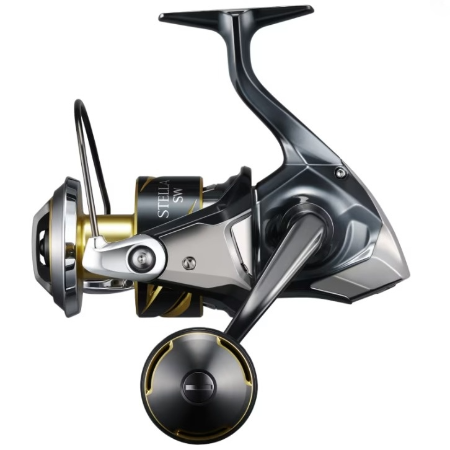
Magsealed vs X-Protect : Une comparaison technique des systèmes d'étanchéité de moulinets
Introduction
La pêche en eau salée expose les moulinets à des environnements hautement corrosifs, notamment les embruns salins, l'humidité et les particules en suspension dans l'air. Au fil du temps, ces éléments peuvent accélérer l'usure interne et compromettre l'intégrité mécanique.
Pour les pêcheurs qui exigent de la fiabilité dans des conditions côtières et hauturières exigeantes, des systèmes d'étanchéité efficaces et résistants à l'eau jouent un rôle essentiel dans le maintien des performances à long terme.
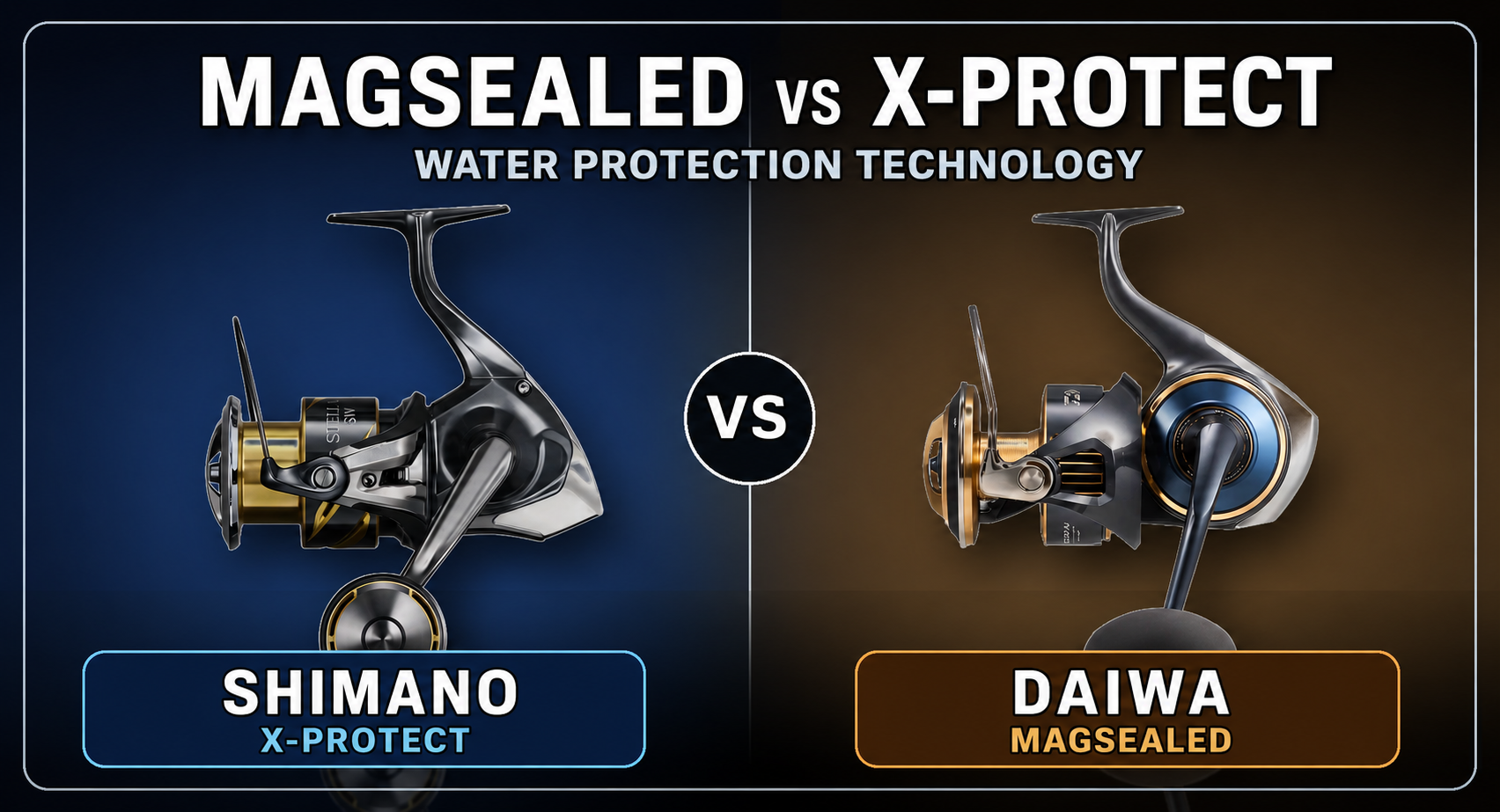
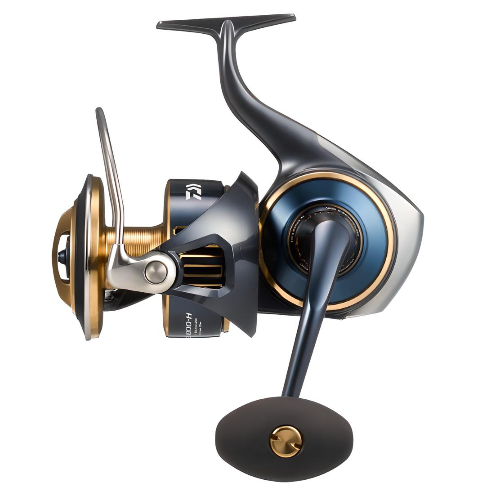
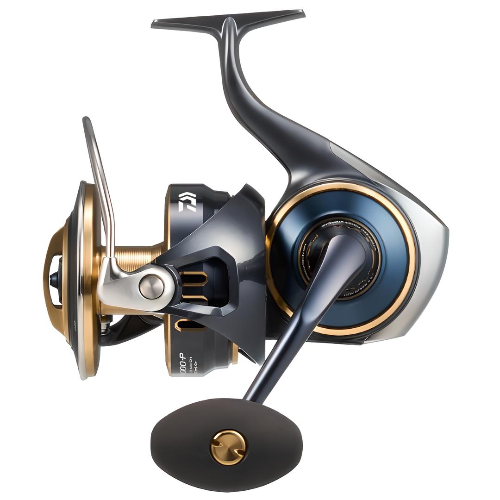
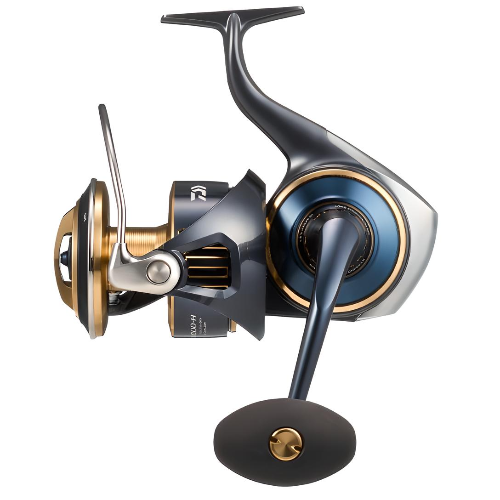
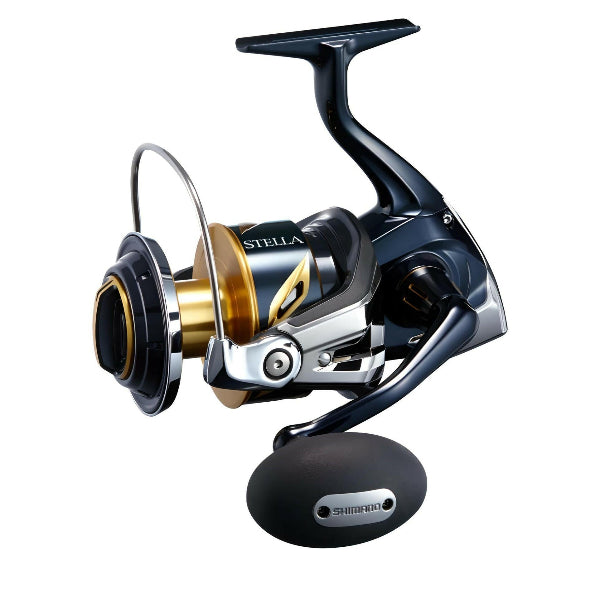
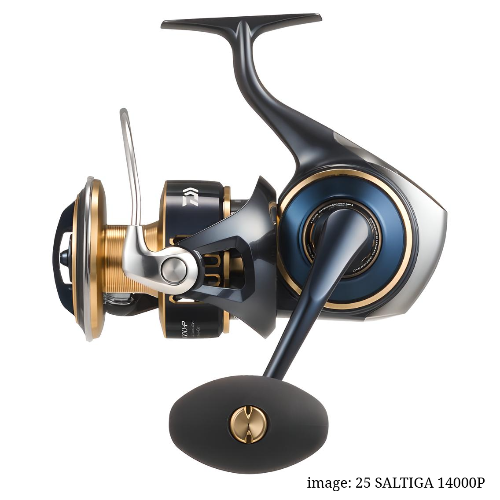
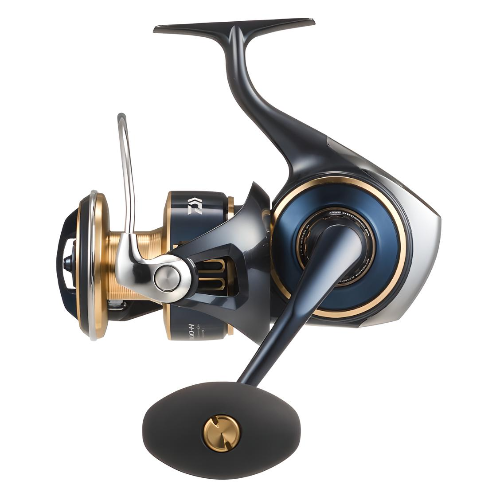
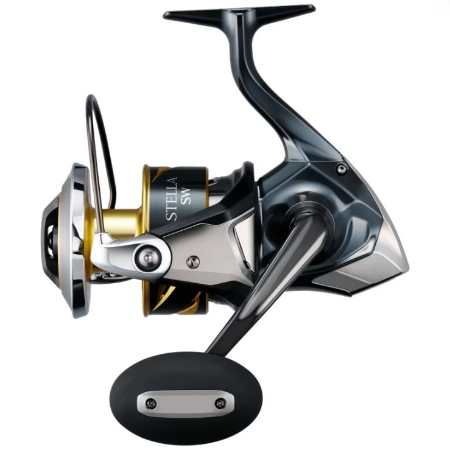
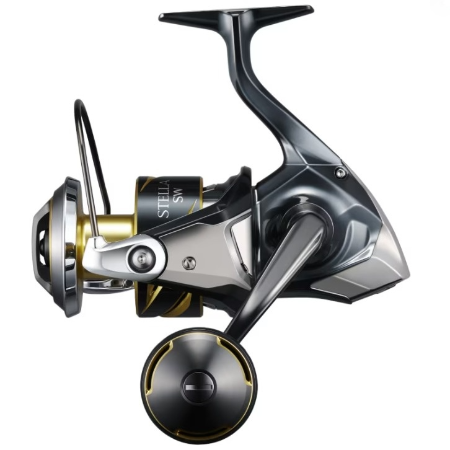
Les fabricants japonais Daiwa et Shimano ont chacun développé des approches propriétaires en matière de protection contre l'eau salée. Le système Magsealed de Daiwa utilise un ferrofluide magnétisé pour créer un joint liquide autour des points d'entrée clés, tandis que le X-Protect de Shimano emploie une structure en labyrinthe sans contact combinée à des principes de conception hydrofuges. Bien que les deux technologies visent à réduire l'intrusion d'eau, elles diffèrent fondamentalement en termes de philosophie de construction et de considérations de maintenance.
Cet article examine les concepts structurels derrière Magsealed et X-Protect, explorant la manière dont chaque système aborde la résistance à l'eau salée, la réparabilité et la fiabilité à long terme. Plutôt que de se concentrer sur les arguments marketing, nous analysons les différences d'ingénierie qui définissent leurs performances réelles.

Comprendre les technologies : Magsealed vs X-Protect
Daiwa Magsealed : Système d'étanchéité à fluide magnétique
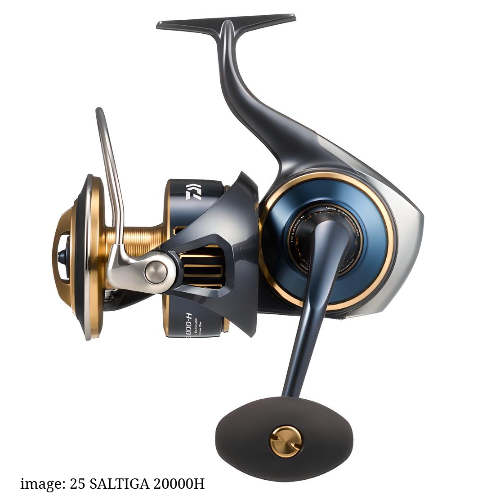
Le système Magsealed de Daiwa utilise un ferrofluide contrôlé magnétiquement pour former un joint dynamique autour des points d'entrée critiques tels que l'arbre principal et le galet. Plutôt que de s'appuyer sur des joints en caoutchouc traditionnels, Magsealed maintient une fine couche d'huile magnétique en place grâce à l'attraction magnétique.

Ce ferrofluide est un liquide spécialisé contenant des nanoparticules magnétiques en suspension dans l'huile. Lorsqu'il est exposé à un champ magnétique, il reste positionné précisément dans de petits interstices, contribuant à réduire la probabilité que l'eau, les embruns salins et la poussière pénètrent dans les composants internes. Comme le joint est maintenu par la force magnétique plutôt que par la compression mécanique, il minimise la résistance à la rotation par rapport aux joints de type contact conventionnels.
Magsealed est principalement conçu pour la protection contre les embruns salins et l'exposition environnementale plutôt que pour une immersion totale. Son efficacité dépend du maintien de l'intégrité de la couche de fluide magnétique, qui est généralement entretenue par des techniciens agréés.
Shimano X-Protect : Résistance à l'eau basée sur un labyrinthe
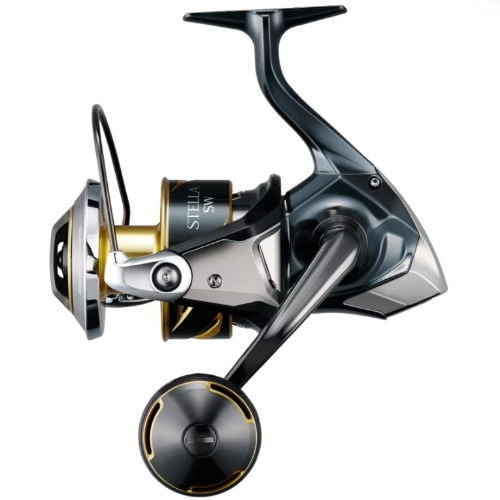
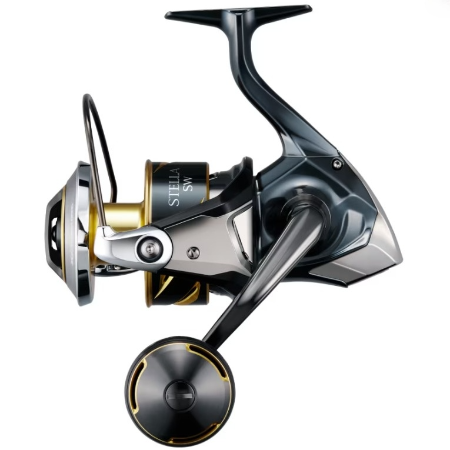
La technologie X-Protect de Shimano utilise une structure en labyrinthe sans contact pour réduire l'intrusion d'eau. Au lieu d'utiliser des joints liquides ou des joints de compression dans les zones critiques de rotation, X-Protect crée une série de chemins internes conçus avec précision qui rendent difficile le déplacement de l'eau vers les composants sensibles.

En combinant cette structure en labyrinthe avec des traitements de surface hydrofuges, Shimano améliore la résistance aux embruns salins tout en préservant une rotation fluide. Comme le système évite les joints liquides ou de type contact dans les zones rotatives clés, il privilégie une faible friction et une cohérence mécanique à long terme.
X-Protect est couramment mis en œuvre dans les moulinets spinning Shimano compatibles eau salée, où la fluidité et l'efficacité restent des priorités de conception centrales.
Shimano X-Shield : Étanchéité structurelle pour les environnements difficiles
En plus de X-Protect, Shimano utilise X-Shield sur certains modèles orientés vers le large. X-Shield utilise des structures d'étanchéité physiques telles que des joints et des interfaces de corps précisément ajustées pour augmenter la résistance aux éclaboussures directes de vagues et à une forte exposition à l'eau.
Alors que X-Protect se concentre sur le maintien d'une rotation fluide avec une résistance minimale, X-Shield renforce la protection structurelle dans les zones soumises à une pression d'eau plus élevée.

Durée de vie et performances à long terme des systèmes d'étanchéité
Ni Magsealed ni X-Protect ne sont conçus pour assurer une étanchéité permanente. Les deux systèmes sont principalement conçus pour résister aux embruns salins, à l'humidité environnementale et aux contaminants aéroportés, plutôt qu'à une immersion prolongée.
Dans le cas du Magsealed de Daiwa, l'efficacité du joint dépend de l'intégrité de la couche de ferrofluide contrôlée magnétiquement. Lors d'une utilisation prolongée, en particulier dans des environnements d'eau salée difficiles, la contamination ou le déplacement de ce fluide magnétique peut réduire son efficacité d'étanchéité. Étant donné que Magsealed repose sur un ferrofluide positionné avec précision, l'entretien nécessite généralement une maintenance de niveau usine pour restaurer les performances optimales.
Le X-Protect de Shimano, en revanche, repose sur des chemins labyrinthiques structurels combinés à des principes de conception hydrofuges. Comme il ne dépend pas d'un milieu d'étanchéité liquide, ses performances sont principalement liées à l'intégrité mécanique des tolérances internes et des traitements de surface. Au fil du temps, une forte exposition à l'eau salée et un entretien inapproprié peuvent réduire la résistance globale à l'eau, bien que la structure de labyrinthe principale fasse partie de la conception physique du moulinet.
En pratique, les deux systèmes sont très efficaces contre les éclaboussures et l'exposition environnementale lorsqu'ils sont correctement entretenus. Cependant, aucun des deux n'est destiné à une immersion répétée, et la durabilité à long terme dépend finalement des habitudes d'utilisation, des habitudes de nettoyage et de l'entretien périodique.
Plutôt que de considérer ces technologies comme des solutions d'étanchéité permanentes, il est préférable de les comprendre comme des systèmes avancés de résistance à l'eau qui nécessitent un entretien responsable pour maintenir une protection maximale.
Considérations de maintenance : Philosophie et accessibilité de l'entretien
L'une des différences pratiques entre Magsealed et X-Protect réside dans leur approche de l'entretien et leur philosophie de maintenance.
Daiwa Magsealed : Conception orientée service agréé
Les systèmes Magsealed reposent sur un ferrofluide positionné avec précision et maintenu par une force magnétique. Comme cette huile magnétique doit être appliquée dans des conditions contrôlées, l'entretien nécessite généralement un centre de service agréé Daiwa. Le ferrofluide utilisé dans les systèmes Magsealed n'est généralement pas disponible pour les consommateurs, et un démontage incorrect des zones scellées peut compromettre l'intégrité de la barrière magnétique.
Par conséquent, l'entretien des composants Magsealed est souvent pris en charge par le fabricant plutôt que par l'utilisateur. Le nettoyage externe de routine reste simple, mais la restauration interne du joint est conçue pour être gérée professionnellement.
Shimano X-Protect : Résistance à l'eau basée sur la structure
Le système X-Protect de Shimano ne dépend pas de milieux d'étanchéité liquides. Au lieu de cela, il repose sur des structures en labyrinthe et des principes de conception résistants à l'eau. Dans de nombreux moulinets spinning Shimano, les zones couramment entretenues telles que les galets et les roulements accessibles peuvent être nettoyées et relubrifiées par les utilisateurs en suivant les pratiques d'entretien standard.
Étant donné que X-Protect est intégré structurellement plutôt que dépendant d'un fluide, l'entretien de base tel que l'élimination du sel, le nettoyage et le regraissage ne nécessite généralement pas la restauration d'un milieu d'étanchéité spécialisé. Cependant, comme pour tout moulinet d'eau salée, un entretien professionnel peut toujours être recommandé périodiquement pour garantir des performances optimales à long terme.
Tableau comparatif : Daiwa Magsealed vs Shimano X-Protect
| Caractéristique |
Daiwa Magsealed |
Shimano X-Protect |
| Mécanisme d'étanchéité |
Ferrofluide contrôlé magnétiquement formant un joint liquide dynamique aux points d'entrée clés |
Structure en labyrinthe sans contact combinée à des principes de conception résistants à l'eau |
| Conception de résistance à l'eau |
Conçu pour résister aux embruns salins et à l'humidité environnementale ; non destiné à une immersion totale |
Conçu pour réduire l'intrusion d'eau par des chemins structurels ; non destiné à une immersion totale |
| Résistance à la poussière |
Aide à réduire l'entrée de poussière et de fines particules grâce à une barrière de fluide magnétique |
La structure en labyrinthe aide également à limiter l'entrée de poussière et de débris |
| Impact sur la rotation |
Le joint liquide sans compression minimise le contact mécanique et la résistance à la rotation |
La conception structurelle sans contact privilégie une rotation fluide sans étanchéité à base de fluide |
| Performances à long terme |
L'efficacité du joint dépend du maintien de l'intégrité du ferrofluide ; l'entretien est généralement effectué par des centres agréés |
Les performances dépendent des tolérances structurelles et des traitements de surface ; la durabilité est influencée par l'utilisation et l'entretien |
| Maintenance utilisateur |
Les zones d'étanchéité internes sont généralement entretenues par des techniciens agréés ; le nettoyage externe de routine est accessible à l'utilisateur |
De nombreux composants accessibles de l'extérieur peuvent être nettoyés et relubrifiés par les utilisateurs en suivant les pratiques d'entretien standard |
| Entretien professionnel |
Recommandé pour la restauration du fluide magnétique dans les zones scellées |
Un entretien professionnel périodique est recommandé pour une utilisation à long terme en eau salée |
| Accessibilité du service |
Les zones Magsealed nécessitent des conditions d'entretien contrôlées |
Le système basé sur la structure ne dépend pas du réapprovisionnement en joint liquide |
| Utilisation recommandée |
Environnements d'eau salée avec une exposition fréquente aux embruns et un besoin de protection de l'arbre étanche |
Environnements d'eau salée où la rotation fluide et la résistance structurelle à l'eau sont prioritaires |
Comparaison spécifique au galet
Le galet est l'un des composants les plus exposés sur un moulinet spinning, ce qui le rend particulièrement vulnérable aux embruns salins, aux fines particules et à la corrosion au fil du temps. Comme il tourne constamment sous charge, même une contamination mineure peut affecter la douceur et la durabilité à long terme. Daiwa et Shimano intègrent des mesures de protection dans ce domaine, mais leurs approches d'ingénierie diffèrent.
Galet Daiwa Magsealed :
Sur les modèles équipés de Magsealed, Daiwa applique un ferrofluide contrôlé magnétiquement autour des points d'entrée désignés dans l'ensemble du galet. Cette huile magnétique forme une barrière liquide dynamique qui aide à réduire la probabilité que l'eau et les contaminants atteignent les composants internes. Contrairement aux joints en caoutchouc traditionnels, le système repose sur la force magnétique pour maintenir la position du fluide dans des interstices précis.

La protection Magsealed est principalement conçue pour résister aux embruns salins et à l'exposition environnementale plutôt qu'à une immersion totale. Comme pour tout composant exposé à l'eau salée, l'efficacité dépend d'un rinçage et de pratiques d'entretien appropriés. Comme la restauration de la couche de fluide magnétique nécessite une application contrôlée, l'entretien des zones Magsealed est généralement effectué par des techniciens agréés.
Certains pêcheurs choisissent de modifier ou de retirer les composants Magsealed pour simplifier l'auto-entretien, mais de telles modifications peuvent altérer les performances d'étanchéité d'origine du moulinet et peuvent affecter la couverture de la garantie du fabricant.
Galet Shimano X-Protect :
Le système X-Protect de Shimano protège le galet par une structure en labyrinthe sans contact combinée à des traitements de surface résistants à l'eau. Plutôt que de s'appuyer sur des milieux d'étanchéité liquides, cette conception augmente la complexité du chemin d'entrée, rendant plus difficile l'atteinte des roulements internes par l'eau.

Sur de nombreux modèles de moulinets spinning Shimano, l'ensemble du galet peut être démonté pour le nettoyage et la lubrification selon les procédures d'entretien standard. Cela permet aux pêcheurs d'éliminer les dépôts de sel et les débris dans le cadre de l'entretien de routine.
En pratique, un rinçage régulier et une lubrification périodique sont essentiels, quelle que soit la technologie d'étanchéité. Ni Magsealed ni X-Protect n'éliminent le besoin d'un entretien responsable lors de la pêche en eau salée.
Recommandations pratiques pour les pêcheurs en eau salée
Le choix entre les systèmes Magsealed de Daiwa et X-Protect de Shimano dépend finalement de votre style de pêche, de vos préférences d'entretien et de vos attentes en matière de service.
-
Les pêcheurs qui apprécient un système d'étanchéité à base de fluide aux points d'entrée clés et qui sont à l'aise avec un entretien pris en charge par le fabricant peuvent trouver les moulinets équipés de Magsealed attrayants. L'efficacité du joint de fluide magnétique dépend du maintien de son état optimal, et la restauration nécessite généralement un service agréé.
-
Ceux qui préfèrent effectuer eux-mêmes le nettoyage et la lubrification de routine peuvent apprécier la conception X-Protect de Shimano. Sur de nombreux modèles, les composants accessibles tels que les galets peuvent être entretenus selon des procédures standard, permettant aux pêcheurs de traiter l'accumulation de sel dans le cadre de l'entretien régulier.
-
Quelle que soit la technologie d'étanchéité, les deux systèmes sont conçus pour résister aux embruns salins et à l'exposition environnementale, et non à une immersion totale. Le rinçage des moulinets à l'eau douce après chaque sortie en mer et un entretien périodique restent des pratiques essentielles.
-
Dans les environnements avec du sable fin ou de lourds débris en suspension dans l'air, un nettoyage minutieux est particulièrement important. Alors que Magsealed utilise une barrière liquide à des points d'entrée spécifiques et que X-Protect repose sur des chemins structurels pour limiter l'intrusion, aucun système n'élimine la nécessité d'un entretien préventif.
-
La durabilité à long terme dépend moins de la philosophie d'étanchéité spécifique et plus de l'utilisation responsable, des habitudes de nettoyage et de l'entretien périodique, qu'il soit effectué par l'utilisateur ou par des techniciens agréés.
En fin de compte, Magsealed et X-Protect représentent des approches avancées en matière de résistance à l'eau. Le meilleur choix n'est pas déterminé uniquement par la technologie, mais par la manière dont le moulinet s'aligne avec votre style d'entretien et vos conditions de pêche.
Conclusion
Le Magsealed de Daiwa et le X-Protect de Shimano représentent deux philosophies d'ingénierie distinctes en matière de protection des moulinets d'eau salée.
Magsealed utilise un ferrofluide contrôlé magnétiquement pour créer une barrière liquide dynamique aux points d'entrée critiques. Cette approche met l'accent sur les zones d'arbre étanches et la résistance à l'exposition environnementale, l'entretien étant généralement effectué par des techniciens agréés.
X-Protect, en revanche, repose sur une structure en labyrinthe sans contact combinée à des principes de conception résistants à l'eau. Son système basé sur la structure privilégie une performance de rotation fluide tout en permettant un entretien de routine des composants accessibles sur de nombreux modèles.
Aucun système n'est conçu pour une immersion totale, et les deux sont principalement conçus pour résister aux embruns salins, à l'humidité et aux contaminants aéroportés. Les performances à long terme dépendent fortement des conditions d'utilisation, des habitudes de rinçage et de l'entretien périodique, plutôt que de la seule technologie d'étanchéité.
Pour les pêcheurs en eau salée, le choix entre Magsealed et X-Protect est moins une question de supériorité absolue que d'adéquation avec les préférences d'entretien. Les pêcheurs à l'aise avec un entretien pris en charge par le fabricant peuvent apprécier l'approche d'étanchéité à base de fluide de Magsealed, tandis que ceux qui préfèrent un entretien pratique peuvent privilégier l'accessibilité structurelle de X-Protect.
En fin de compte, un rinçage constant à l'eau douce, un nettoyage minutieux et un entretien responsable restent les facteurs les plus importants pour préserver la durabilité et les performances de tout moulinet d'eau salée.