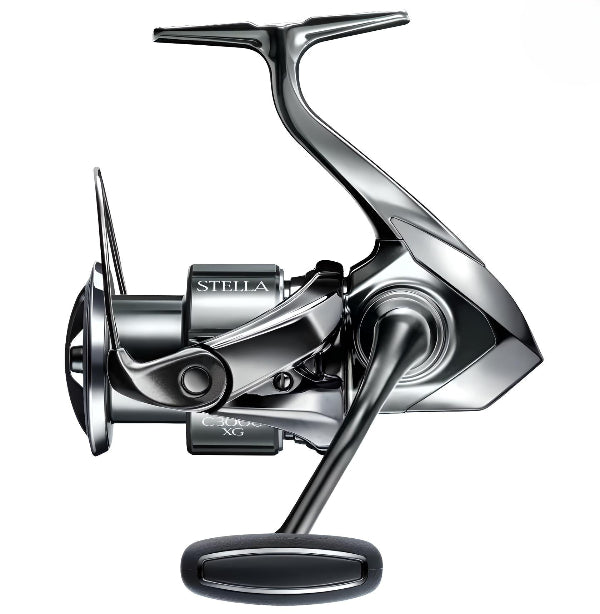
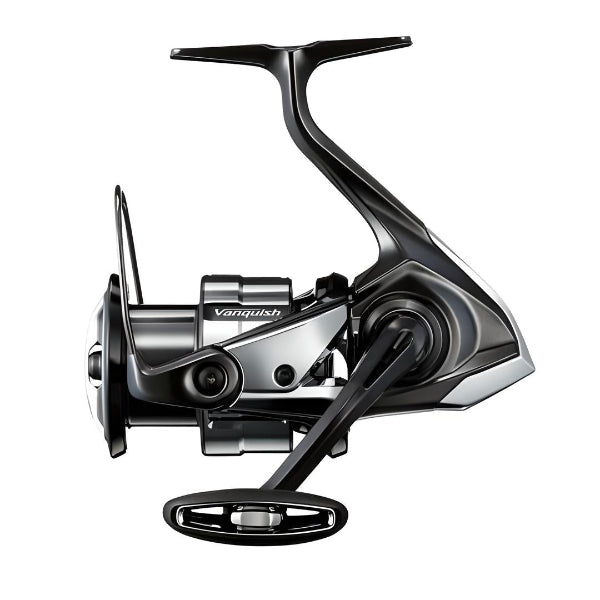
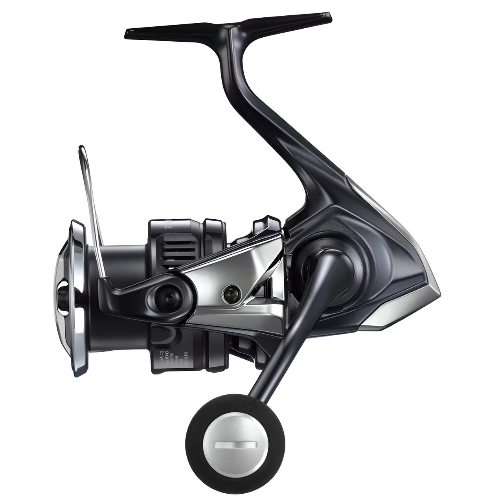
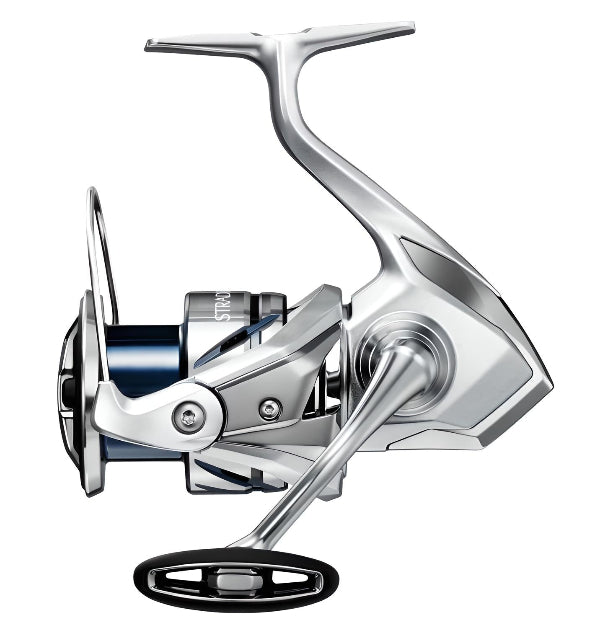
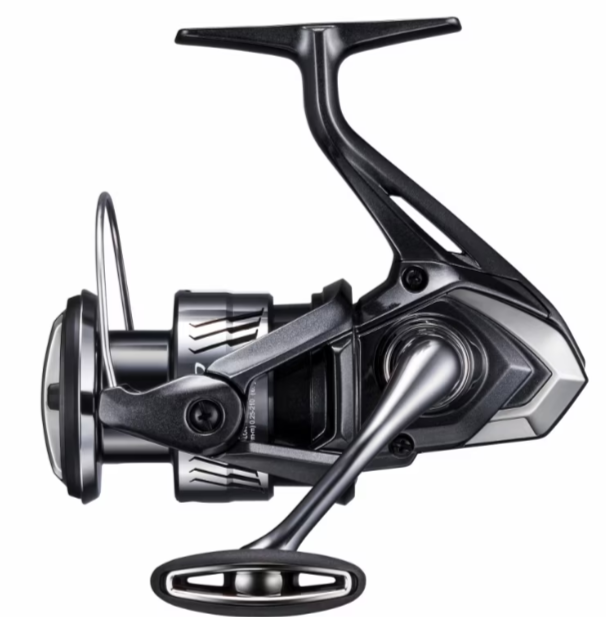
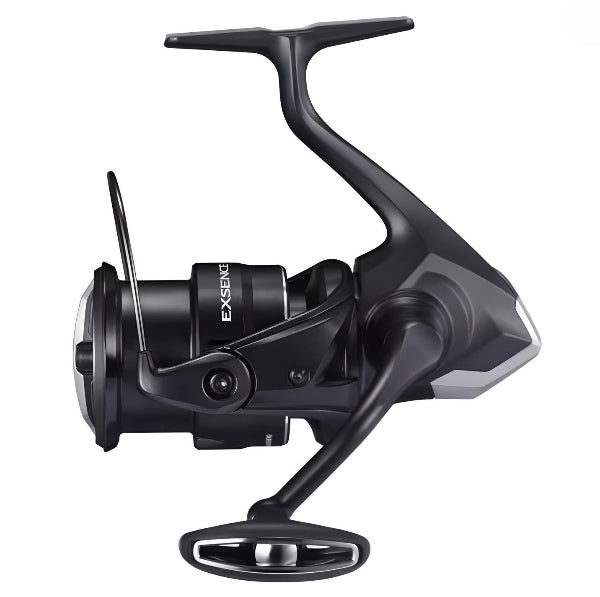
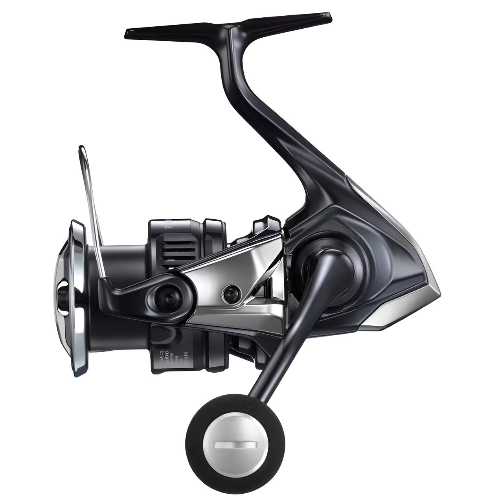
Shimano MGL rotor versus CoreSolid rotor is not a simple light-versus-strong ranking. It is a choice between two deliberate kinds of rotational feel. CoreSolid uses a rigid rotor with moderate inertia to maintain smooth momentum, while MagnumLite uses a low-inertia CI4+ MGL rotor to start, stop, and change speed with less effort.
The right choice depends on how the lure is worked. An angler who makes long, steady retrieves may prefer the calm continuity of CoreSolid. Someone who repeatedly shakes, twitches, pauses, or changes retrieve speed may get more from the immediate response of MGL.
The Short Answer
Choose CoreSolid when sustained winding, a damped feel, and rotor rigidity are central to the technique. Choose MGL when quick start-stop response and fine control of lure movement matter more. Neither series is universally superior, and rotor concept should be considered alongside body construction, gearing, drag, spool, sealing, reel mass, and rod balance.

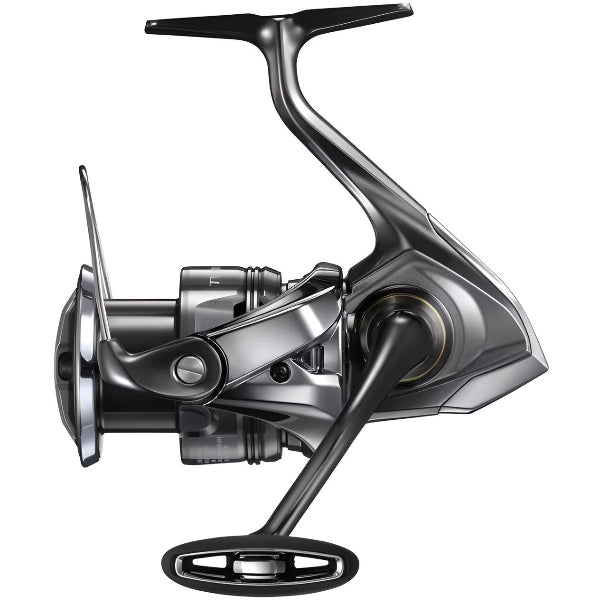
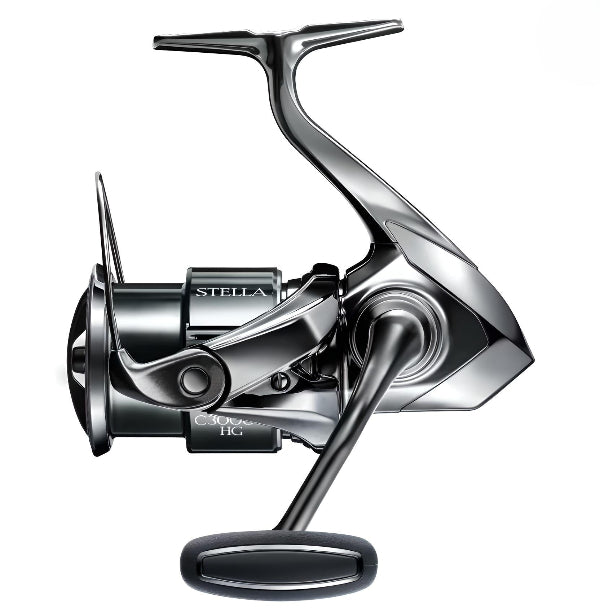
24 Shimano Twin Power C3000, a CoreSolid example with a metal rotor. 
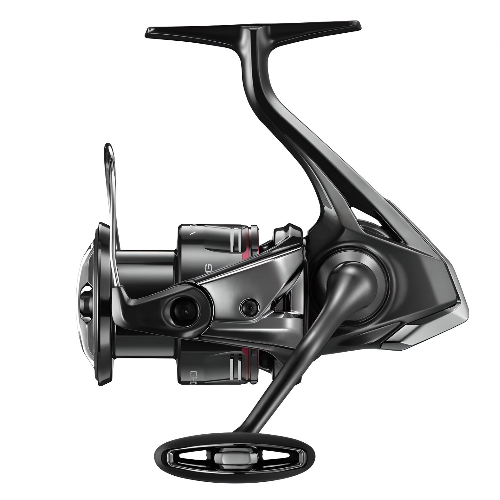
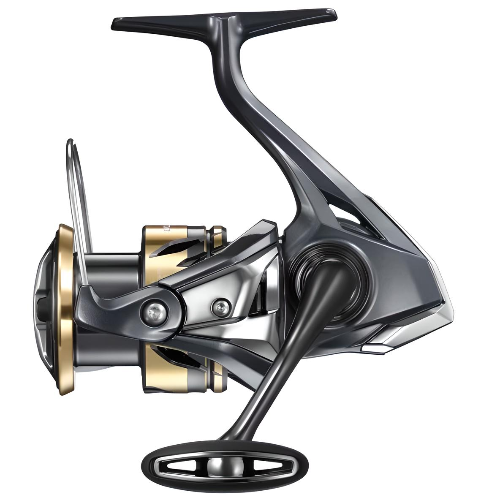
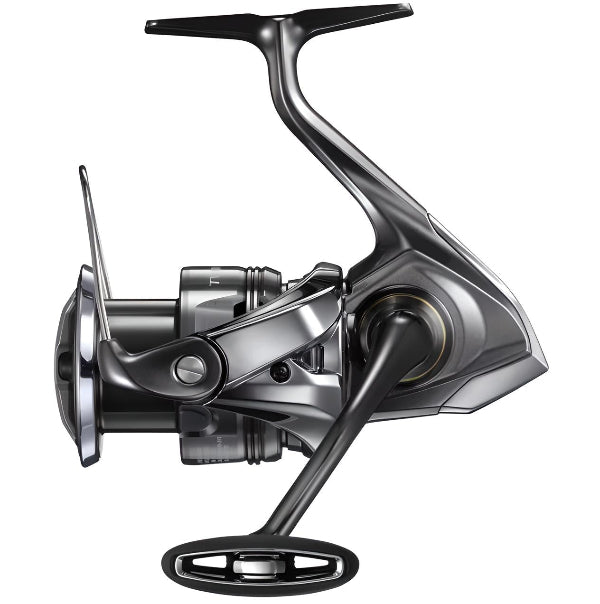
24 Shimano Vanford C3000HG, a MagnumLite example with a CI4+ MGL rotor.
Why the Rotor Changes Reel Feel
The rotor turns around the stationary spool and carries the bail that lays line. Because it repeatedly accelerates, rotates, and decelerates, its mass distribution and rigidity directly affect how quickly the handle responds. Shimano uses this component as the main dividing line between CoreSolid and MagnumLite.
Rotational inertia is different from total reel weight. A complete reel can feel well balanced on a rod yet still have a responsive low-inertia rotor, or it can be light overall while retaining a steadier rotational character. The rotor is one moving subsystem, not the entire reel.
CoreSolid: Momentum and Continuous Winding
Shimano describes CoreSolid rotors as high-rigidity designs made from metal or high-strength resin, depending on the model. Their moderate inertia helps the rotor continue turning once it is in motion. That flywheel-like continuity can feel smooth and settled during long, consistent retrieves.
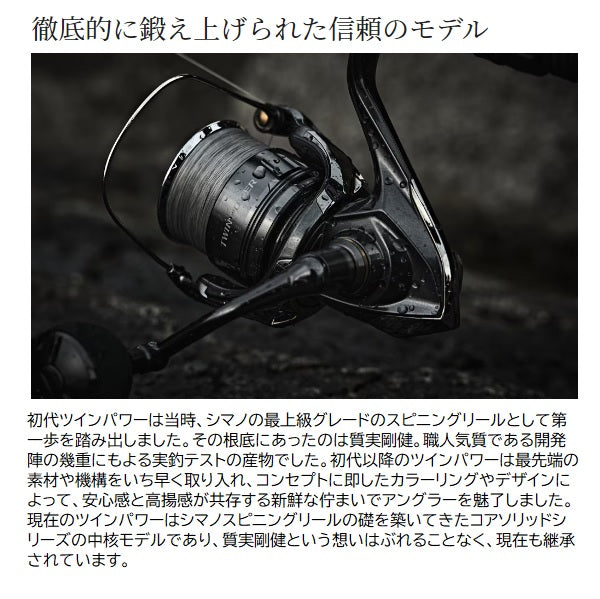
Stella and Twin Power use metal rotors within the CoreSolid family. Shimano says the rigidity limits rotor flex under heavy load and supports hook-setting and drag consistency. Other CoreSolid reels can use high-strength resin, so the family name should never be treated as proof that every member has the same rotor material.
This character makes sense for resistance baits, steady swimbait retrieves, reaction presentations, and situations where the reel spends more time maintaining speed than making rapid transitions.
MGL Rotor: Low Inertia and Fast Response
The MGL rotor is an asymmetrical design molded from CI4+, Shimano’s carbon-fiber-reinforced resin. Reducing rotor inertia lets the reel begin turning with less input and stop with less retained momentum. Small changes at the handle therefore reach the lure quickly.
That response is useful for shaking, twitching, drop-shot work, finesse jigs, light saltwater presentations, area trout, and eging. Shimano also links the low-inertia rotor with clearer perception of line-tension changes and lure vibration. This is control-oriented sensitivity, not a claim that the reel alone can create information that the rod, line, and lure do not transmit.

CoreSolid vs MGL Rotor at a Glance
| Decision point |
CoreSolid |
MGL / MagnumLite |
| Rotor concept |
High-rigidity rotor with moderate inertia; metal or high-strength resin depending on model. |
Low-inertia asymmetrical MGL rotor made from CI4+ carbon-fibre-reinforced resin. |
| Starting and stopping |
Needs more input to change speed, then carries momentum smoothly. |
Responds quickly to small inputs and stops with less retained momentum. |
| Retrieve character |
Steady, damped, and connected during continuous winding. |
Light, direct, and crisp during repeated speed changes. |
| Technique match |
Consistent retrieves, resistance baits, and sustained winding under load. |
Finesse presentations, shaking, twitching, and start-stop lure control. |
| Representative model |
24 Twin Power with a metal rotor. |
24 Vanford with a CI4+ MGL rotor. |
| Important limitation |
CoreSolid does not mean every rotor is metal or that the whole reel is heavier. |
MGL does not mean a fragile drivetrain or that every reel has the same body construction. |
Rotor Material Is Not the Whole Platform
The rotor does not determine body stiffness, gear durability, sealing, drag support, or spool behavior by itself. Twin Power XD is a useful example: it belongs to the MagnumLite family because it uses a CI4+ low-inertia rotor, yet it combines that response with a metal HAGANE body and a load-focused specification. Conversely, a CoreSolid reel with a high-strength resin rotor is not the same construction as Twin Power’s metal rotor.
Comparisons should therefore be made model by model. Check rotor material, body material, gearing, supported technologies, spool capacity, retrieve ratio, and actual reel mass before drawing conclusions from the family label.
Which Feel Fits Common Lure Styles?
Choose CoreSolid for steady resistance. Crankbaits, blades, and other continuously retrieved lures can benefit from momentum that smooths small variations at the handle. It is also a logical direction when rotor rigidity under load is a priority.
Choose MGL for deliberate speed changes. Ned rigs, drop shots, tubes, shaky heads, finesse jigs, light plugs, and repeated twitch-pause work reward a rotor that reacts immediately. The same trait can reduce the effort of frequent lure manipulation during a long session.
Either can work outside its specialty. CoreSolid can fish finesse, and MGL can retrieve resistance baits. The distinction is about which feel best supports the dominant technique, not a hard boundary that prevents crossover.
How Rod Balance Can Change the Decision
A lighter rotor and reel may suit a short, light rod, but the lightest combination is not automatically the most comfortable. A longer or tip-heavy rod can balance better with additional reel mass. Balance the assembled outfit at the intended grip point and consider how often the presentation requires tip movement versus continuous winding.
Bottom Line
Shimano CoreSolid and MGL rotors pursue different kinds of control. CoreSolid uses rigidity and moderate inertia for smooth, steady momentum; MGL uses low inertia for rapid response and precise start-stop operation. Start with the lure action and retrieve rhythm you use most, then compare the complete reels that deliver that rotor concept. The best answer is the platform that supports the technique, line system, rod balance, and load you actually fish.