
Les moulinets fonctionnent en tournant la manivelle, ce qui entraîne diverses pièces internes.
Le mécanisme de base est simple : un engrenage tourne, entraînant un autre engrenage à tourner.
Au fait, les moulinets affichent toujours un rapport d'engrenage.
À quoi sert ce rapport d'engrenage ?
Comment la modification du rapport d'engrenage affecte-t-elle le moulinet ?
Dans cet article, nous allons expliquer le rapport d'engrenage des moulinets de pêche.
Qu'est-ce que le rapport d'engrenage d'un moulinet de pêche ?
Définition du rapport d'engrenage
Le rapport d'engrenage d'un moulinet de pêche est le suivant :
Le rapport entre le nombre de rotations de la bobine (ou du rotor) et un tour complet de la manivelle.
Par exemple, si le rotor tourne 6 fois pour chaque tour de manivelle, il est affiché comme un rapport d'engrenage de 1:6.
Alternativement, puisque la partie "1:" est universelle, il est souvent simplement affiché comme "Rapport d'engrenage 6."
Que sont l'engrenage normal et l'engrenage rapide ?
Le rapport d'engrenage d'un moulinet standard est appelé engrenage normal. Généralement, cela se situe autour de 5 à 5,5.
Bien que nous parlions d'« engrenage normal », il n'y a pas de règle stricte. Le « normal » varie légèrement selon les fabricants, il n'y a donc pas lieu de s'inquiéter des différences mineures.
Un moulinet avec plus de rotations de bobine (rotor) que cela est un engrenage rapide (par exemple, 1:5,8).
Inversement, un moulinet avec moins de rotations de bobine est un engrenage lent (par exemple, 1:4,8).
Les fabricants indiquent également les rapports d'engrenage en utilisant des alphabets :
[DAIWA]
* Engrenage lent = P
* Engrenage rapide = H
* Engrenage extra rapide = XH
[SHIMANO]
* Engrenage lent = PG
* Engrenage rapide = HG
* Engrenage extra rapide = XG
Pour les deux fabricants, les modèles sans ces désignations alphabétiques sont des engrenages normaux.

Avantages des différents rapports d'engrenage
Les moulinets à engrenage normal et à engrenage rapide ont leurs avantages et leurs inconvénients.
Premièrement, le principal avantage d'un engrenage rapide est la récupération plus rapide du leurre.
Parce que la bobine tourne plus de fois par tour de manivelle, vous pouvez récupérer plus de ligne en un seul tour.
De plus, le plus grand avantage d'un engrenage rapide dans la pêche au leurre est son excellente sensibilité. (nous en discuterons plus tard)
D'autre part, l'avantage d'un engrenage normal (ou lent) est sa puissance de remontée élevée et sa rotation fluide.
Les engrenages de moulinet fonctionnent comme les véhicules quotidiens
Si vous comprenez le concept d'engrenages lents ou rapides en théorie mais avez du mal à l'imaginer en pratique, vous pouvez en faire l'expérience à travers les véhicules quotidiens.

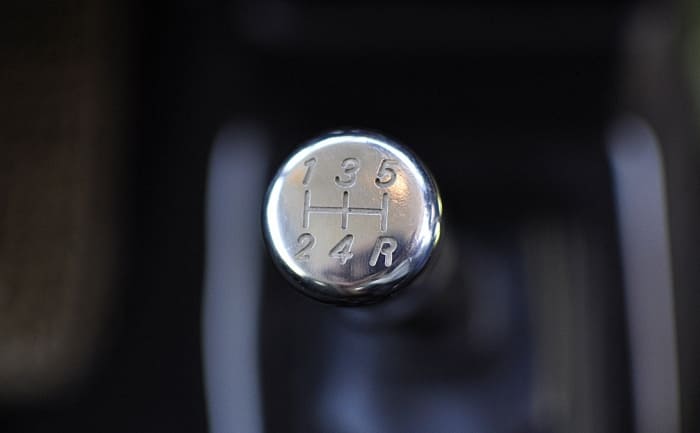
Les engrenages de moulinet sont comme des vélos
Avez-vous déjà fait du vélo avec des vitesses ?
Les vélos courants ont souvent 3 ou 5 vitesses. Vous pouvez passer de lent → normal → rapide.
Un « engrenage lent » (vitesse lente) vous fait à peine avancer en un coup de pédale.
Un « engrenage rapide » (vitesse rapide) vous fait parcourir une longue distance en un seul coup de pédale.
Quelles sont les caractéristiques d'un engrenage lent ?
Il ne vous fait pas avancer loin, mais vous pouvez pédaler avec très peu d'effort. Il est idéal pour commencer à rouler ou grimper des pentes raides.
Qu'en est-il d'un engrenage rapide ?
Il vous fait avancer loin en un seul coup, mais le pédalage initial est très lourd. Généralement, vous commencez en engrenage lent et passez en engrenage rapide une fois que vous avez pris de la vitesse.
L'engrenage lent d'un vélo correspond à l'engrenage normal (ou lent) d'un moulinet.
L'engrenage rapide d'un vélo correspond à l'engrenage rapide d'un moulinet.
Comment les moulinets à engrenage rapide améliorent la sensibilité
Quand la sensibilité du moulinet est-elle importante ?
La sensibilité du moulinet est principalement importante dans deux situations :
- Lorsque le leurre touche quelque chose : Par exemple, si une fine brindille d'algue s'accroche à l'hameçon, cela modifie le mouvement du leurre. Pouvez-vous sentir ce changement ?
- Changements dans le courant de l'eau : L'océan peut sembler uniforme, mais les courants de marée varient. Les courants de surface et de fond peuvent différer en intensité. Pouvez-vous sentir ces changements de courant ?
Pourquoi un rapport d'engrenage plus rapide améliore-t-il la sensibilité ?
Une faible puissance de remontée se traduit par de la "sensibilité"
L'avantage des engrenages lents ou normaux est leur forte puissance de remontée, ce qui les rend adaptés pour récupérer des montages lourds ou tirer des poissons.
Les moulinets à engrenage rapide ont une puissance de remontée plus faible par rapport aux engrenages plus lents. Plus l'engrenage est rapide, plus la puissance est faible.
C'est la même chose que le fait qu'une vitesse rapide de vélo soit lourde à pédaler au début. Vous pourriez penser : "Une faible puissance de remontée n'est-elle pas un inconvénient ?"
Cependant, pour les moulinets de pêche, ce n'est pas nécessairement un inconvénient. Cette faible puissance de remontée se manifeste par de la sensibilité.
Une faible puissance vous permet de sentir la résistance
Avec un moulinet à engrenage extra rapide, qui a une puissance de remontée inférieure, vous pouvez remarquer même une seule fine brindille d'algue accrochée à votre leurre. Vous le remarquez parce que la puissance de remontée est faible.
L'algue agit comme une résistance au mouvement du leurre. Lorsque vous utilisez un moulinet à engrenage rapide avec une faible puissance, vous percevez cette résistance comme une anomalie.
Pour le dire simplement : Parce que la puissance de remontée est faible, même une légère résistance rend la rotation de la manivelle lourde.
C'est la vraie nature de la "sensibilité".
Si vous faites du vélo à grande vitesse et que vous rencontrez une légère pente, le pédalage devient lourd. Vous remarquez la pente en raison de la charge accrue. En revanche, une vitesse lente et puissante vous permettrait de pédaler sans le remarquer.
Plus le rapport d'engrenage du moulinet est rapide, plus il est facile de détecter de légers changements de courant ou des débris, car ils se manifestent par une sensation de lourdeur lors du rembobinage.

Y a-t-il des inconvénients aux moulinets à engrenage rapide ?
Les moulinets à engrenage rapide récupèrent les leurres rapidement et transforment une faible puissance en sensibilité. Il semblerait qu'il n'y ait pas d'inconvénients.
Cependant, il y a un inconvénient : La lourdeur initiale du rembobinage.
Démarrer la rotation à partir d'un arrêt complet semble nettement plus lourd avec un moulinet à engrenage rapide. C'est exactement comme essayer de commencer à pédaler un vélo en vitesse rapide.
Contrairement aux vélos, les moulinets n'ont pas de mécanisme de changement de vitesse. Par conséquent, cette lourdeur initiale reste un inconvénient permanent des moulinets à engrenage rapide.
L'engrenage rapide est encore plus efficace pour la pêche lente !
C'est un fait moins connu : la sensibilité des engrenages rapides est en fait plus efficace lorsque l'on pêche à un rythme lent.
Moins d'inertie, c'est mieux
Une fois que la bobine ou le rotor commence à tourner, l'inertie prend le relais. Cette inertie facilite le mouvement de rotation, rendant la lourdeur du rembobinage presque imperceptible, à moins qu'il n'y ait une résistance.
Plus vous moulinez vite, plus l'inertie est forte. Par conséquent, mouliner vite rend plus difficile de remarquer de légères anomalies par rapport à un moulinet lent.
Les moulinets à engrenage rapide, qui s'appuient sur une faible puissance pour la sensibilité, sont les plus performants dans les styles de pêche lents où l'inertie est minimisée.
Moulinez les engrenages rapides lentement !
"Utiliser un moulinet à engrenage rapide pour déplacer un leurre lentement" peut sembler contradictoire. Certains vendeurs d'articles de pêche recommandent même des engrenages normaux pour la pêche lente.
Il est vrai que les engrenages rapides récupèrent plus de ligne par tour. Si vous tournez la manivelle à la même vitesse, le leurre se déplace plus vite qu'avec un engrenage normal. Par conséquent, vous devez tourner la manivelle plus lentement que vous ne le feriez avec un engrenage normal.
À quelle vitesse plus lentement ? Si vous moulinez à 80-90 % de la vitesse que vous utiliseriez avec un engrenage extra rapide, cela correspond à la vitesse du leurre d'un engrenage normal. Pour la plupart des pêcheurs, il ne s'agit que d'un ajustement mineur.

J'ai entendu dire que l'engrenage lent avait une meilleure sensibilité... ?
La perception varie
Quelqu'un m'a demandé un jour : "J'ai entendu dire que les engrenages lents avaient une meilleure sensibilité ?"
Ce n'est pas forcément faux, car la "sensibilité" est finalement une question de perception individuelle. Tout comme certaines personnes pourraient trouver qu'un vélo à vitesse lente est meilleur pour sentir de légères pentes en pédalant rapidement.
Cependant, pour la plupart des gens, le pédalage lourd d'une vitesse rapide permet de mieux sentir physiquement la présence d'une pente.
Définitions différentes de la sensibilité
Alternativement, ils pourraient définir la "sensibilité" différemment. Ceux qui disent "l'engrenage rapide est plus sensible" font référence à la capacité de sentir la résistance due à une faible puissance de remontée.
Si quelqu'un affirme que l'engrenage lent est plus sensible, il pourrait utiliser une logique complètement différente. Cependant, je n'ai pas encore entendu d'explication convaincante sur la façon dont l'engrenage lent offre une meilleure sensibilité dans ce contexte.
Quel engrenage choisir ?
Plus rapide, c'est généralement mieux
En ce qui concerne la sensibilité, plus l'engrenage est rapide, plus il est facile de ressentir les charges et la résistance comme une "lourdeur de remontée". Dans les styles de pêche comme la pêche au bar, où la "pêche au courant" est cruciale, un moulinet qui se sent facilement lourd est très avantageux.
Mais la lourdeur initiale du rembobinage est agaçante
D'un autre côté, dans la pêche au leurre — qui implique des lancers et des récupérations constants — une lourdeur initiale de rembobinage agaçante est un défaut fatal.
Choisissez un engrenage rapide où la lourdeur n'est pas gênante
Pour les débutants, la meilleure approche est de comparer différents rapports d'engrenage et de choisir un engrenage rapide (High Gear) où la lourdeur initiale du rembobinage ne vous dérange pas.
Si un Extra High Gear vous convient, choisissez-le. S'il semble trop lourd au démarrage, passez à un High Gear standard.

Tenez compte des leurres que vous utilisez
La résistance à l'eau des leurres entrave également la rotation du moulinet. Les leurres à forte résistance (comme les grands appâts à palette ou les vibrations métalliques) imposent une lourde charge à votre main de rembobinage. Gardez à l'esprit que la pêche réelle sera plus lourde que de simplement faire tourner un moulinet vide dans un magasin d'articles de pêche.
Conclusion : un engrenage rapide qui ne gêne pas est recommandé !
Le mécanisme du rapport d'engrenage d'un moulinet est le même que celui d'un vélo ou d'une voiture.
La vitesse rapide d'un vélo demande de la puissance pour pédaler, mais même une légère pente exerce une charge sur vos jambes, rendant la pente évidente.
De même, un moulinet à engrenage rapide demande de la force pour démarrer, mais même de légers changements se manifestent par une "lourdeur de rembobinage", ce qui les rend faciles à détecter.
C'est la vraie nature de la "sensibilité".
Puisque les moulinets ne peuvent pas changer de vitesse, choisissez le rapport d'engrenage le plus rapide disponible qui ne provoque pas de lourdeur initiale de rembobinage gênante pour votre préférence personnelle.